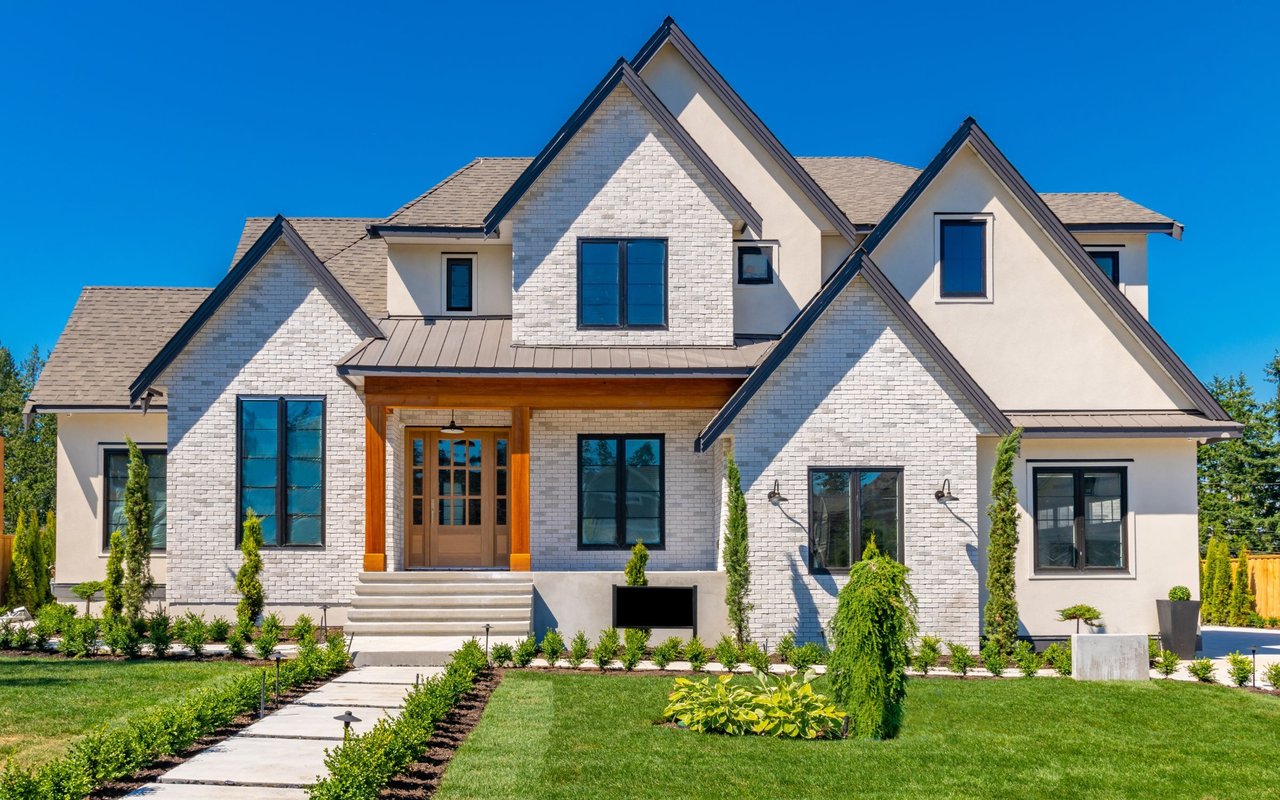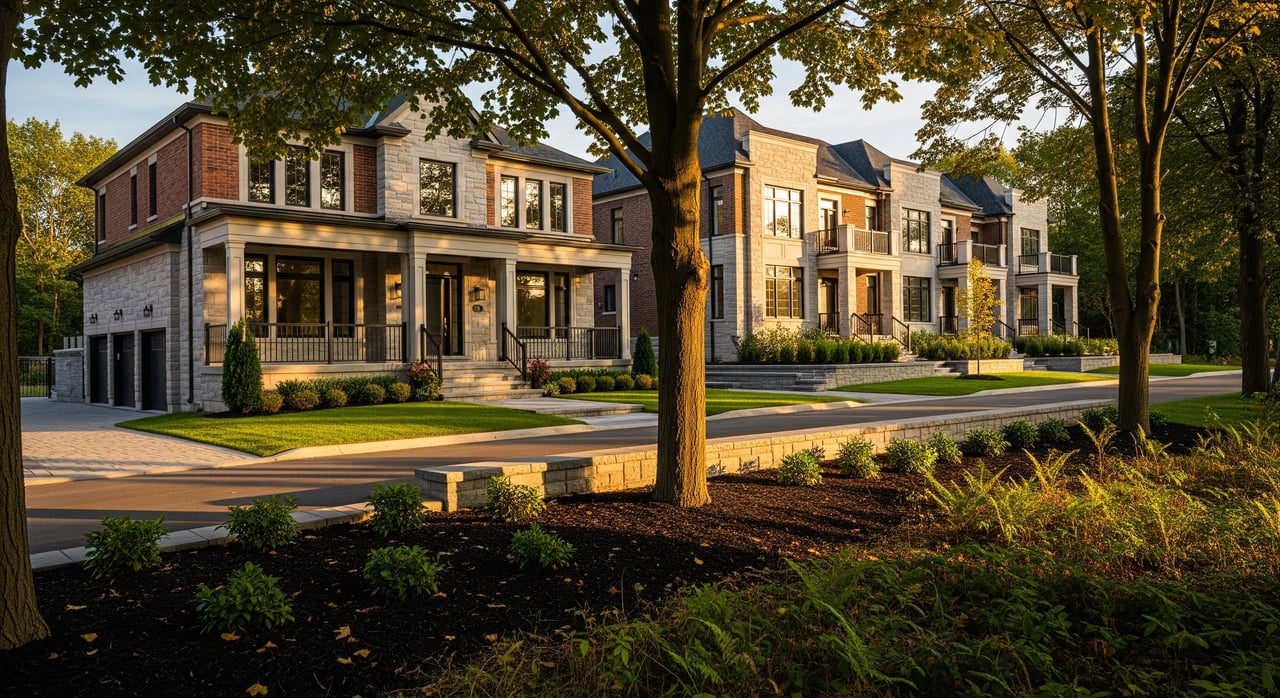
Wondering if a detached home or a townhouse is the smarter move for your family in Rouge Woods this spring? You are not alone. Budget, space, fees, schools, and resale potential all pull in different directions when the market gets busy. In this guide, you will learn the key differences, what to watch in monthly costs, how lifestyle trade-offs play out day to day, and how to use a simple worksheet to make a confident decision. Let’s dive in.
Prices and budget
For most buyers in the GTA, townhouses are the more affordable path into a family-sized home. Detached homes usually cost more upfront and often require a larger down payment. The exact gap depends on the year, the block, age, and condition of the home.
- Check current trends before you bid. Review the latest stats in the TRREB Market Watch and scan recent neighborhood comps on REALTOR.ca.
- Align price with financing. Your mortgage pre-approval and the OSFI stress test can be a bigger constraint than list price alone. A lower purchase price on a townhouse can mean less down payment for the same monthly target.
- Use price bands. Compare entry, mid, and premium options for both types. A townhouse at the same price as a small detached may have newer finishes but a smaller private lot.
Tip: Ask for a recent sold-data set for the blocks you prefer and make sure it includes both townhouses and detached homes in similar timeframes.
Space and lifestyle trade-offs
Lot and outdoor space
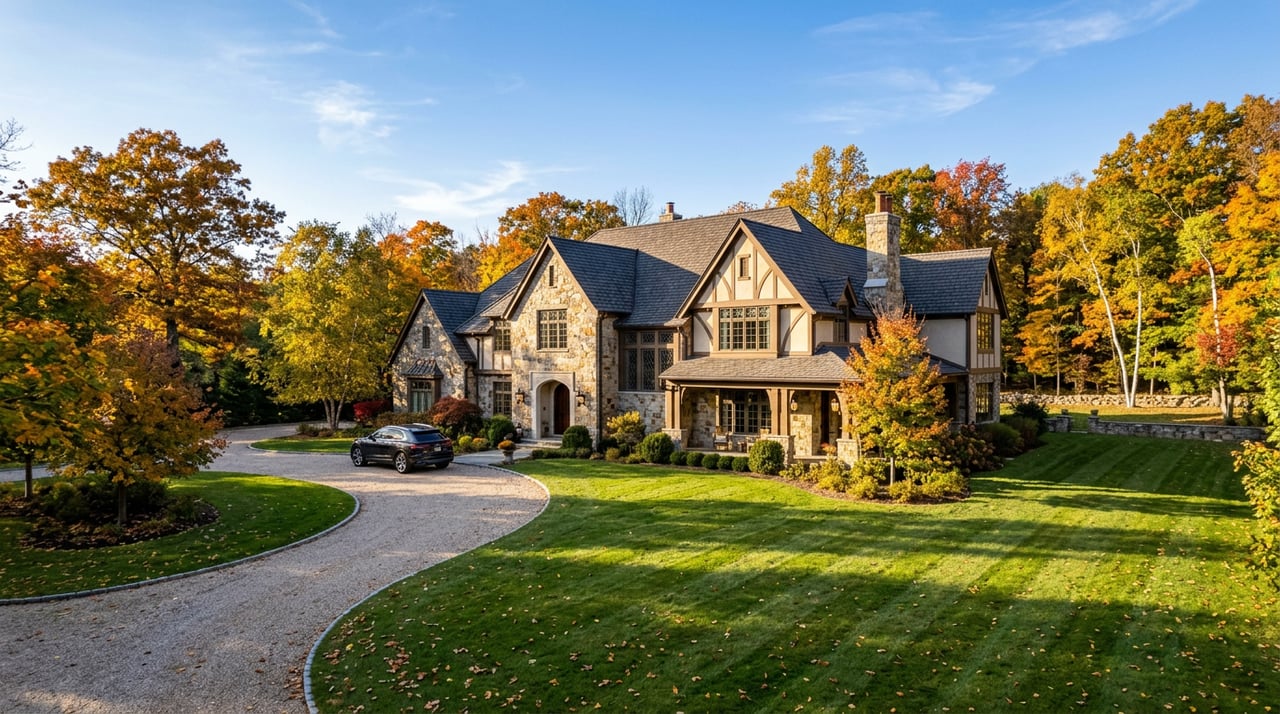
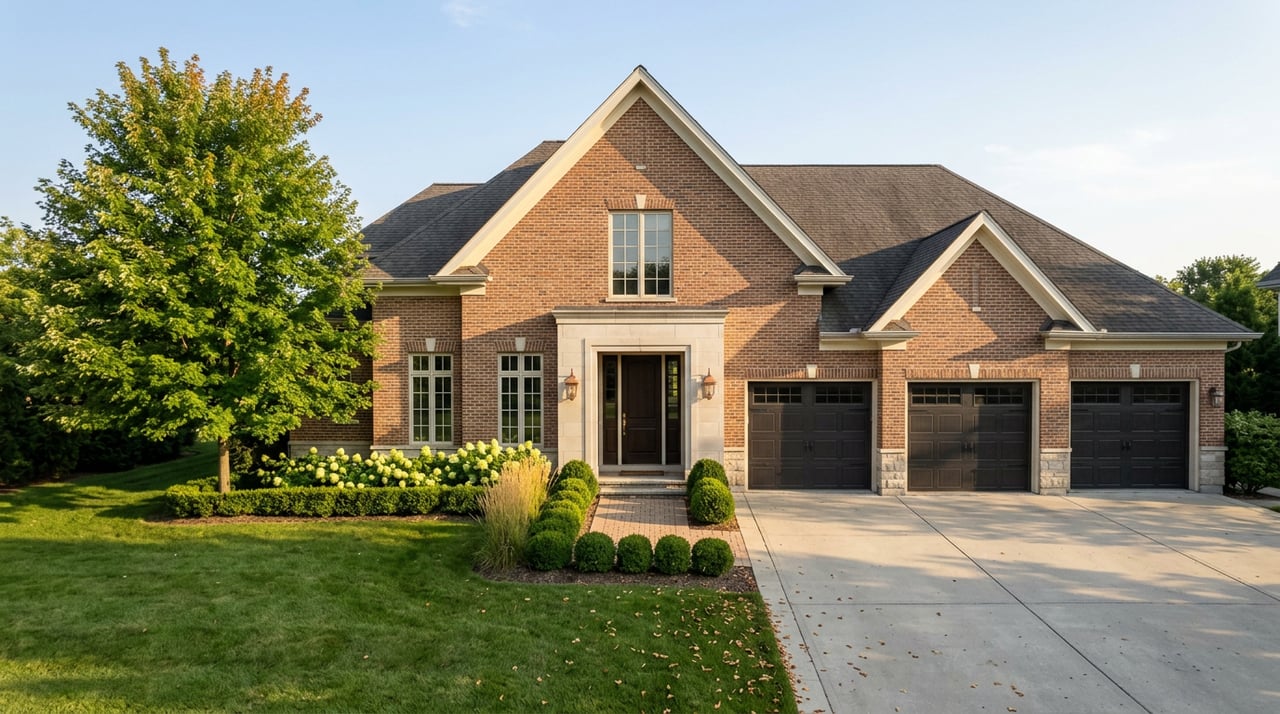
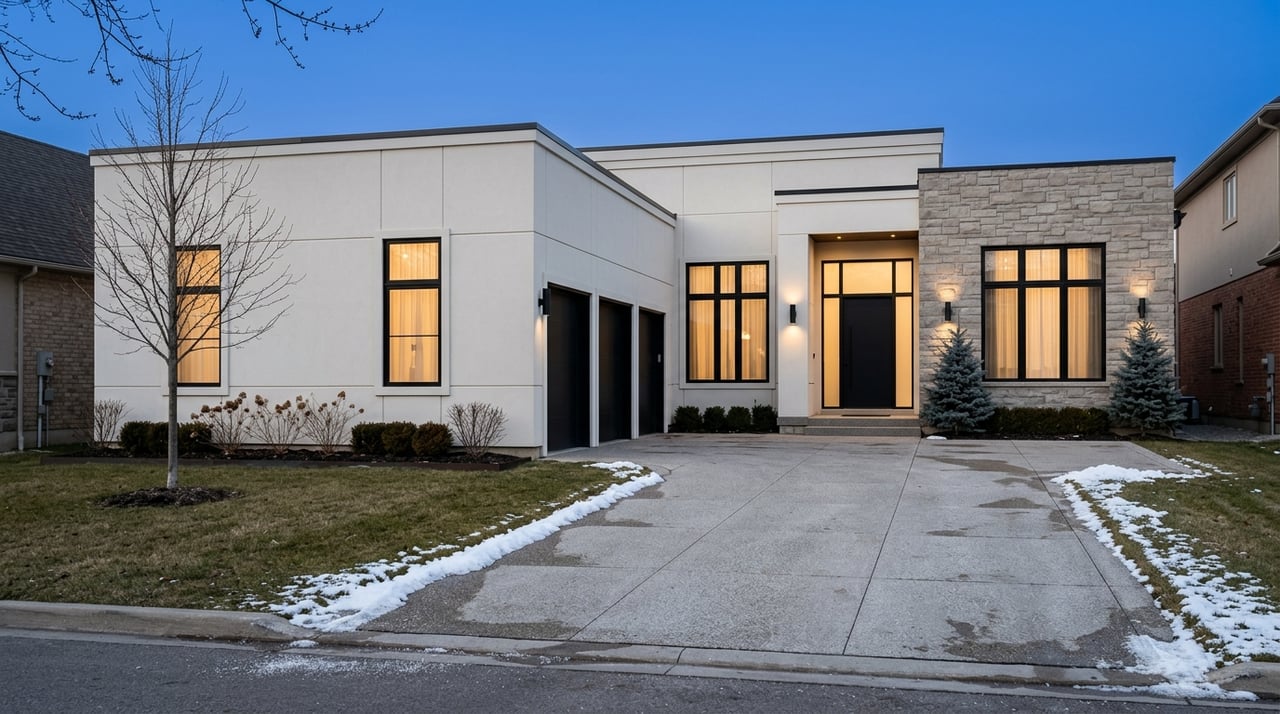
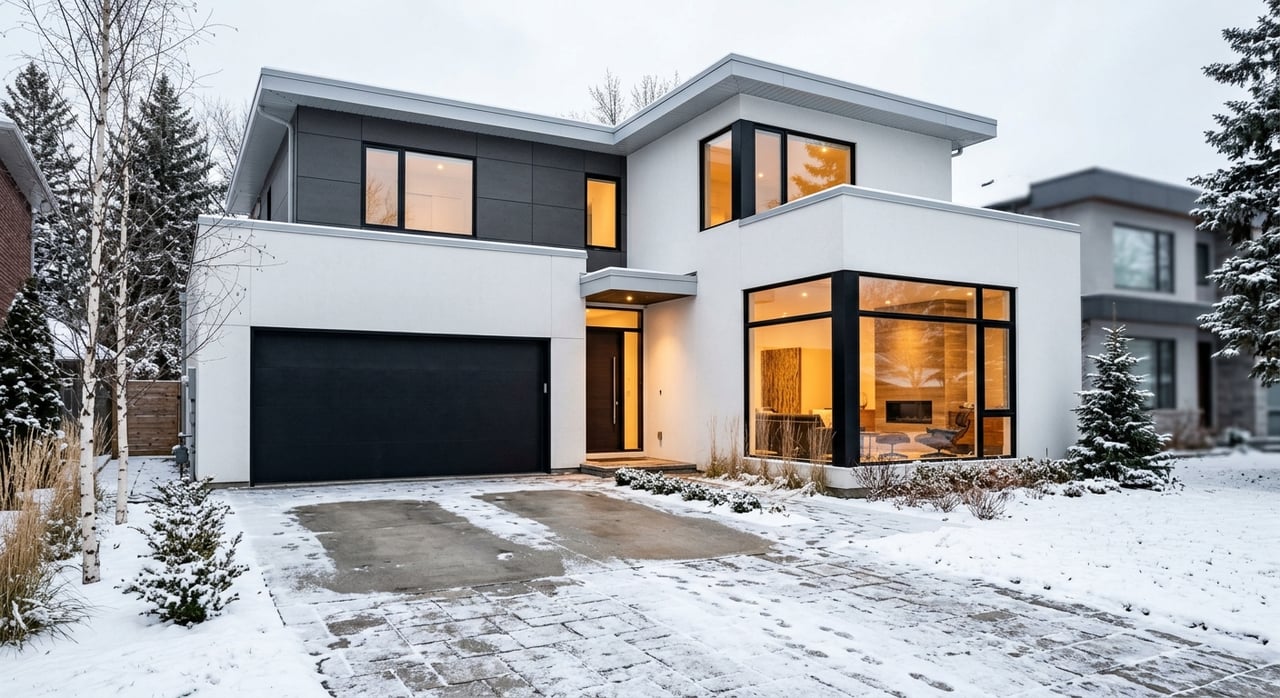
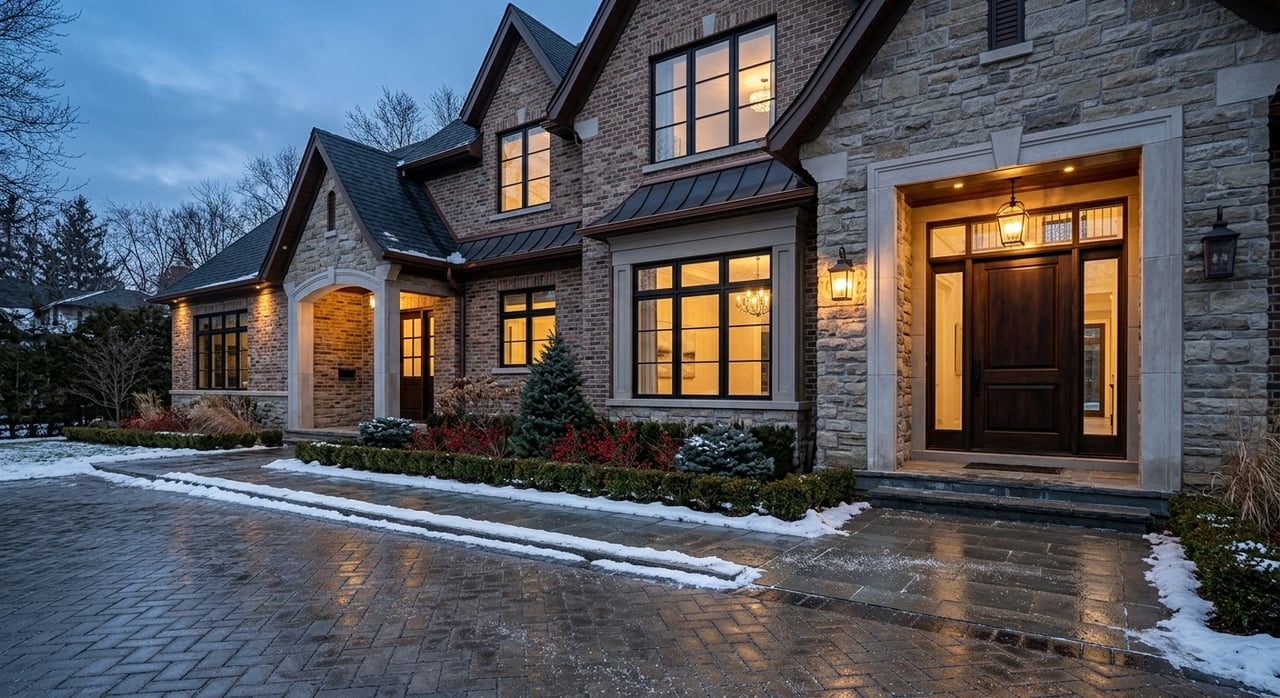
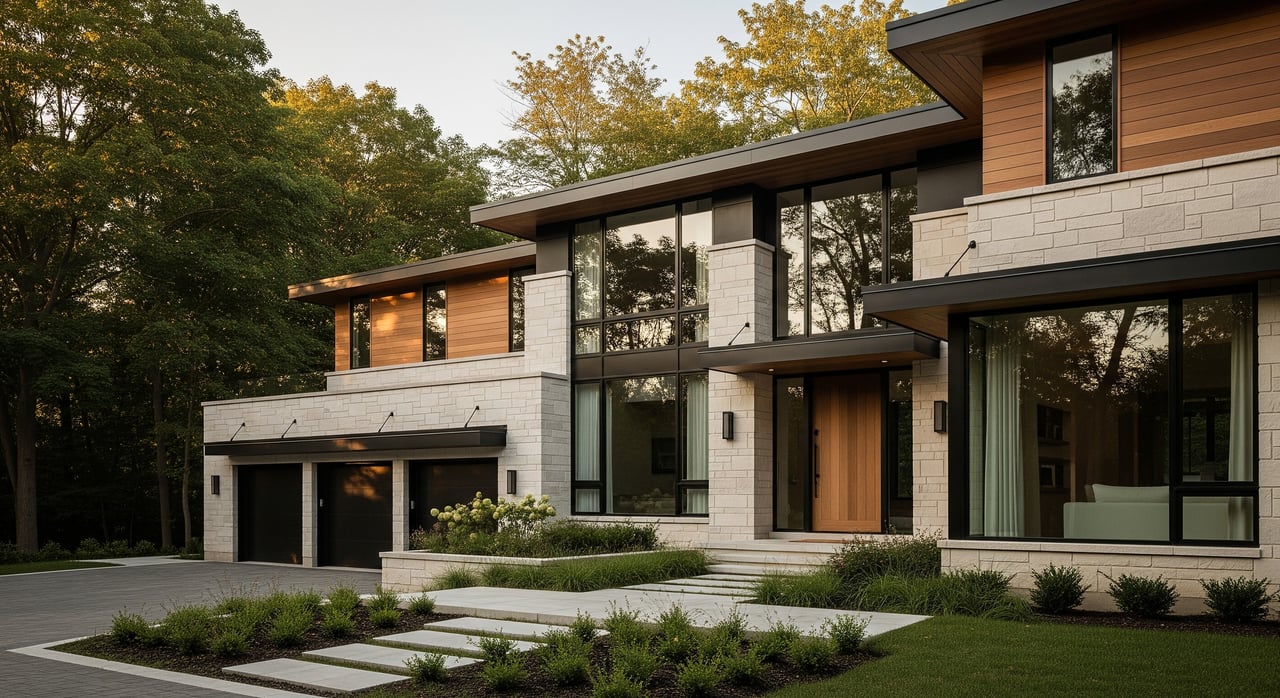
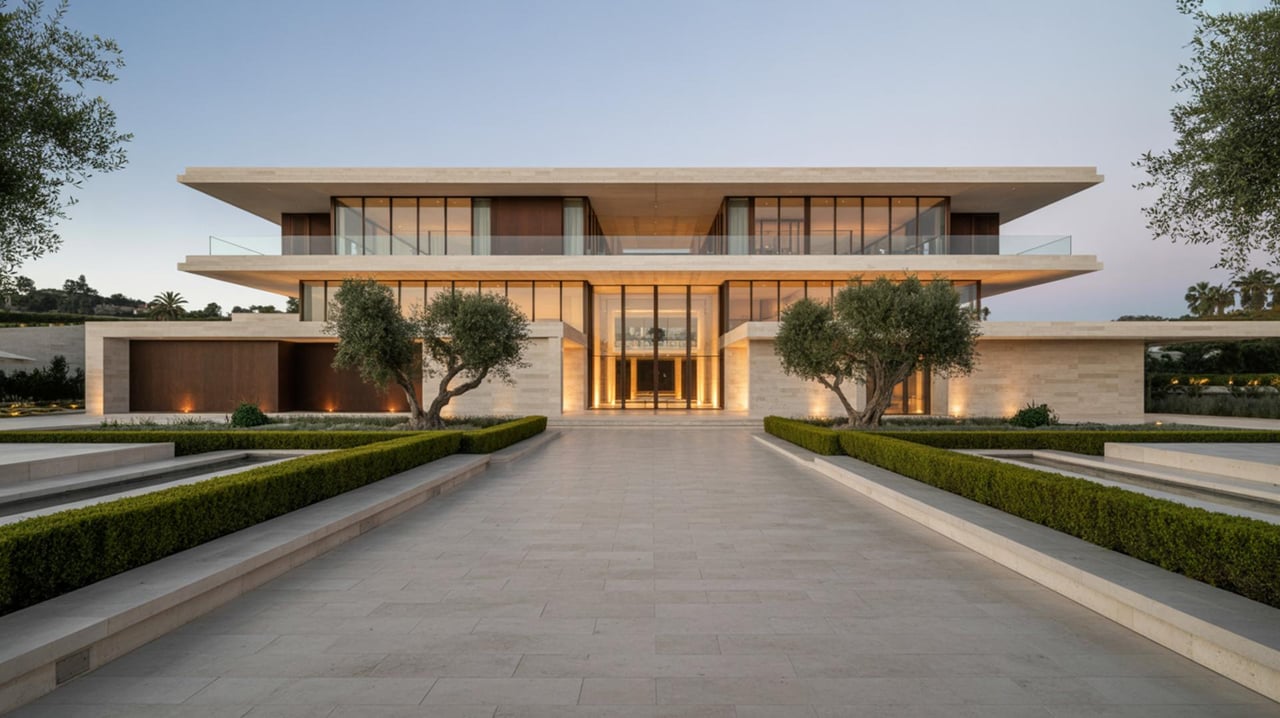
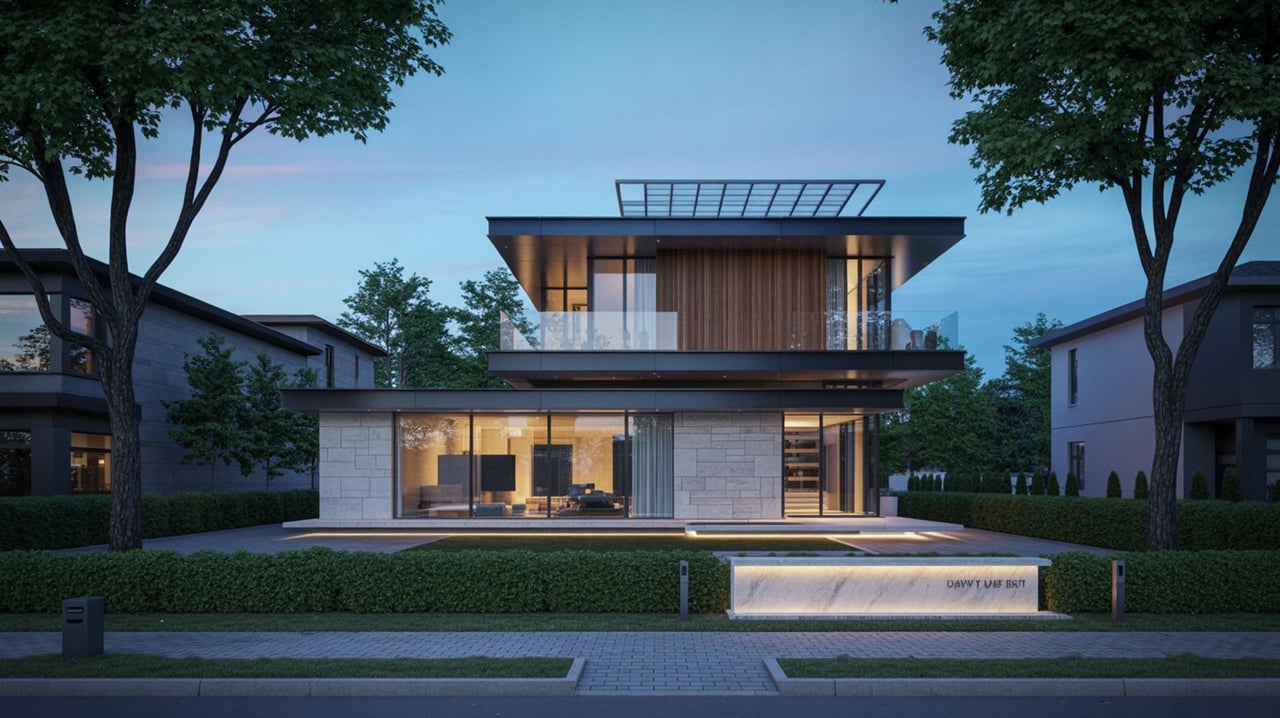
- Detached: Typically larger private yards in front and back, side-yard access, and potential for future landscaping or expansions, subject to local zoning and permits.
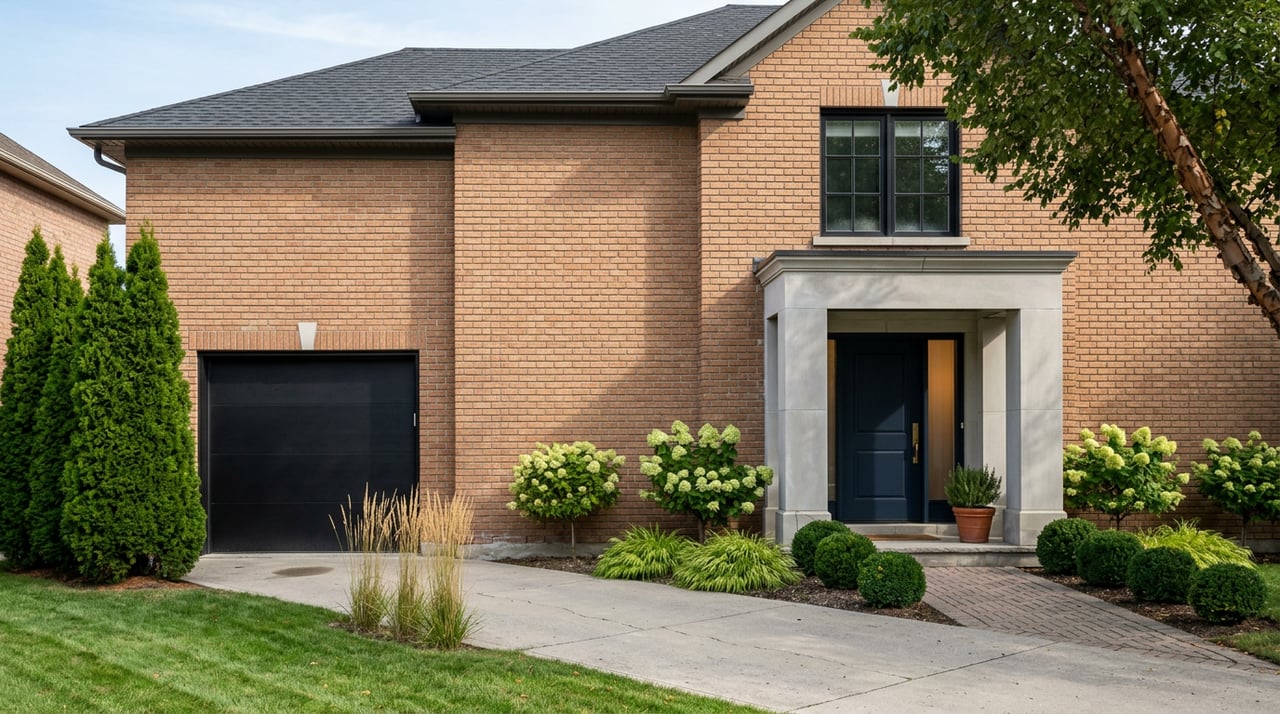
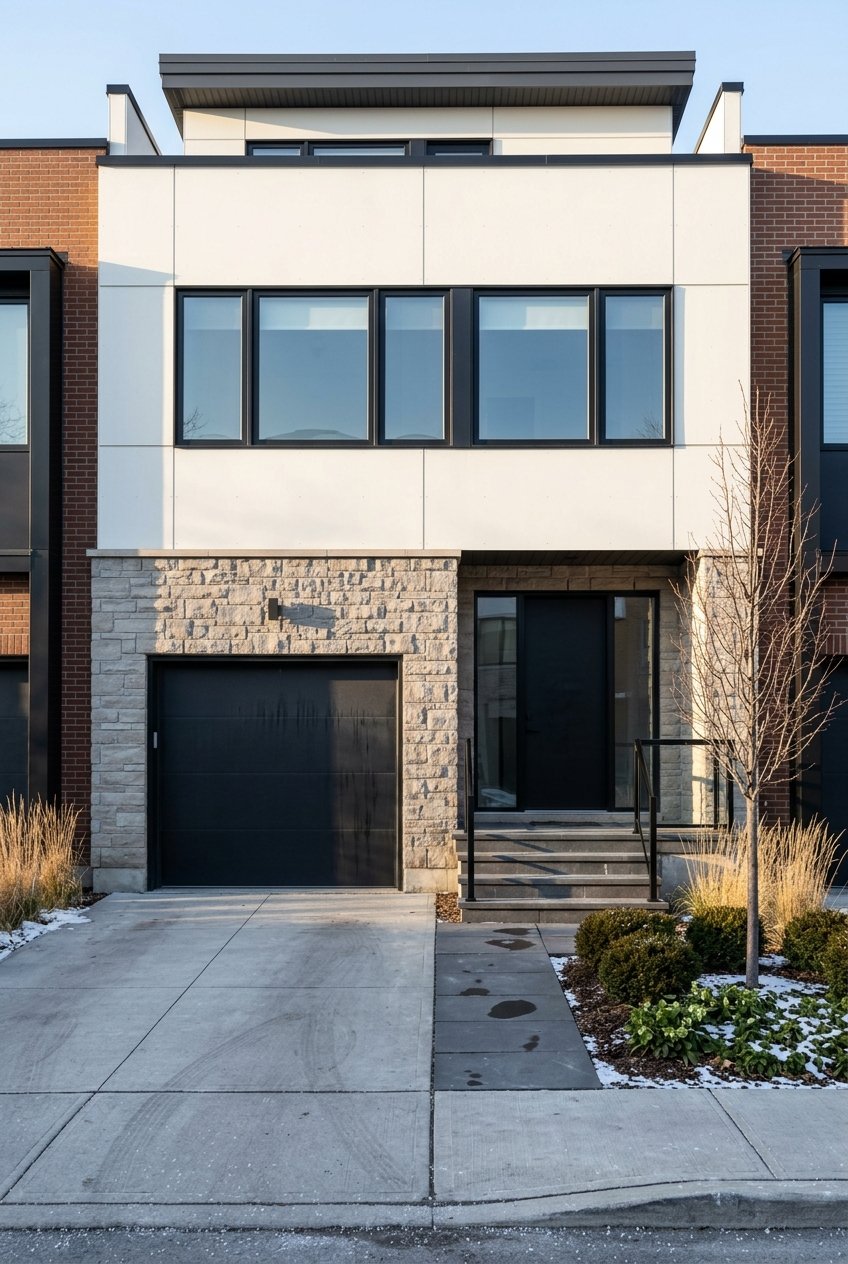
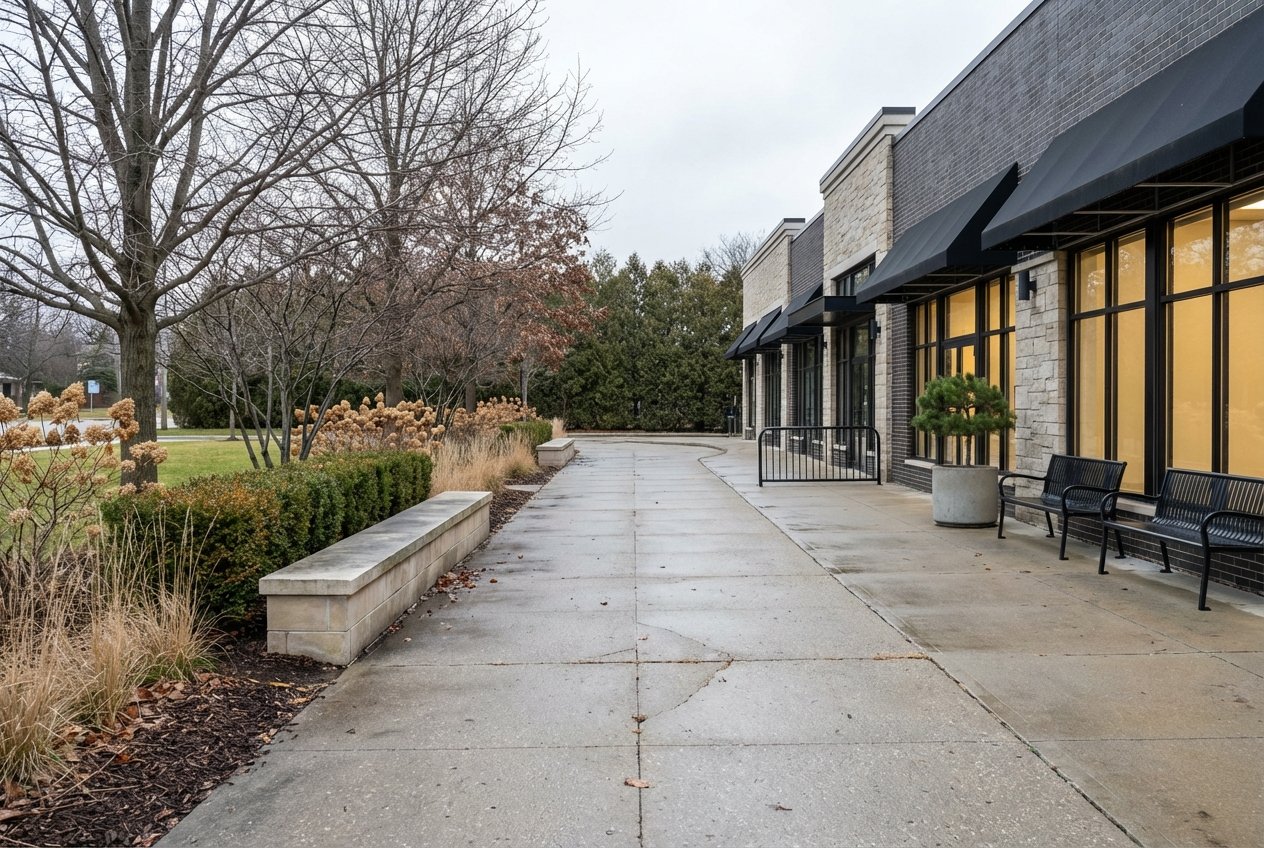
- Townhouse: Smaller private yards or shared areas. Some stacked towns have no private backyard. Row-form layouts often mean narrower side setbacks.
Interior layout and vertical space
- Detached: Wider floorplates and more flexible layouts. More windows on multiple sides can bring in natural light.
- Townhouse: Efficient vertical living across multiple storeys with smart bedroom counts for the footprint. Basement potential and ceiling heights vary by builder and age.
Parking and storage
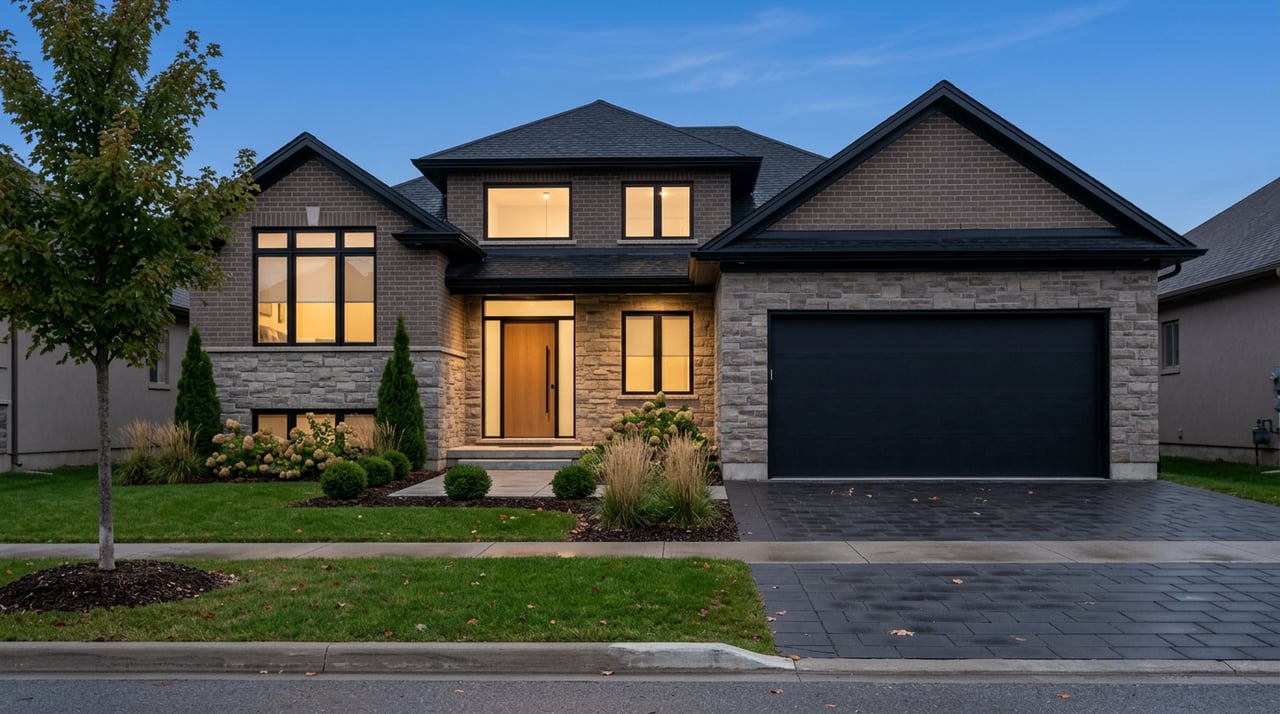
- Detached: Driveways and 1–2-car garages are common, plus room for sheds or outdoor storage.
- Townhouse: Parking may be limited to a small driveway or an underground/attached garage. Visitor parking can be controlled by the community.
Privacy and noise
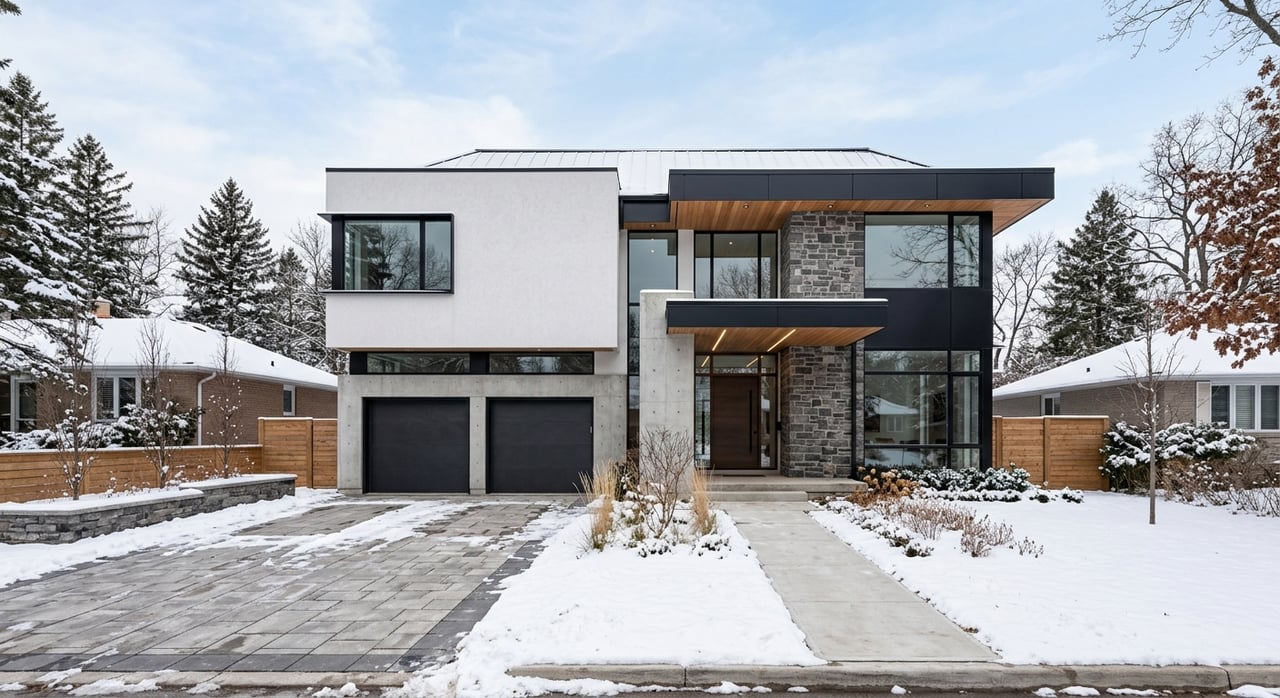
- Detached: More separation from neighbors, often better privacy and lower shared-wall noise.
- Townhouse: Shared walls can transmit sound. Quality of party walls and layout affects real-world noise.
Monthly costs and fees
Your monthly carrying costs can look very different even at the same purchase price. Build a full picture before you move forward.
Property taxes
Property taxes are based on MPAC’s assessed value and the local municipal tax rate. Detached homes often have higher assessed values, which can increase annual taxes. Confirm the applicable municipality because boundaries in and around Rouge Woods can cross into different jurisdictions.
- Learn how assessments work through MPAC.
- If the home is in the City of Toronto, review property tax rates.
- If it is in York Region municipalities like Richmond Hill, see local rates such as Richmond Hill’s tax rates.
Condo or common-element fees
Many townhouse communities are part of a condominium corporation or common-element setup with monthly fees. These can cover exterior maintenance, snow removal, landscaping, and sometimes utilities or amenities. Fees vary widely and depend on the reserve fund’s health.
- Read the condo rules and financials. Start with the Ontario Condo Authority’s status certificate guidance.
- Get clarity on what the fee covers and whether there are any planned increases.
Maintenance and capital costs
- Detached: You are responsible for the exterior, including roof, driveway, and yard. Budget for ongoing upkeep and periodic big-ticket items.
- Townhouse: Some exterior items are managed by the corporation, which reduces hands-on tasks but adds a monthly fee. Underfunded reserves can lead to special assessments.
Utilities and insurance
Detached homes generally cost more to heat and cool due to size and exposure. Insurance can also be higher because the replacement cost is typically larger. Townhouse owners still need robust interior and contents coverage, but the building envelope may be covered by the corporation policy in many setups. Confirm details in the condo declaration and with your insurer.
What to request before you buy
- For a townhouse in a condo corp: current monthly fee, breakdown of inclusions, the last two annual budgets, the most recent year-end reserve fund balance, minutes of recent board meetings, and a status certificate.
- For any property: recent property tax bill, 12 months of utility bills, roof and HVAC ages, and a professional home inspection report.
Family fit in Rouge Woods
Schools and childcare
If you have school-age children, confirm the assigned public school through the appropriate board’s lookup tool and review available program information. If the address falls in York Region, use the YRDSB school locator. For addresses in the City of Toronto, use the TDSB or TCDSB tools. Licensed childcare availability can vary by neighborhood, so call ahead and ask about waitlists.
Parks and everyday convenience
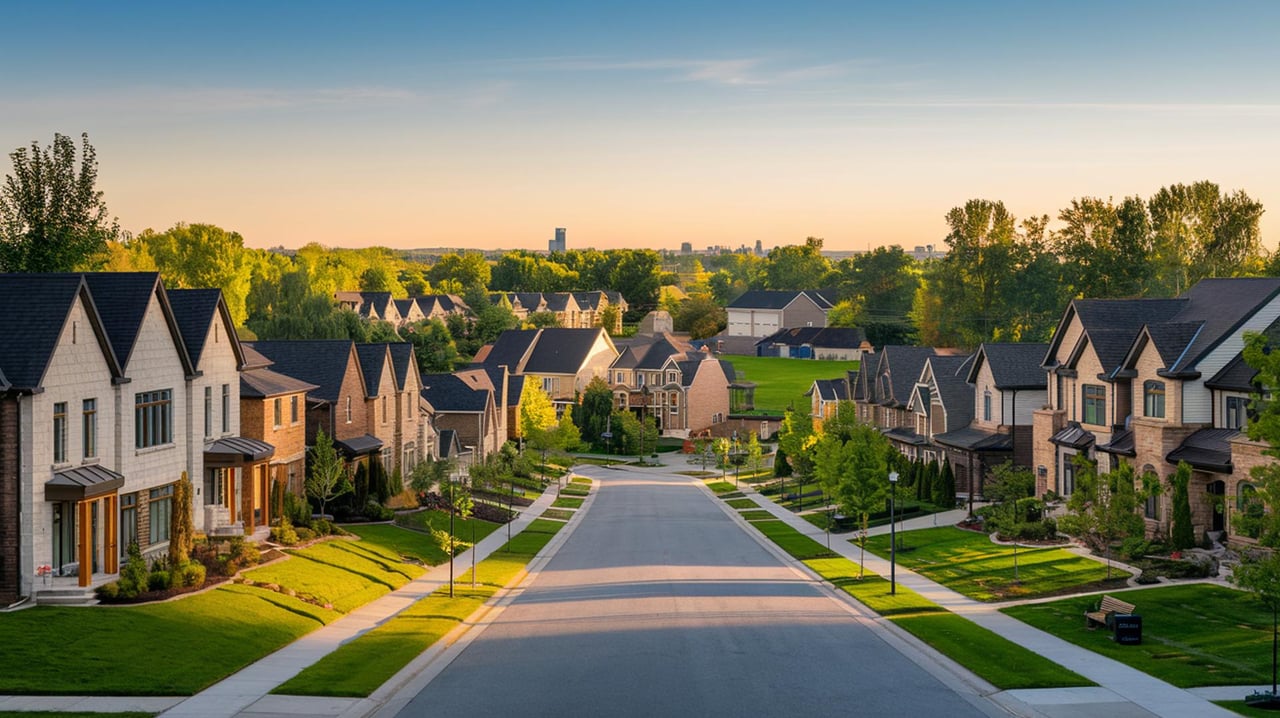
Access to greenspace is a major plus in this corridor. Families who value weekend hikes and after-school play time often prioritize proximity to trails. Explore what is on offer in and around the valley and nearby corridors through Rouge National Urban Park resources and local city park pages.
Commute and transit
Map your actual commute in both directions and at your typical hours. Check drive times to downtown, midtown, and nearby employment hubs. If you rely on transit, review routes and connections for TTC, GO Transit, and York Region Transit.
Safety and street feel
Walk the streets you are considering at different times of day. Look for sidewalks, crosswalks, traffic-calming measures on nearby arterials, and street lighting. Review publicly available crime maps for a neutral snapshot.
Resale potential and timing
Both detached homes and townhouses attract strong buyer pools in the Toronto region for different reasons.
- Detached demand is driven by private yards, flexibility to expand, and privacy. Limited supply of larger lots can maintain a premium.
- Townhouse demand is fueled by affordability and low exterior maintenance. Newer finishes can compete well against older detached stock, especially if the detached needs renovations.
Spring is usually an active listing season, which can increase visibility. It can also raise competition. Interest rate changes and lender rules can shift budgets quickly, so monitor rate announcements alongside listing volume.
Quick buyer worksheet
Use this printable checklist to compare one detached and one townhouse you like. Score must-haves at 3 points, important items at 2, nice-to-haves at 1, and not required at 0. Add the totals and see which home fits your life today.
Part A — Basic affordability
- Target monthly housing budget after taxes/utilities: _______
- Purchase price maximum: _______
- Planned down payment percent and amount: _______
- Mortgage pre-approval max monthly payment: _______
Part B — Essentials (score each)
Create columns for Property A (Detached) and Property B (Townhouse):
- Minimum bedrooms required: ______
- Minimum bathrooms required: ______
- Private yard of X sq ft or fenced yard (Y/N)
- Dedicated driveway/garage parking (Y/N)
- Within X minutes to school/childcare (Y/N + time)
- Walk or roll to park/trails under X minutes (Y/N + time)
- Monthly costs within budget (taxes + utilities + condo fees) (Y/N)
- Acceptable commute time to work (Y/N + time)
Part C — Future flexibility and risk (score each)
- Potential to add living space or do additions (Y/N)
- Investment or rental potential, subject to restrictions (Y/N)
- Recent major systems replaced (roof, furnace, windows) (Y/N)
- Condo reserve fund healthy and no special assessments expected (Y/N)
Part D — Final notes
- Noise or privacy concerns: ______
- Walkability and sidewalks: ______
- Overall neighborhood vibe: ______
Scoring tip: Use Part A affordability as a hard filter. Exclude any home that pushes monthly costs above your target.
Practical next steps
- Pull recent solds and neighborhood trends from the TRREB Market Watch and review active and recent listings on REALTOR.ca.
- Confirm assessments and learn how property taxes are set through MPAC, then verify the correct municipal tax rate based on the address, such as the City of Toronto’s property tax rates or Richmond Hill’s tax rates.
- For townhouses in condo corporations, read the CMHC condominium buyer’s guide and request a status certificate using the Ontario Condo Authority checklist.
- Confirm school catchment with the appropriate board, such as the YRDSB locator. Then verify daycare options and waitlists.
- Book a professional home inspection and review the expected remaining life of major systems.
Ready to compare specific addresses and run the numbers with confidence? Reach out to the team at Kevin Lin Realty for a tailored sold-data pack, a condo-document game plan, and a step-by-step path to a smooth spring purchase.
FAQs
What is the biggest cost difference between a detached home and a townhouse in Rouge Woods?
- Detached homes generally have higher purchase prices and property taxes, while townhouses often have lower purchase prices but add a monthly condo or common-element fee.
How do condo fees affect my budget compared with a detached home?
- Condo fees can simplify exterior maintenance but increase monthly carrying costs. Compare fees plus utilities and taxes against detached maintenance you would otherwise handle.
How can I verify the right school for an address near Rouge Woods?
- Use the school board’s catchment lookup tool for the specific municipality and confirm by phone with the board before you firm up an offer.
Do detached homes have better resale than townhouses?
- Detached homes attract buyers who want yards and privacy, while townhouses draw demand for affordability. Both can resell well when they offer good location, condition, and value.
What documents should I review before buying a townhouse?
- Ask for the status certificate, recent budgets, reserve fund balance, minutes of board meetings, and details on what the monthly fee covers. Pair this with a home inspection.