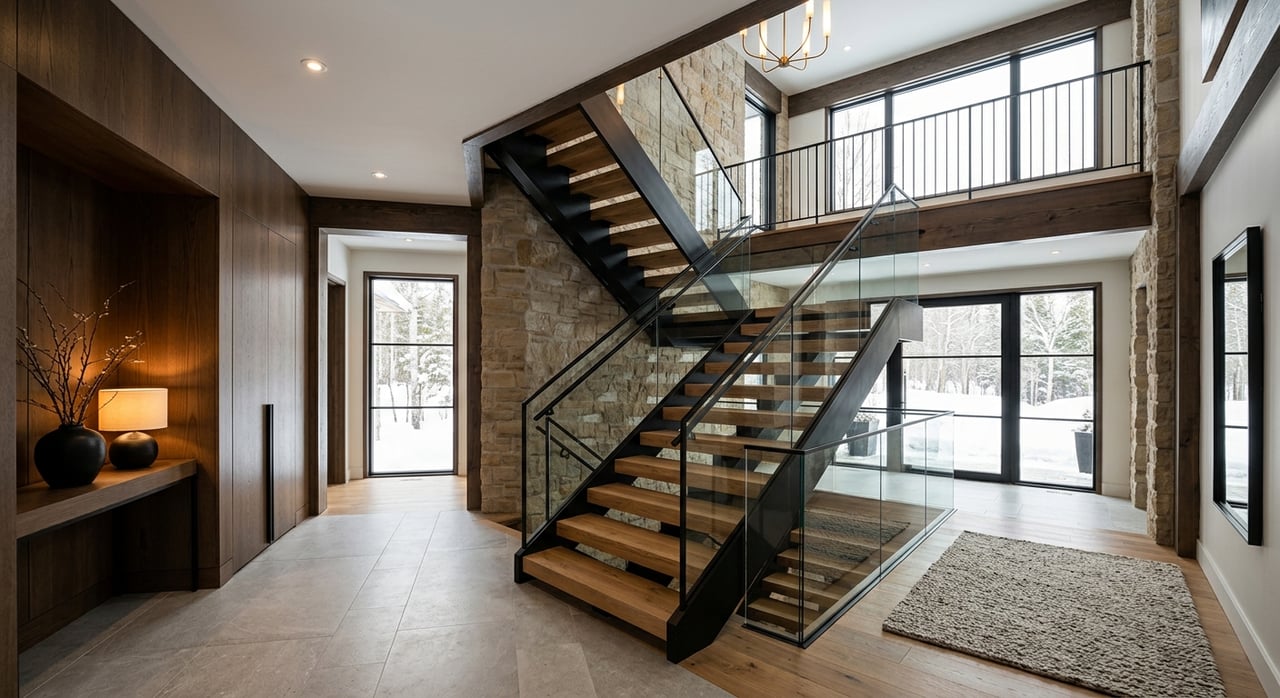
Thinking about selling your home in Mill Pond but not sure when to list? Timing can shape how many buyers see your property, how quickly it sells, and the price you achieve. If you feel torn between spring buzz and fall momentum, you are not alone. In this guide, you will learn how seasonality works in York Region, which months usually perform best in Mill Pond, and how to plan your timeline with confidence. Let’s dive in.
Seasonality in York Region at a glance
Housing activity in York Region follows a clear seasonal rhythm most years. Spring, roughly April through June, typically brings the highest number of new listings and sales, faster days on market, and stronger sale-to-list ratios. Early fall, especially September and October, is a solid second wave as buyers who paused over summer return. Late fall and winter often slow down as weather and holidays reduce showings, which can lengthen days on market and soften negotiation power.
Recent years have seen shifts due to interest rate changes and broader market dynamics. Some years amplify spring demand, while others spread activity more evenly. That is why it helps to ground your plan in the most recent 12 to 24 months of local MLS data for Mill Pond and nearby Newmarket neighborhoods.
What makes Mill Pond timing unique
Mill Pond sits within Newmarket in York Region, where buyer motivations often align with the school calendar and commuting needs. A few local factors can shape your best week to list:
Property type and buyer pool
Detached and semi-detached family homes often see peak demand in spring and early fall when families plan moves around the school year. Townhomes can follow a similar pattern, especially when they serve growing households. Condominiums, which attract a mix of first-time buyers and investors, can see steadier activity throughout the year.
Schools, parks, and lifestyle patterns
Proximity to parks and school catchments can enhance spring and early fall demand as families plan ahead for the next school year. Keep descriptions neutral and focus on proximity and features, not ratings or comparisons, when marketing your home.
Commuter access
Access to main routes and transit options can help attract buyers with job-driven timelines. These buyers may be slightly less seasonal, which can support activity beyond spring.
Inventory and nearby development
When inventory is tight, sellers gain leverage because buyers have fewer alternatives. If nearby areas introduce more new listings or new-build supply, you may face more competition in peak months. Tracking active and pending listings in the weeks before you go live can inform pricing and staging decisions.
Weather and showability
Curb appeal matters. Spring and early fall show off landscaping and natural light, which can boost first impressions. Winter showings can still work, but snow, cold, and shorter days may reduce traffic and require more aggressive pricing and marketing.
Best listing windows for Mill Pond
You can sell successfully in any season with the right strategy. That said, most Mill Pond sellers who want to maximize exposure and price should consider the following windows:
Primary window: late April to mid-June
- Pros: Highest buyer traffic, shorter days on market in typical years, and strong curb appeal.
- Cons: More competing listings. Smart pricing, standout staging, and targeted marketing can help you win attention.
Secondary window: early September to October
- Pros: Buyers who delayed spring plans return with focus. Inventory can be lighter than spring, which helps well-presented listings.
- Cons: Shorter runway before winter and variable weather.
Situational windows
- Summer (late June to August): Useful if you prefer a July or August closing so families can settle before school starts. Activity can soften in the hottest weeks, though late summer sometimes benefits from lower competing inventory.
- Winter (November to March): Generally the slowest. It can still work if you price competitively, your home is unique, or you are targeting a local or investor-driven pool. Plan for longer market exposure and focused marketing.
Pick the week and day with intent
Once you select your month, choosing the week and day can give you a small but meaningful edge. In active seasons, a mid-week launch can build momentum into the weekend. Aim to finalize photos, floor plans, and marketing materials before going live so you can capture attention right away.
Work backward from your ideal closing date
If you need to close by a specific date, start there and work backward. In an active season, many sales take 4 to 8 weeks from list to firm. After that, closings often range from about 30 to 90 days depending on financing timelines and conditions. Add 2 to 6 weeks for preparation, including decluttering, repairs, staging, and professional photos.
A practical 3 to 6 month plan
Use this step-by-step approach to be market ready without stress.
If you plan to list in about 3 months
- Weeks 1 to 2: Request a neighborhood-level comparative market analysis for Mill Pond, confirm the precise municipal and MLS boundaries, and discuss pricing and timing strategy. Order any needed pre-list inspections or condo documents.
- Weeks 2 to 4: Complete recommended repairs, declutter, and book professional photography. Schedule a staging consultation to plan furniture, lighting, and accessories.
- Weeks 4 to 6: Finalize your list price and marketing plan. Choose your launch week and aim for a mid-week go live to maximize early visibility.
- Weeks 6 to 12: Host showings and open houses, track buyer feedback, and negotiate offers. Expect 2 to 8 weeks from list to firm in active seasons. Adjust expectations if listing in winter.
If you plan to list in about 6 months
- Use the extra time for higher-impact improvements that can lift your sale price, such as a light kitchen refresh, landscaping, or paint.
- Monitor local inventory and sales monthly. Fine-tune your list month based on what you see as spring or fall approaches.
Verify your timing with local data
Because neighborhood-level activity can change quickly, ask for recent Mill Pond data before you finalize a launch date. Focus on the last 24 to 36 months if possible, and compare spring and fall performance. Here are the key metrics to review:
- Monthly new listings and units sold
- Median and average sale price by month
- Median days on market and time to firm sale
- Months of inventory and active listings
- Sale-to-list price ratio
- Price per square foot, if available
- Property type breakdowns for detached, semi, townhome, and condo
When you analyze this data, look for consistent monthly patterns across more than one year. Small neighborhoods can have limited monthly sales, so a single outlier month can skew results. If the data is thin, compare several months at a time or include nearby Newmarket areas with similar property types to stabilize the picture.
How property type shapes timing and strategy
Detached and semi-detached homes
These properties tend to attract family buyers who plan around the school calendar. Spring and early fall often provide the strongest pool of ready-to-act buyers. Highlight outdoor spaces and curb appeal in spring, and present practical, move-in timelines in fall.
Townhomes
Townhomes can show strong demand in spring and early fall as well, especially for move-up buyers who value space and community amenities. Staging that emphasizes flexible rooms and storage can help differentiate your home when inventory is higher.
Condominiums
Condos can be more evenly active throughout the year, as investors and first-time buyers often drive demand. Clear financial details, building information, and professional listing materials help buyers act quickly in any season.
Pricing and presentation in each season
- Spring: Competition is higher, so aim to be the best-presented home in your segment. Fresh landscaping, touch-up paint, and polished staging can pay off.
- Summer: Focus on quick possession options for buyers targeting August closings. Keep the property cool and welcoming for showings.
- Early fall: Emphasize move-in timelines that align with work and school schedules. Lean on updated data to set a precise price.
- Winter: Invest in strong marketing, warm lighting, and flexible showing windows. Pricing needs to reflect the smaller buyer pool.
A simple prep checklist
- Confirm municipal boundary and MLS neighborhood name for Mill Pond.
- Request a recent Mill Pond CMA with 12 to 36 months of monthly trends.
- Decide your target closing month, then count backward to set a list date.
- Book staging and photography early so you can launch mid-week.
- Tackle high-ROI fixes: paint, lighting, hardware, and landscaping refresh.
- Monitor competing listings weekly to fine-tune price and timing.
The bottom line for Mill Pond sellers
Most Mill Pond homeowners who want maximum exposure and price should target late April through mid-June, with early September to October as a strong alternative. If a summer or winter sale suits your timeline better, adjust pricing and marketing to match the buyer pool in that season. The smartest move is to pair seasonality with up-to-date neighborhood data so you pick not just the right month, but the best week to list.
If you want hands-on guidance, strategic staging, and a data-backed pricing plan tailored to your property type and timeline, reach out to the local specialists who manage every detail. Start with a complimentary valuation and a Mill Pond CMA from Kevin Lin Realty.
FAQs
What is the best month to sell a home in Mill Pond?
- There is rarely a guaranteed single month, but April to June typically shows the strongest buyer activity and shorter days on market in York Region. Confirm the current leader using the last 12 to 24 months of Mill Pond MLS data.
Should I sell in winter if I need a fast closing?
- You can sell in winter, but expect fewer buyers and longer time on market. Pricing more competitively and investing in focused marketing can help, while spring generally increases your odds of a faster sale at a stronger price.
How does the school year affect selling timing in Mill Pond?
- Many families aim to close in July or August so they can settle before September. Listing in spring positions you to capture this window and negotiate timelines that meet buyer needs.
Will rising interest rates change the right time to list?
- Rate changes affect buyer power more than seasonality. If rates rise, listing during a seasonally strong period like spring can help you attract more competing buyers. Always pair timing with current neighborhood data.
How far in advance should I prepare my home for sale?
- Plan for 2 to 6 weeks for decluttering, minor repairs, staging, and photos. If you have larger updates or documentation to arrange, allow 3 to 8 weeks and build in time to choose the best week to go live.