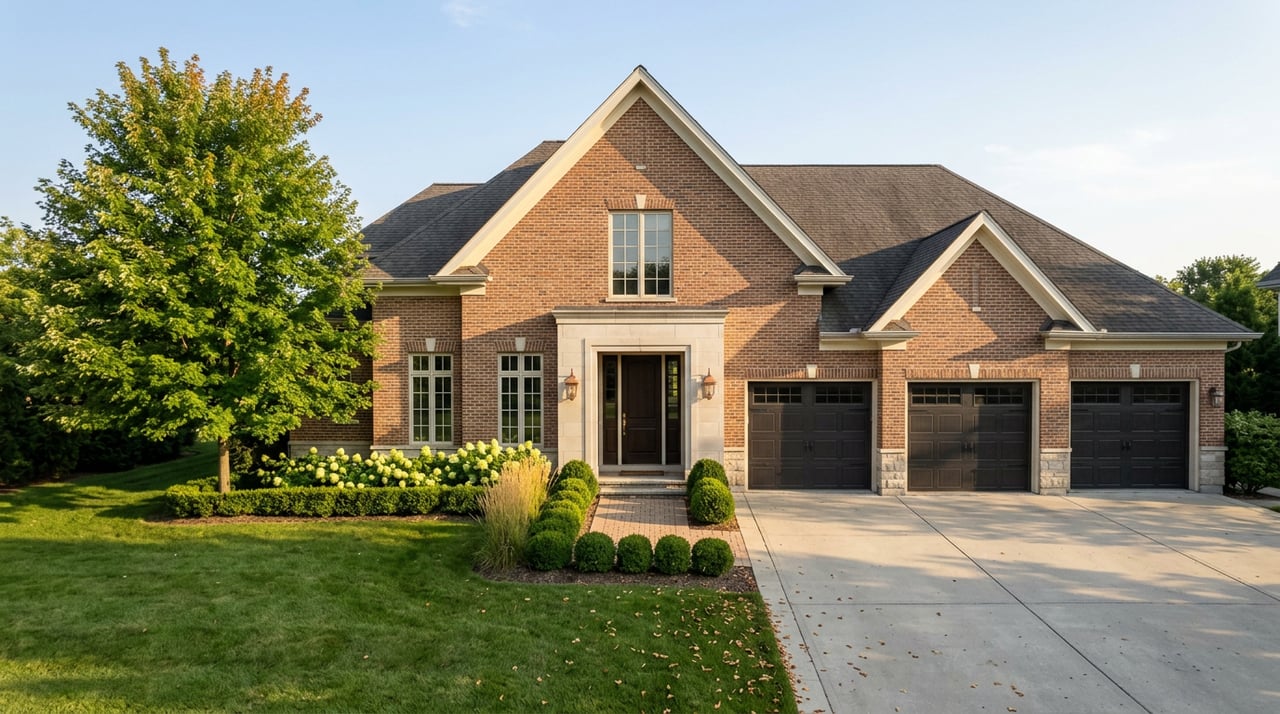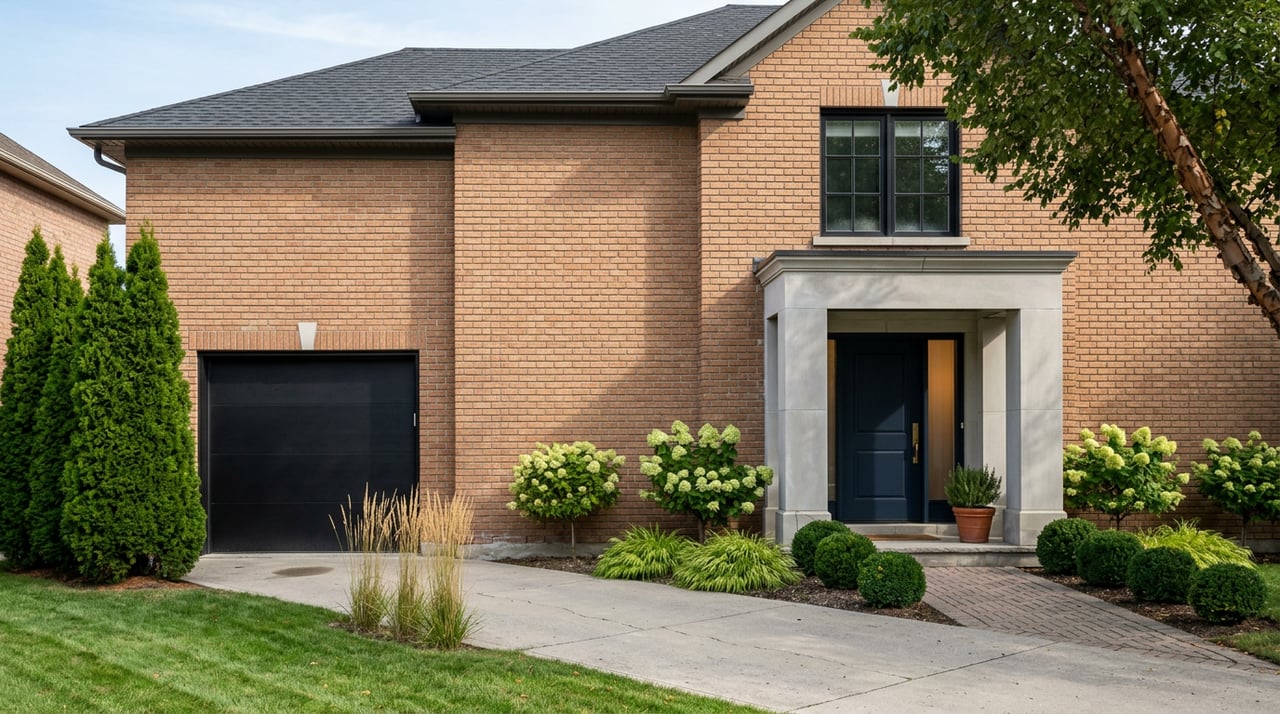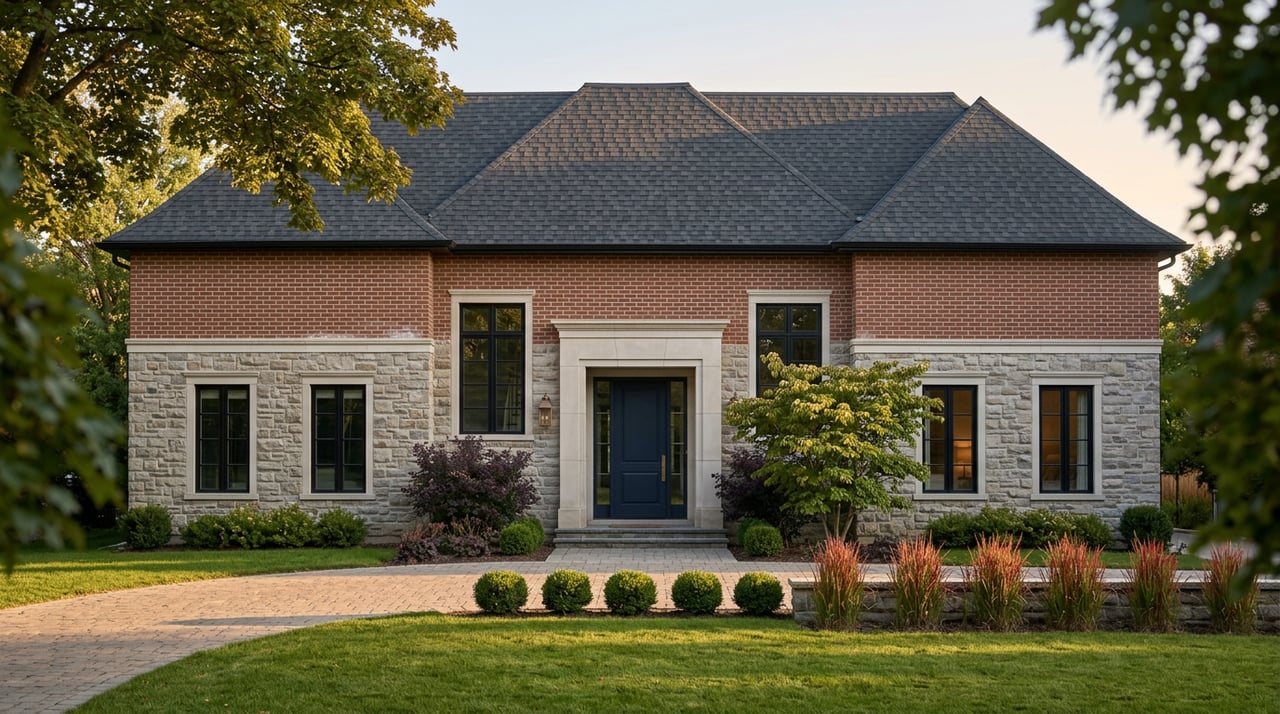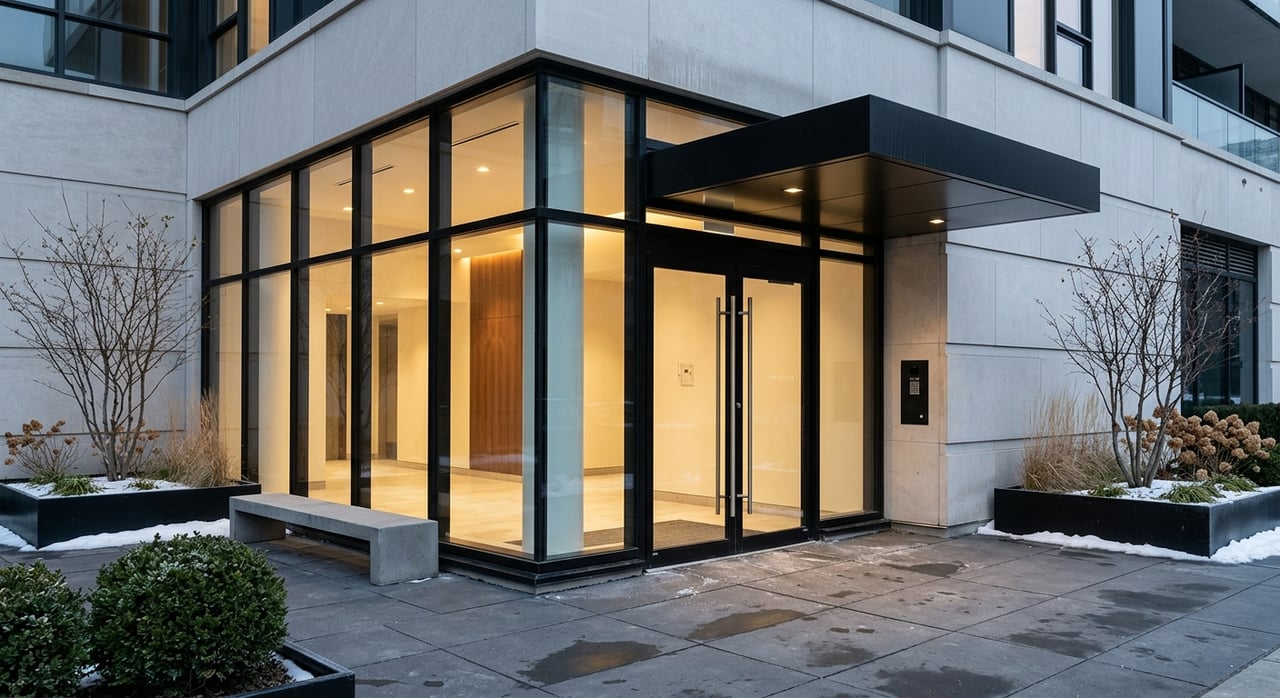
Buying a home in Canada from overseas can feel exciting and complicated at the same time. If you are looking at Maple homes, you are likely weighing more than just price and layout. You also need to understand federal rules, Ontario taxes, financing options, and how to buy with confidence when you are not physically here. This guide will walk you through the key facts that matter in Maple, Vaughan, so you can plan your next step with more clarity. Let’s dive in.
Why Maple draws international buyers
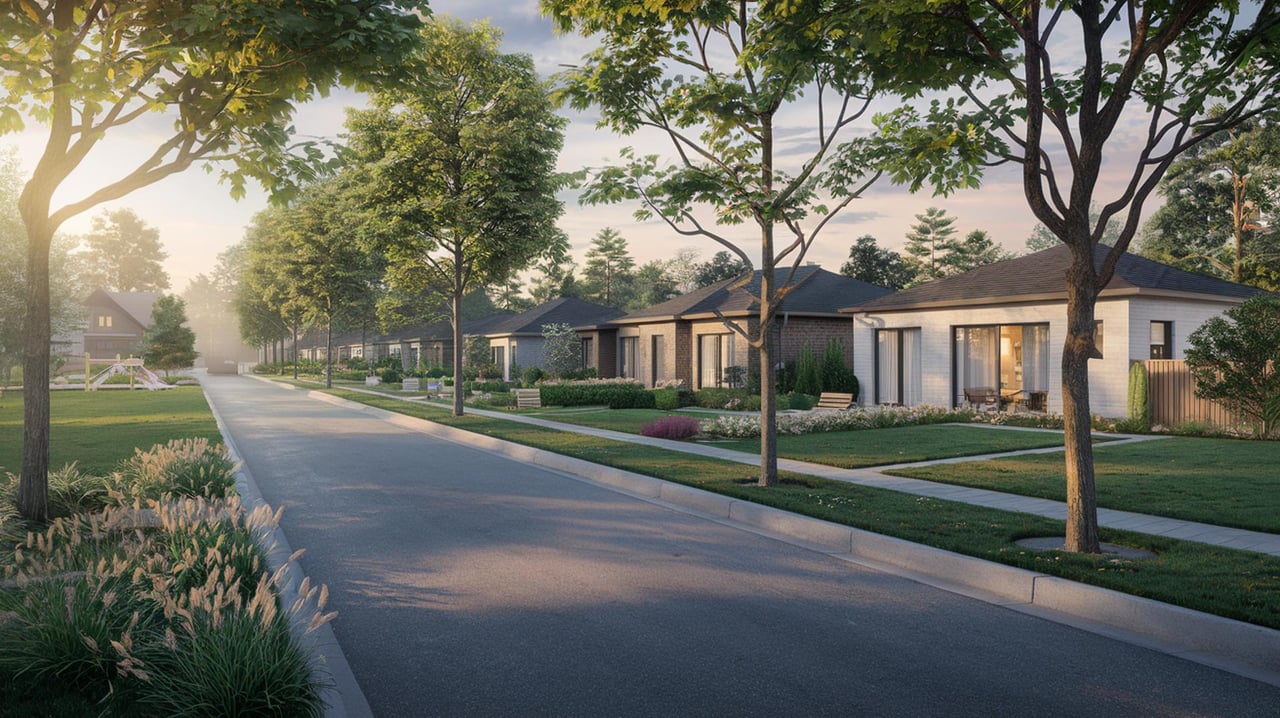
Maple is a community in Vaughan with a strong mix of everyday amenities and regional transit access. That combination often matters to buyers who want a home for personal use and to investors thinking long term.
The area offers well-known local amenities like the Maple Community Centre, which includes activity rooms, indoor arenas, a fitness centre, an indoor track, a swimming pool, and a bowling alley. Buyers also look at outdoor space, and North Maple Regional Park adds to the area’s appeal as Vaughan continues planning for future growth in North Maple.
Transit is another major part of Maple’s story. Maple GO Station offers free customer parking and York Region Transit connections, and current infrastructure work is intended to support more frequent two-way, all-day service on the Barrie Line. For buyers who value commuter access or want to stay focused on station-area growth, that is useful context.
Can international buyers purchase in Maple?
This is the first question you should answer before you look at listings too closely. In many cases, the answer is not a simple yes.
According to the federal government, the current ban on foreign ownership of Canadian housing has been extended to January 1, 2027. The law generally prohibits non-Canadians from buying residential property directly or indirectly, but some exceptions apply for certain temporary residents, protected persons, and some buyers purchasing with a Canadian citizen or permanent resident spouse or common-law partner. You can review the federal update on the foreign ownership ban.
That means your eligibility depends on your legal status and the exact structure of the purchase. Ontario tax rules are separate, so qualifying under one rule does not automatically exempt you from another.
Buyers who may still qualify
Some buyers may still be able to purchase despite the federal restrictions. Based on the federal and CMHC guidance, this can include:
- Permanent residents
- Some non-permanent residents who are legally authorized to work in Canada
- Certain buyers who fall within a federal exception
- Some buyers purchasing with a Canadian citizen or permanent resident spouse or common-law partner, where permitted
Because these rules are specific and important, it is wise to confirm your status before making plans or transferring funds.
Understand Ontario taxes and buyer costs
If you are eligible to buy, your next step is to understand the added costs. For international and newcomer buyers, this is where budgeting can change quickly.
Ontario’s Non-Resident Speculation Tax is 25% and applies across the province to purchases of residential property by foreign nationals, foreign corporations, and taxable trustees. Ontario also states that the federal prohibition and NRST operate separately.
You should also plan for Ontario land transfer tax, which applies to all conveyances of land in the province. If you are a first-time buyer, the Ontario first-time homebuyer refund can be worth up to $4,000, but it is generally limited to Canadian citizens and permanent residents, with some buyers able to qualify after becoming eligible within 18 months.
Cost categories to plan for
Before you make an offer, budget for:
- Purchase price
- Ontario land transfer tax
- NRST, if it applies to you
- Legal fees and closing costs
- Inspection costs
- Condo-related costs, if you are buying a condominium
If you are buying a new home or pre-construction condo, there are also extra consumer-protection points to know.
What to know about new homes and pre-construction
If you are considering a new home or pre-construction condo in or near Maple, Ontario has clear rules meant to protect buyers. These are especially important when you are purchasing from abroad and relying on documents more than in-person visits.
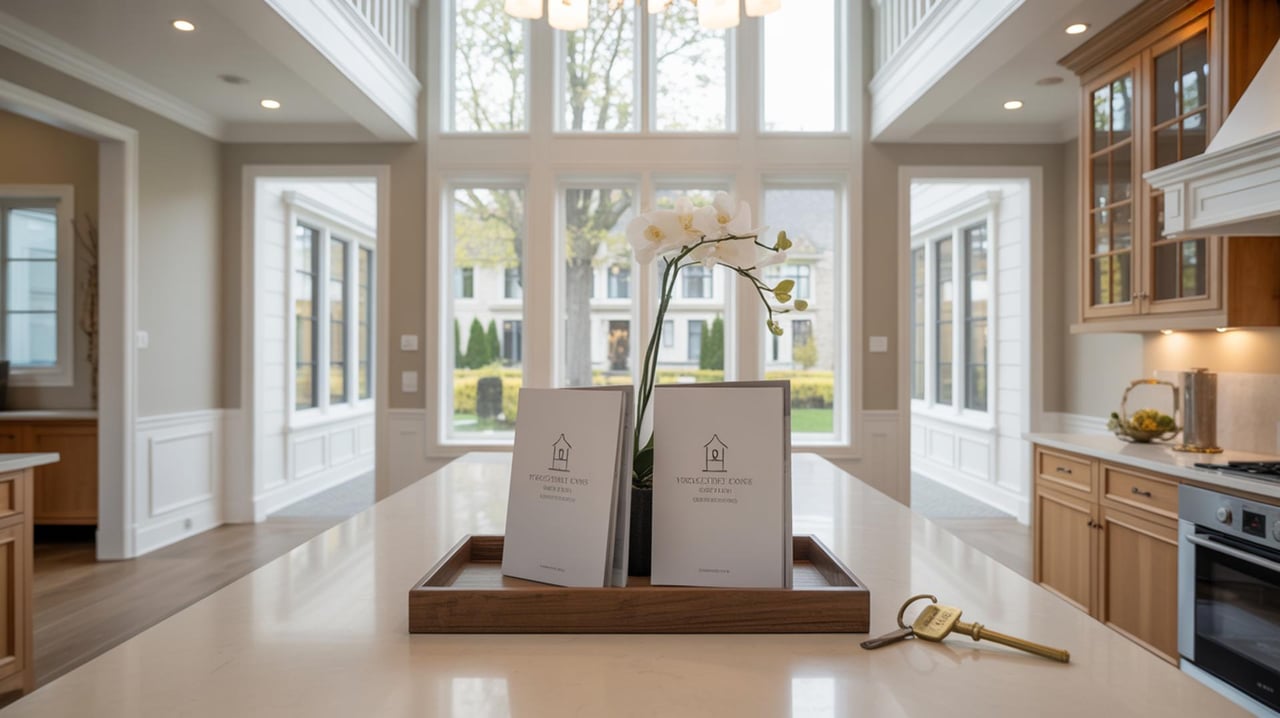
Ontario says builders must be licensed by the Home Construction Regulatory Authority, and new homes must be enrolled with Tarion. For pre-construction condos, buyers receive a 10-day cooling-off period after the signed agreement, disclosure statement, and Residential Condominium Buyers’ Guide are delivered. You can review these protections in Ontario’s guide on what to know before buying a home.
That cooling-off period can be valuable if you need time to review documents carefully with your lawyer and advisor team.
Can newcomers get financing?
Financing is often possible, but it depends on your residency status, work authorization, lender criteria, and the federal rules above. This is one of the biggest reasons to speak with a qualified lender early.
CMHC states that newcomers with permanent resident status can access all homeowner mortgage insurance products. CMHC also says non-permanent residents may qualify if they are legally authorized to work in Canada and the purchase is not prohibited by the federal Act. In cases where Canadian credit history is limited, CMHC may consider international credit reports or a letter from a financial institution in your home country. You can review the details in CMHC’s information for newcomer homeownership programs.
Financing preparation tips
If you are buying from outside Canada, it helps to prepare:
- Proof of status in Canada, if applicable
- Income and employment documents
- Available down payment funds
- International credit records, if requested
- Banking reference letters, if requested by the lender
A clear financing file can save time once you find the right home.
How to buy a Maple home from abroad
A remote purchase needs a structured process. The goal is to reduce surprises and make each decision based on verified information.
CMHC’s home buying guide frames the process around planning your budget and financing, finding the right home, making an offer, and closing the deal. It also encourages buyers to work with realtors, lawyers, and lenders.
For overseas buyers, a practical approach is to combine virtual tours, careful document review, and local professional support.
Build the right team
Start with professionals who can support a cross-border transaction:
- A registered Ontario real estate agent
- A real estate lawyer
- A lender or mortgage specialist
- A home inspector
- A property manager, if you plan to rent the property out
You can verify whether an agent is registered through the Real Estate Council of Ontario, which is an important consumer-protection step.
Request the right information remotely
If you cannot view a home in person, ask for as much clear information as possible before you offer. A strong remote-review package may include:
- Live virtual walkthroughs
- Recorded video tours
- Floor plans or measurements
- Condo documents, if relevant
- A detailed inspection report
This kind of workflow aligns with CMHC’s buying process and Ontario’s guidance on inspections.
Do not skip the inspection
Ontario says a home inspection is a visual review of major systems, not a pass or fail test. The province also recommends that buyers attend when possible, ask for a written report, compare quotes from more than one inspector, and choose someone with relevant experience. Ontario also notes that inspectors are not currently required by law to carry insurance coverage. You can read more in Ontario’s guide on buying a home.
Even if you are overseas, an independent local inspection gives you a better picture of the property’s condition before closing.
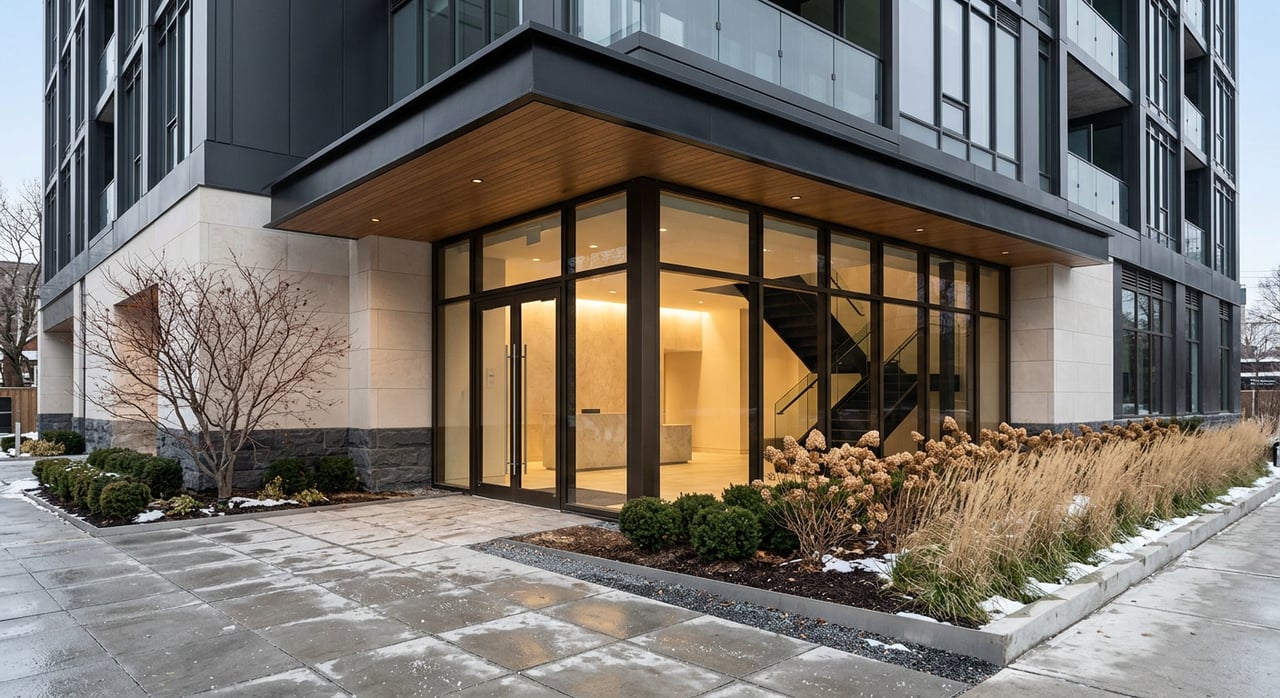
Special checks for condo buyers
Condos can be attractive to international buyers because they may offer a lower-maintenance ownership model. Still, condo ownership comes with rules that you should review carefully before you commit.
Ontario advises buyers to review condo fees, by-laws, rules, and restrictions before buying. The province’s condo guide notes that restrictions can cover matters such as pets and noise. If you expect to rent the unit later, those documents matter even more.
Review these condo items
Before buying a condo in Maple, confirm:
- Monthly condo fees
- Building by-laws and rules
- Any restrictions that may affect occupancy or use
- Whether the building’s rules fit your long-term plans
This is especially important for buyers who are purchasing for family use first and rental flexibility later.
Planning for rental or long-distance ownership
If you are buying Maple real estate as an investment or will not live in the property year-round, your planning should continue past closing. Good ownership management starts before possession.
Ontario’s Residential Tenancies Act guidance applies to most private residential rental units, including apartments, condos, and secondary units such as basement apartments. The province also requires the standard lease for most new private residential tenancies signed on or after April 30, 2018.
Ontario also provides a guide to the standard lease, and it is available in multiple languages. That can be helpful if you are organizing documents from abroad or helping family members understand the lease process clearly.
Set up your local support early
If you plan to hold the property from a distance, it helps to line up:
- A local property manager
- A real estate lawyer
- Reliable maintenance contacts
- A clear plan for lease documentation and tenant communication
This kind of preparation can make long-distance ownership much smoother and help you stay aligned with Ontario tenancy rules and any condo restrictions.
Why local guidance matters in Maple
Maple is not just a pin on a map. It is part of a wider Vaughan market shaped by transit access, community amenities, and ongoing planning. For international buyers, local guidance can help you connect the legal and financial side of the purchase with the practical side of owning in the area.
If you are comparing detached homes, townhomes, and condos, you also need someone who can help you evaluate use case, carrying costs, and the fit between your status, timeline, and long-term goals. That is where a high-touch, detail-focused process can make a real difference.
Whether you are buying for family relocation, a future move, or investment, working with a team that understands York Region and cross-border transactions can help reduce risk and save time. If you want tailored help navigating Maple and the broader Vaughan market, connect with Kevin Lin Realty.
FAQs
Can a non-Canadian buy a home in Maple, Ontario?
- Generally, non-Canadians are restricted by the federal foreign ownership ban until January 1, 2027, unless they qualify for a specific exception.
Does Ontario charge extra tax to foreign buyers in Maple?
- Yes, Ontario’s Non-Resident Speculation Tax is 25% for qualifying residential purchases by foreign nationals, foreign corporations, and taxable trustees.
Can a permanent resident or work permit holder get a mortgage in Ontario?
- Often yes, depending on legal status, lender requirements, and whether the purchase is allowed under the federal rules.
What should an overseas buyer request before offering on a Maple home?
- Ask for virtual walkthroughs, floor plans or measurements, relevant condo documents, and an independent local inspection report.
What should a Maple condo buyer review before purchasing?
- Review condo fees, by-laws, rules, and restrictions carefully because they can affect how you use or lease the property.
What should an absentee owner know after closing on a Maple property?
- You should understand Ontario tenancy rules, use the standard lease where required, and confirm any condo leasing restrictions before renting the property.