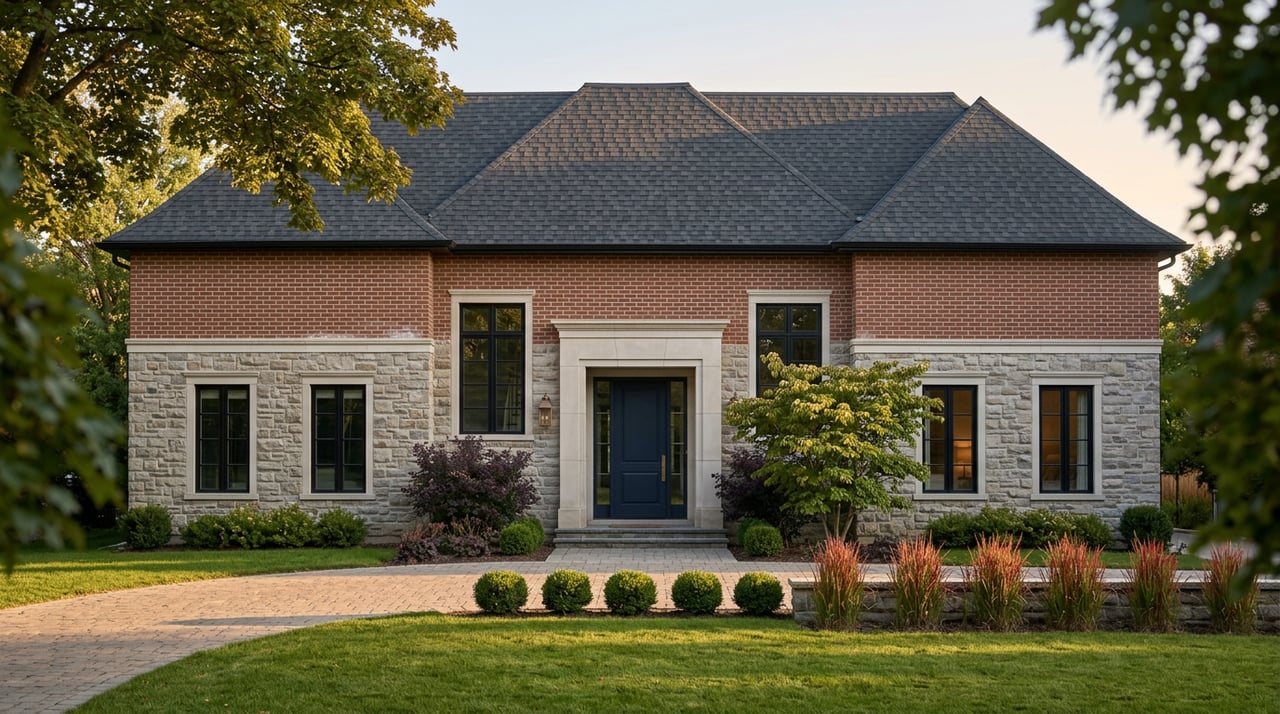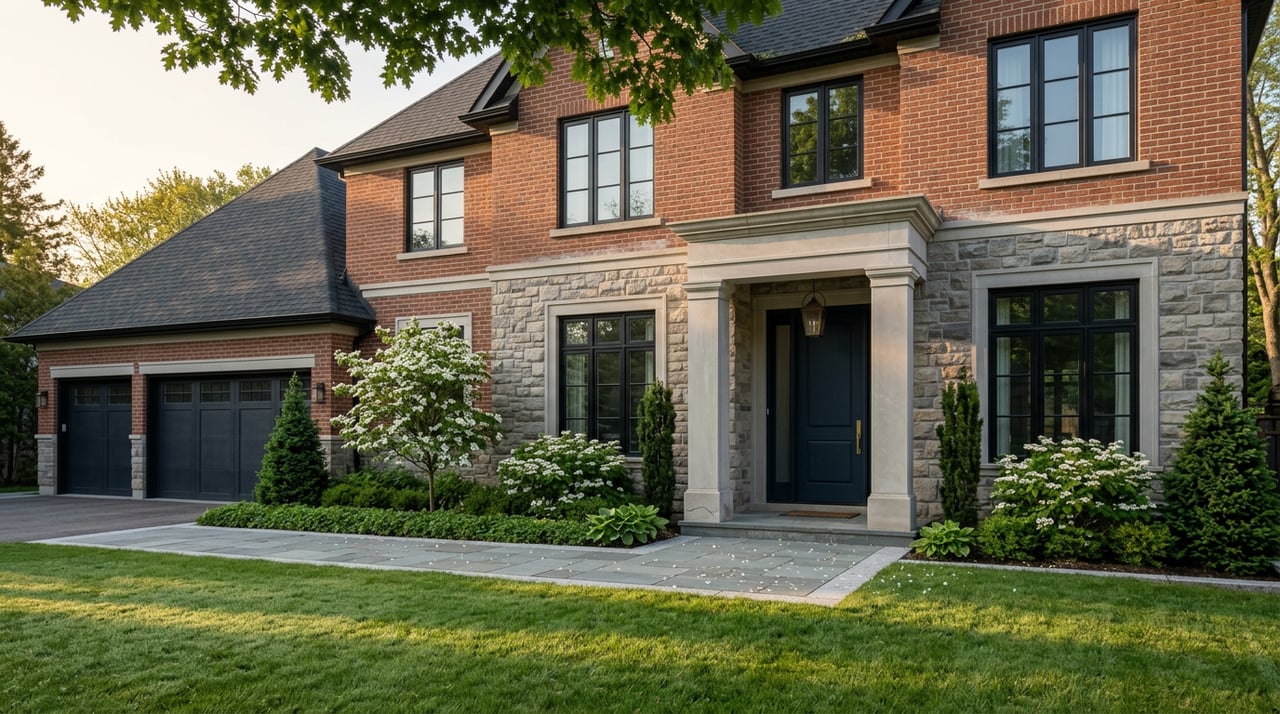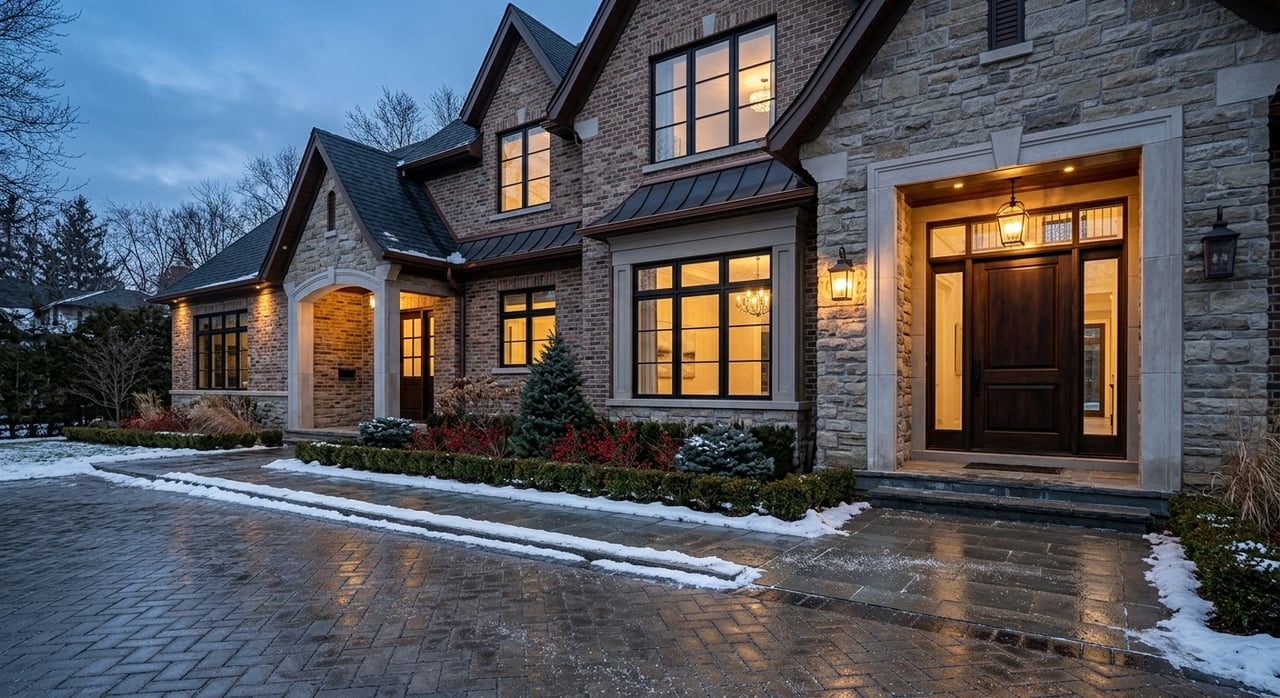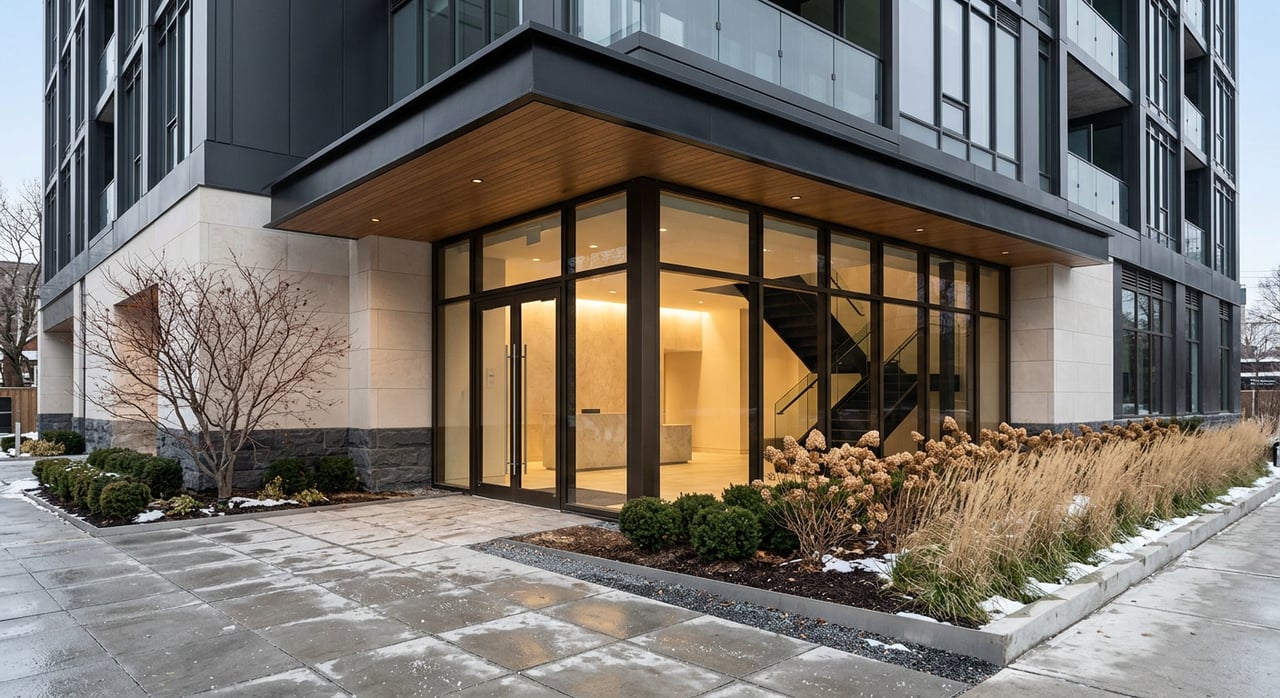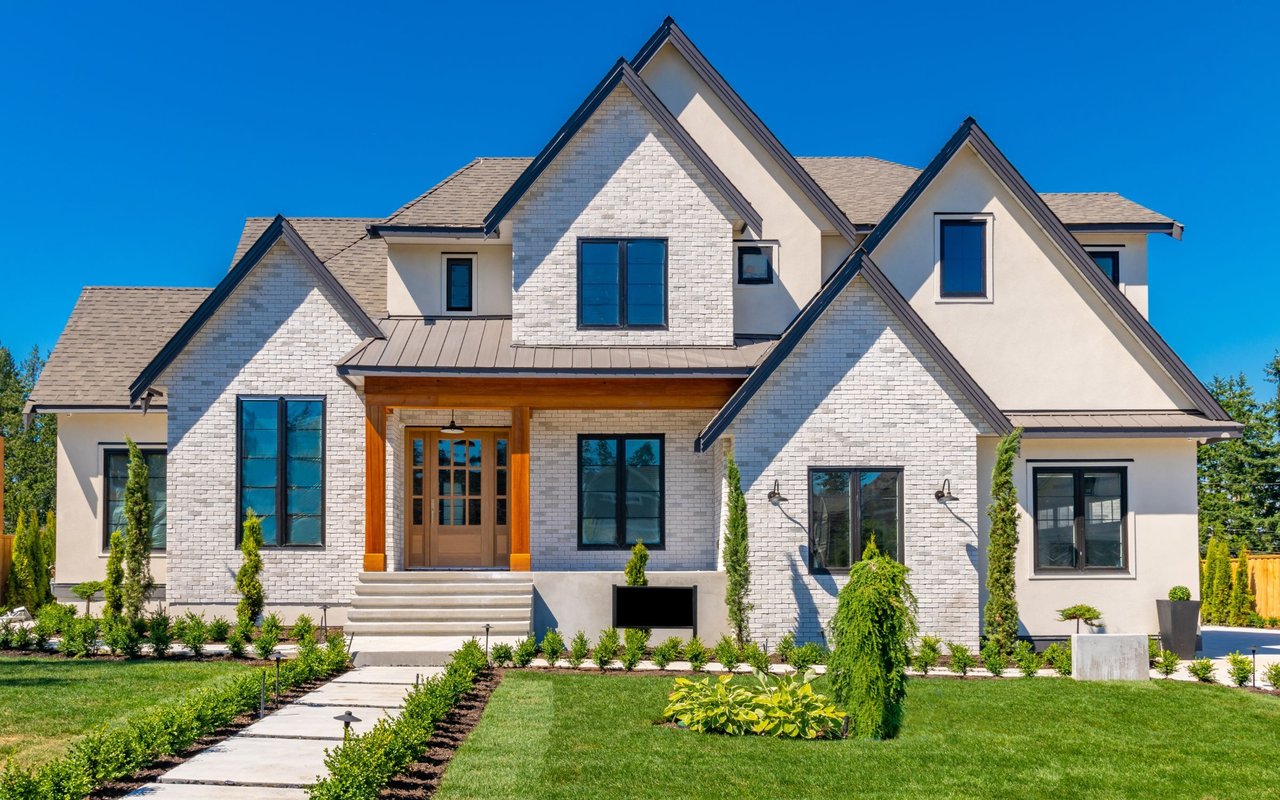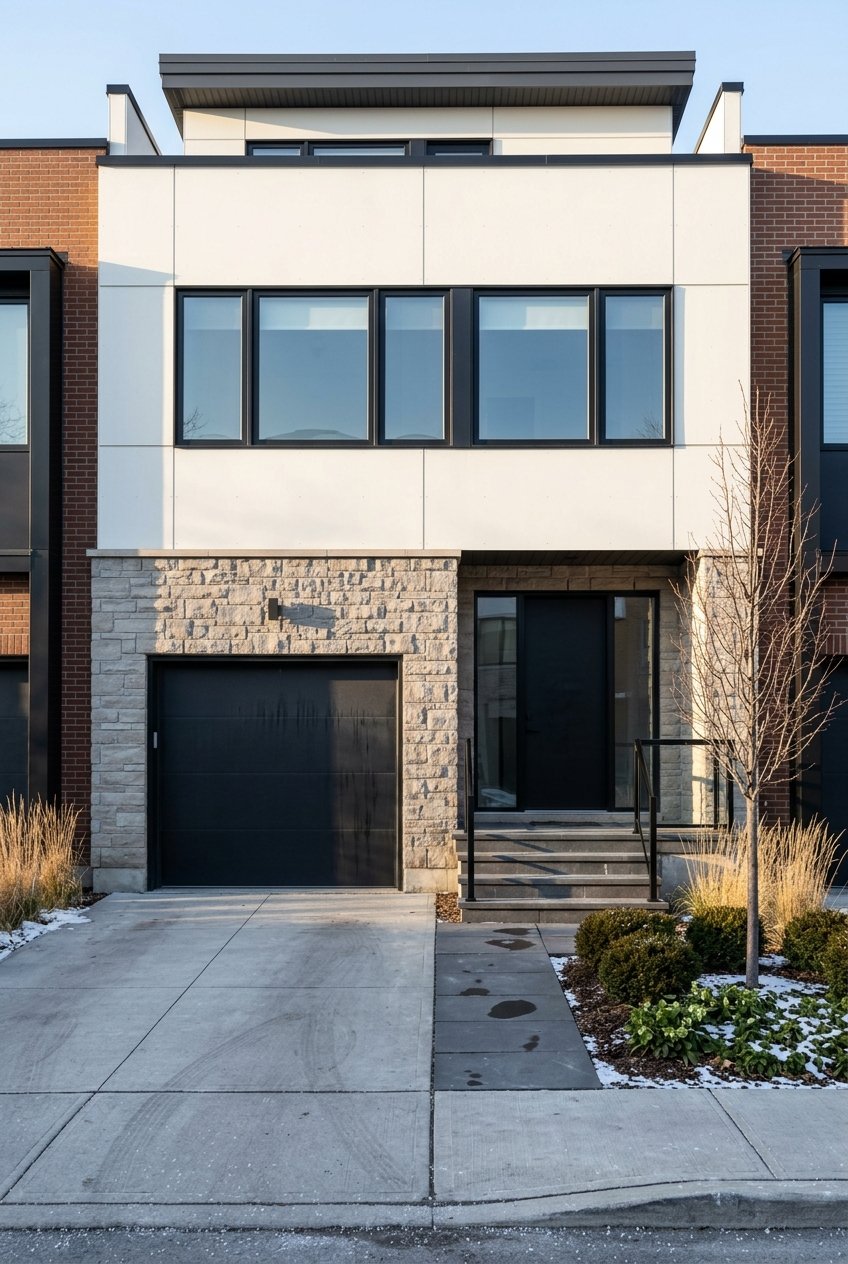
Wondering whether a townhome in Doncrest is the right move for you? It can be a smart option if you want a ground-related home in an established Richmond Hill area, but not every townhome works the same way on paper or in day-to-day living. If you understand ownership structure, fees, parking, and local planning before you buy, you can make a more confident decision. Let’s dive in.
Why Doncrest attracts townhome buyers
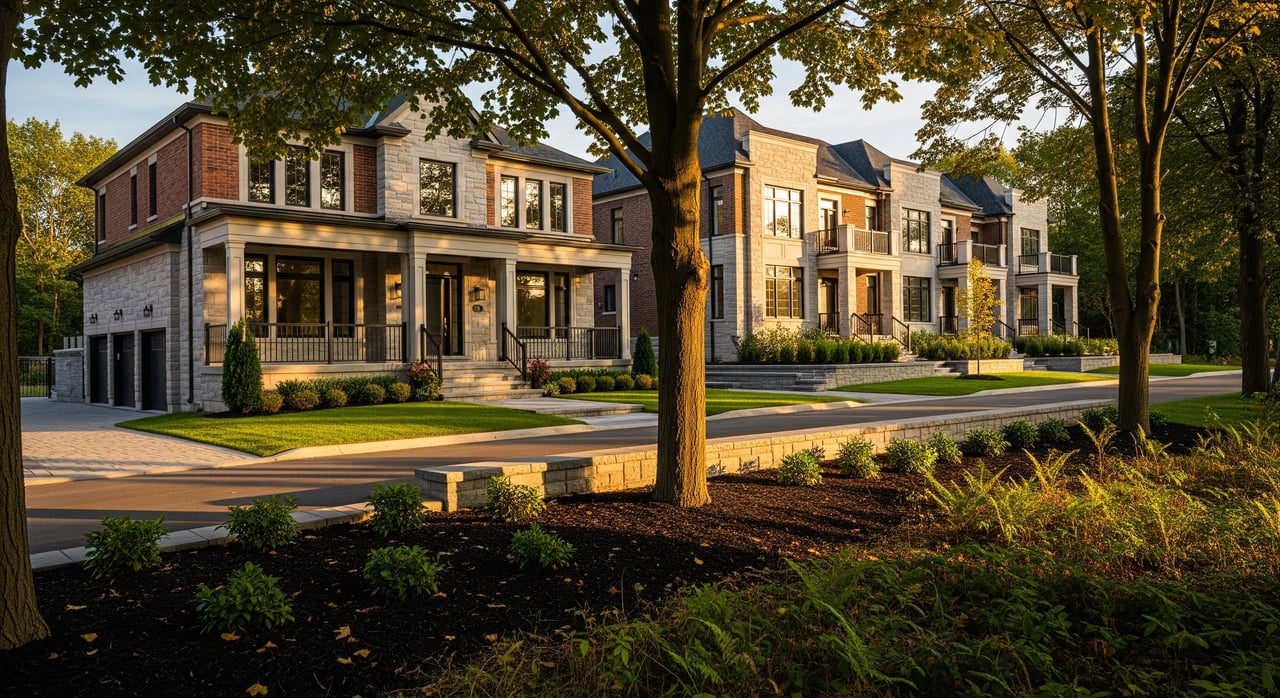
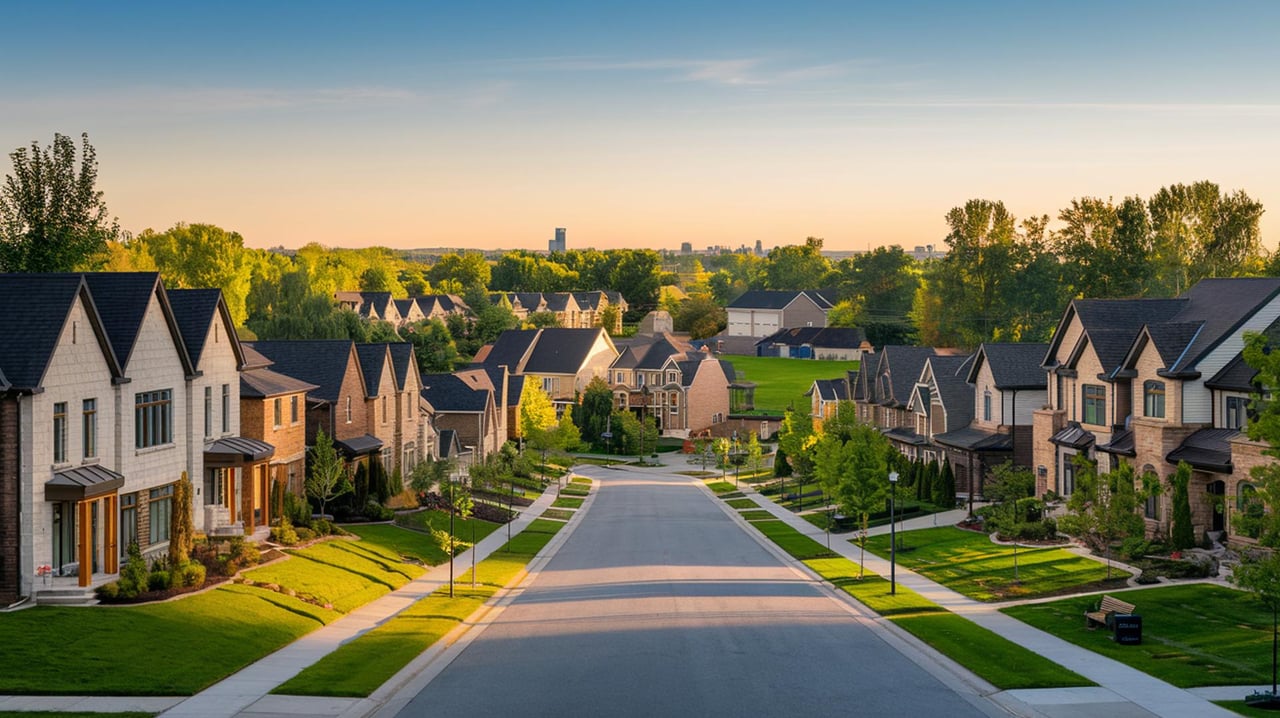
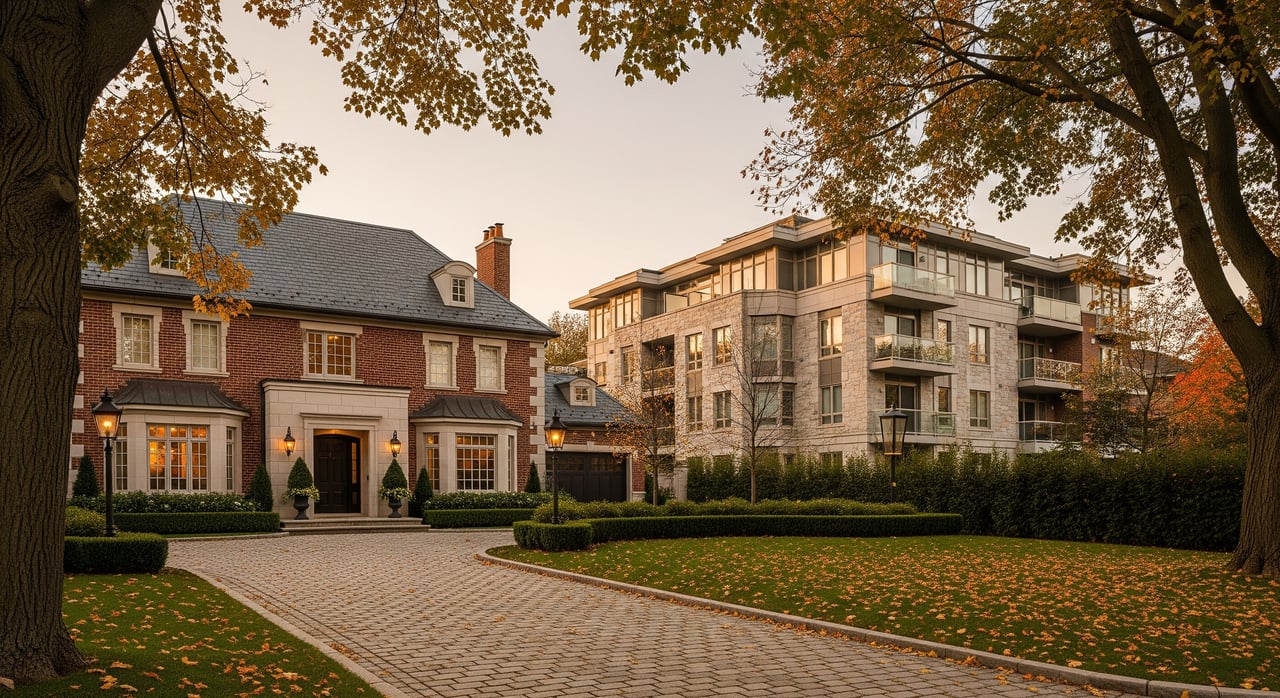
Doncrest is a southeastern Richmond Hill neighbourhood along Highway 7 with a quieter suburban feel and long-established community infrastructure. Published neighbourhood guides describe a housing mix that still leans toward detached homes, with low- and mid-rise condos also present.
For you as a townhome buyer, that matters because inventory may be more limited and more sensitive to exact location than in nearby Highway 7 growth areas. Two listings that seem close together on a map can offer very different surroundings, parking realities, and long-term ownership costs.
Know the ownership type first
One of the biggest mistakes buyers make is assuming that "townhome" tells them everything they need to know. In Ontario, it does not. The property could be freehold, a condominium townhouse, a vacant-land condo, or a common-elements arrangement.
That distinction affects what you own, what you maintain, and what fees you may pay. In other words, the legal structure often matters just as much as the floor plan or curb appeal.
Townhome style and ownership are not the same
A townhouse is a row-house style home with units joined side by side and sharing common walls. But the style of construction does not automatically tell you the legal ownership structure.
This is especially important in areas near Highway 7, where you may see street townhouses, stacked townhomes, or rear-lane forms. You should treat the ownership documents, not the listing label, as the source of truth.
Why ownership changes your monthly costs
A freehold condominium is still a condominium form of ownership. According to CMHC, with a freehold condominium you generally own the land and structure and are usually responsible for items like the roof, exterior walls, lawn, driveway, and garage.
With a more typical townhouse condominium, the unit is often the interior only, while the exterior and land may be common elements maintained by the corporation. In Doncrest, two similar-looking townhomes can come with very different maintenance responsibilities and fee structures.
Review condo fees with a critical eye
If the townhome is a condo, monthly common expenses deserve a close review. These fees can cover snow removal, landscaping, cleaning, utilities, insurance, security, management fees, and reserve-fund contributions.
You should also know that owners must pay common expenses even if they do not personally use certain common elements. That makes it important to understand exactly what the monthly fee includes and whether it matches how you plan to use the property.
Reserve fund health matters
A lower monthly fee is not always better. If the reserve fund is weak, the corporation may need a special assessment later, which can create an unexpected cost after you move in.
The Condo Authority of Ontario notes that reserve fund studies are generally updated every three years. When you review a condo-townhome opportunity, you want to look beyond the current fee and consider the corporation’s overall financial position.
The status certificate is essential
For a resale condo townhome, the status certificate is one of the most important documents in the process. The Condo Authority of Ontario says it can cost up to $100, must be provided within 10 days, and includes key records such as the declaration, by-laws, rules, budget, audited financials, reserve-fund study, and the unit’s common-expense status.
This document can tell you whether the corporation appears well managed and whether the specific unit is in good standing on fees. Because condo documents can be lengthy and technical, legal review is strongly recommended before you commit.
Clarify maintenance before you buy
Maintenance questions should never be left vague. You want a clear answer on who handles the roof, windows, exterior walls, snow removal, landscaping, and driveway maintenance.
This is where many buyers discover that two homes with similar asking prices are not truly comparable. One may offer lower monthly fees but require more direct upkeep, while another may shift more responsibilities to the condo corporation.
Check parking carefully in Doncrest
Parking can be a bigger issue than buyers expect. In Richmond Hill, front-yard parking rules limit driveway widths by lot width and require at least 45 percent of a residential front yard to remain landscaped.
The city also enforces overnight street-parking restrictions and offers temporary parking permits. If the home has a single garage bay, a short driveway, or limited visitor parking, these rules can affect your day-to-day convenience.
Why nearby Highway 7 matters
Parking considerations can be more sensitive near newer Highway 7 planning areas. Richmond Hill’s zoning review notes that newer secondary-plan areas close to higher-order transit generally have lower parking rates than other parts of the city.
Its technical paper compares many newer ground-related townhouse forms at 1 to 2 parking spaces, versus 2 to 3 spaces in more conventional residential areas. If parking is high on your priority list, this is worth checking early rather than after you fall in love with a listing.
Confirm the current rules
Richmond Hill has said its front-yard parking and driveway rules are under review through the comprehensive zoning by-law process. That means you should confirm the in-force rules at the time of purchase rather than rely on older assumptions.
A practical approach is to map out the garage size, driveway length, visitor parking, and whether street parking is realistically available under current local rules.
Look beyond the unit itself
A smart townhome purchase includes checking what surrounds the property, not just what is inside it. Boundaries, easements, drainage patterns, and nearby municipal works can all affect your experience as an owner.
This matters even more if the home is close to trails, shared roads, or valleyland conditions. A clean-looking property can still come with legal or physical constraints that are not obvious from a showing.
Survey and title review
CMHC notes that a survey shows legal boundaries, building locations, and any rights for others to cross the property. Title insurance can also help protect against title defects or registered encumbrances.
For you, this means it is worth confirming where the true lot lines are and whether there are any access rights or shared elements that could limit how you use the property.
Valleyland and drainage checks
Richmond Hill shows an active Doncrest Valley erosion-protection project north of Highway 7 and east of Bayview Avenue. If you are considering a home near the valley, it is wise to ask more questions about drainage history, slope conditions, and any municipal works nearby.
This does not mean nearby homes are unsuitable. It simply means due diligence should be more detailed when a property is close to valleyland features.
Compare Doncrest with nearby Highway 7 areas
Doncrest and nearby Highway 7 pockets can appeal to different kinds of buyers. Richmond Hill Centre at Yonge Street and Highway 7 is the city’s primary intensification area and intended downtown and transit hub, with the secondary plan in effect as of January 17, 2025.
East Beaver Creek and Highway 7 is also an active planning area for future mixed-use growth. Compared with those corridors, Doncrest generally reads as the more established suburban option, with calmer streets and older community infrastructure.
What that means for your decision
If you value a mature neighbourhood setting and more predictable surroundings, Doncrest may feel like a better fit. If you prefer newer building forms, stronger transit orientation, and are comfortable with more nearby growth and future construction, the Highway 7 pockets may be worth a closer look.
Neither option is automatically better. The right choice depends on how you weigh lifestyle, maintenance, parking, and long-term comfort with surrounding change.
Extra consideration for international buyers
If you are an international buyer, there is an added legal step. The federal Prohibition on the Purchase of Residential Property by Non-Canadians Act remains in force, and the federal government announced an extension of the ban to January 1, 2027.
The law includes exceptions, but you should confirm eligibility before making an offer rather than assume a townhome purchase is permitted. This is one area where early guidance can save time and reduce risk.
A practical Doncrest townhome checklist
Before you move forward on a Doncrest townhome, make sure you have answers to these questions:
- What is the ownership type: freehold, condo townhouse, vacant-land condo, or common-elements arrangement?
- If it is a condo, have you reviewed the status certificate, declaration, by-laws, rules, budget, and reserve-fund study?
- Who is responsible for the roof, windows, exterior walls, snow removal, landscaping, and driveway maintenance?
- How many usable parking spaces do you actually have, and what do local street-parking rules allow?
- Have you checked the survey, title insurance, easements, and any rights-of-way?
- Is the property near valleyland, trails, or municipal works that call for extra drainage or slope review?
- If you plan to lease the property later, have you reviewed any leasing notice requirements and condo rules?
- Are there nearby Highway 7 redevelopment plans that could affect the area over time?
- If you are a non-Canadian buyer, have you confirmed legal eligibility before proceeding?
A well-bought townhome can offer a strong balance of space, location, and manageability. The key in Doncrest is to look past the listing photos and understand how the property works in real life, from ownership documents to parking to future area planning.
If you want local guidance on comparing Doncrest townhomes, reviewing ownership structure, or weighing nearby Richmond Hill options, Kevin Lin Realty offers a concierge-style, detail-driven approach to help you buy with clarity.
FAQs
What should you verify before buying a Doncrest townhome?
- You should confirm the ownership type, maintenance responsibilities, parking setup, status certificate if it is a condo, and any survey or title issues tied to the property.
What does a condo townhome in Doncrest usually include in monthly fees?
- Monthly common expenses may cover items such as snow removal, landscaping, cleaning, utilities, insurance, security, management fees, and reserve-fund contributions, depending on the corporation.
What is the difference between a freehold and condo townhome in Doncrest?
- A freehold-style ownership arrangement generally gives you more direct responsibility for the land and exterior, while a condo townhouse often includes shared maintenance through the condominium corporation.
Why is parking an important issue for Doncrest townhome buyers?
- Parking matters because Richmond Hill regulates driveway widths, landscaping in front yards, and overnight street parking, and some newer townhouse areas may offer fewer parking spaces than older residential areas.
Should you review a status certificate for a resale Doncrest condo townhome?
- Yes, because the status certificate includes important financial and legal documents that help you understand the corporation’s rules, budget, reserve fund, and the unit’s common-expense status.
How does Doncrest compare with nearby Highway 7 townhouse areas?
- Doncrest generally offers a more established suburban setting, while nearby Highway 7 areas are more closely tied to ongoing intensification, transit-oriented planning, and newer building forms.
What should international buyers know before purchasing a Doncrest townhome?
- International buyers should verify whether they are legally eligible to purchase under current federal rules before making an offer, since restrictions on non-Canadian purchases remain in effect through January 1, 2027.