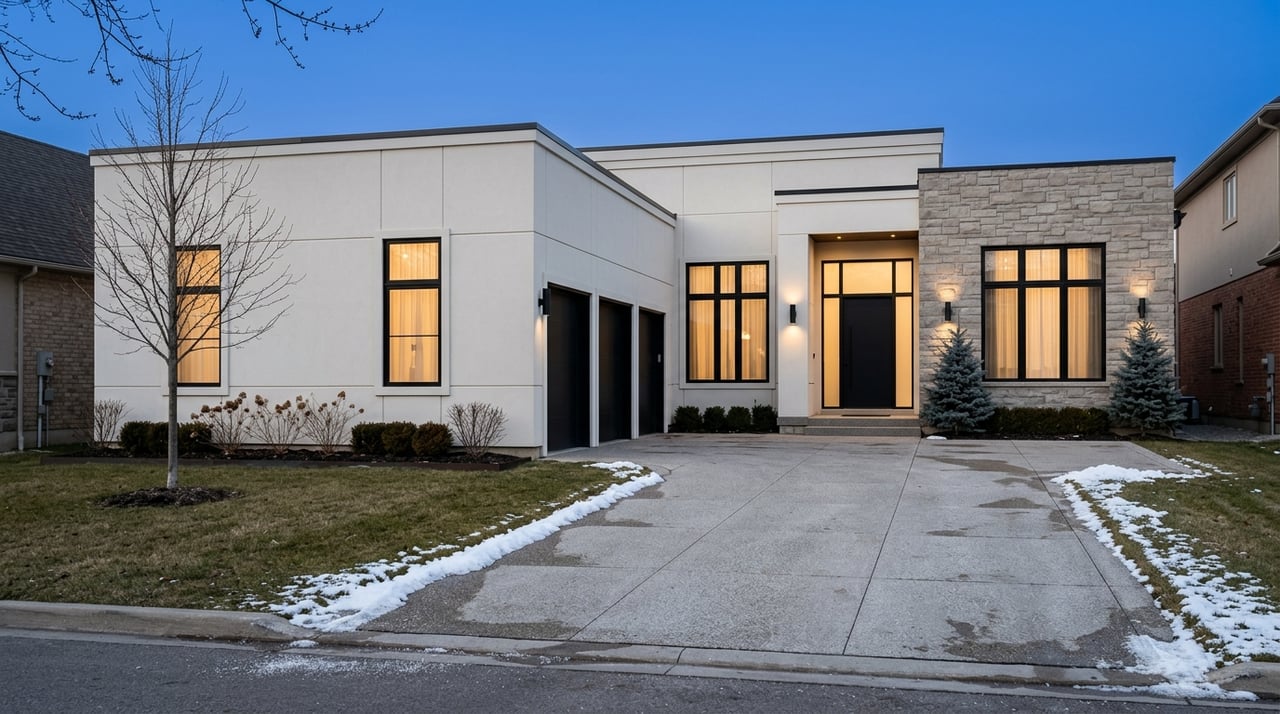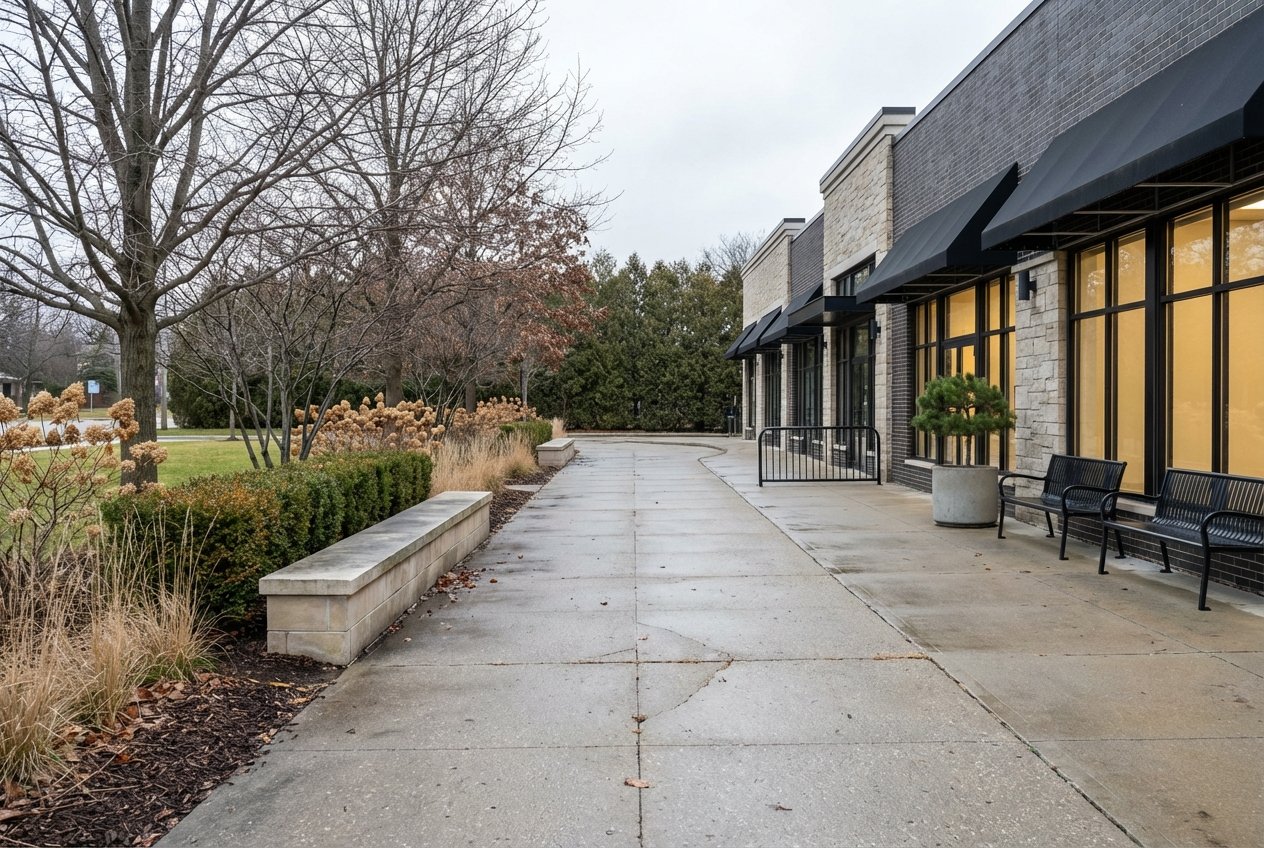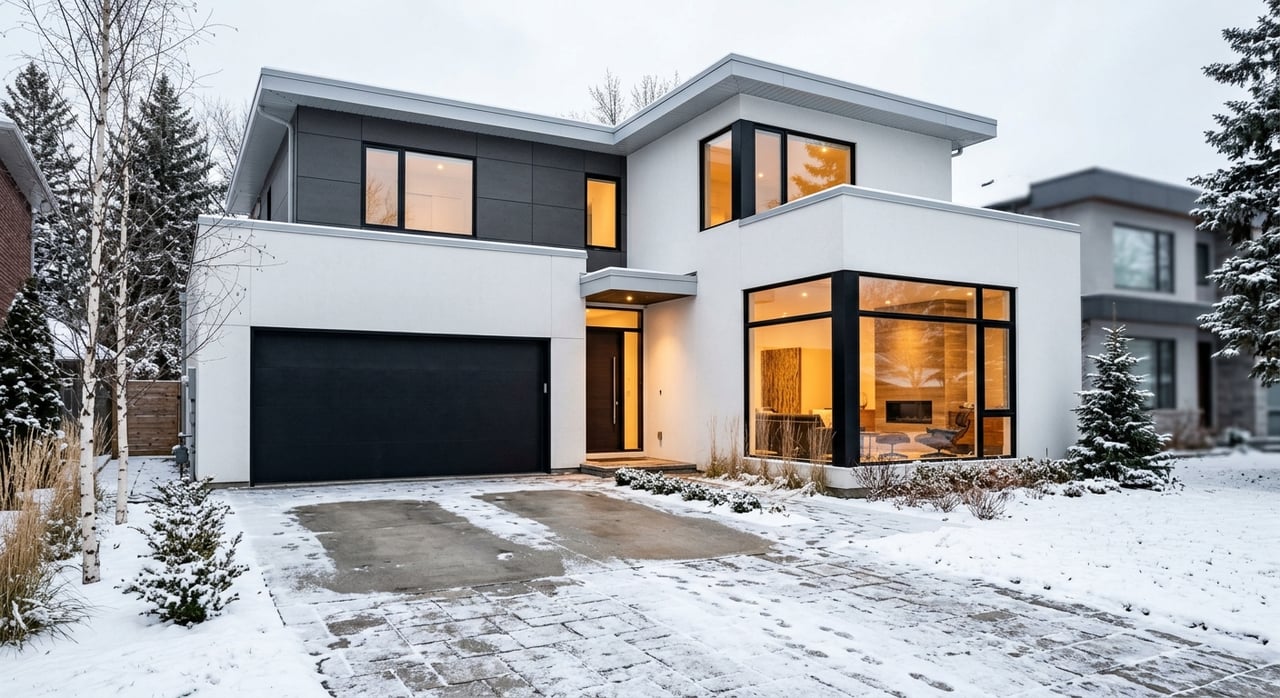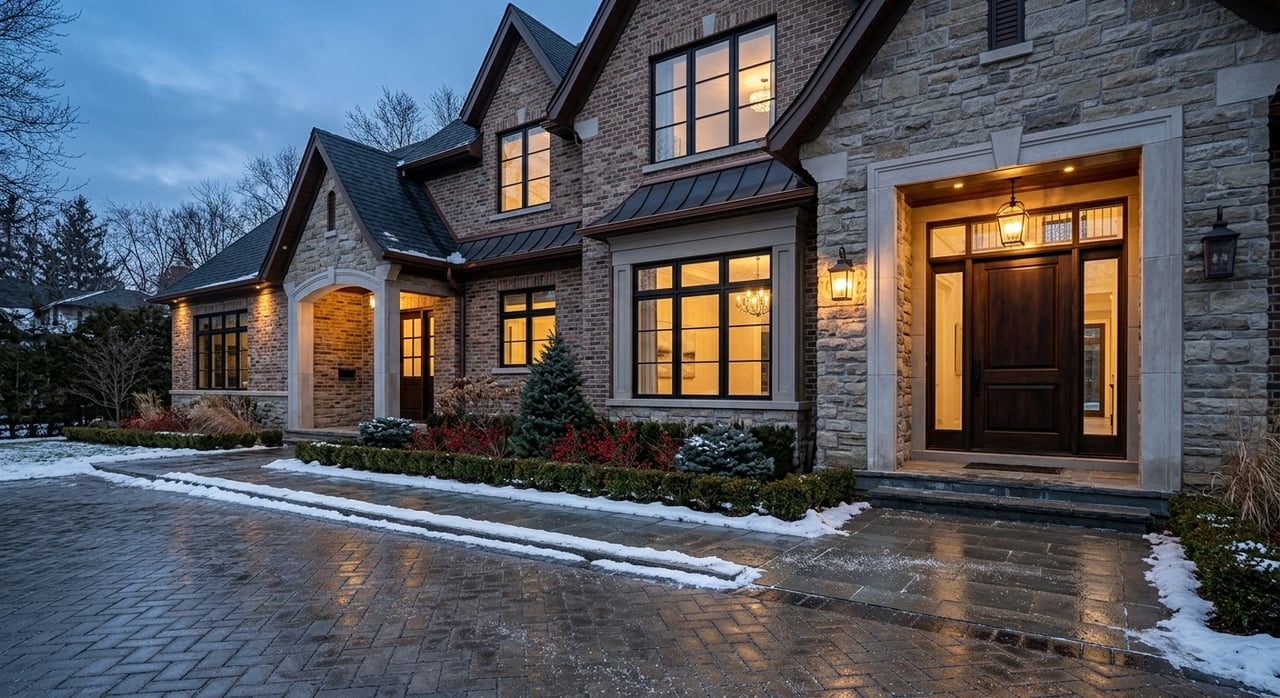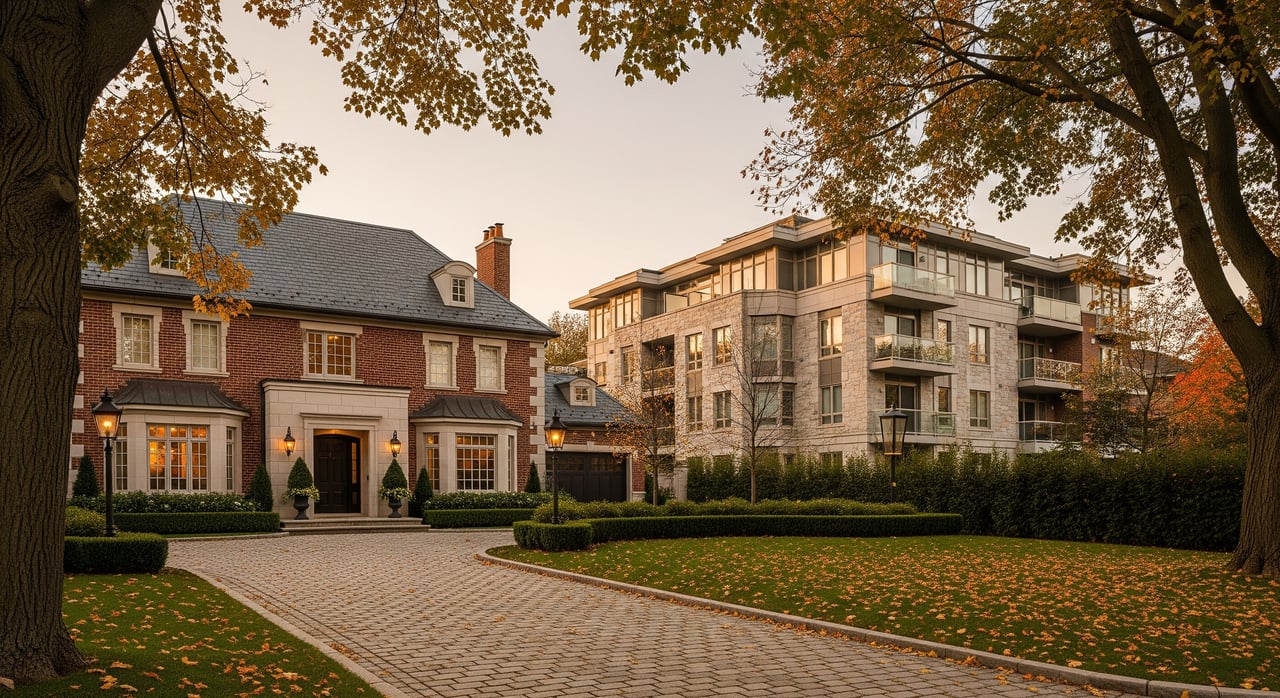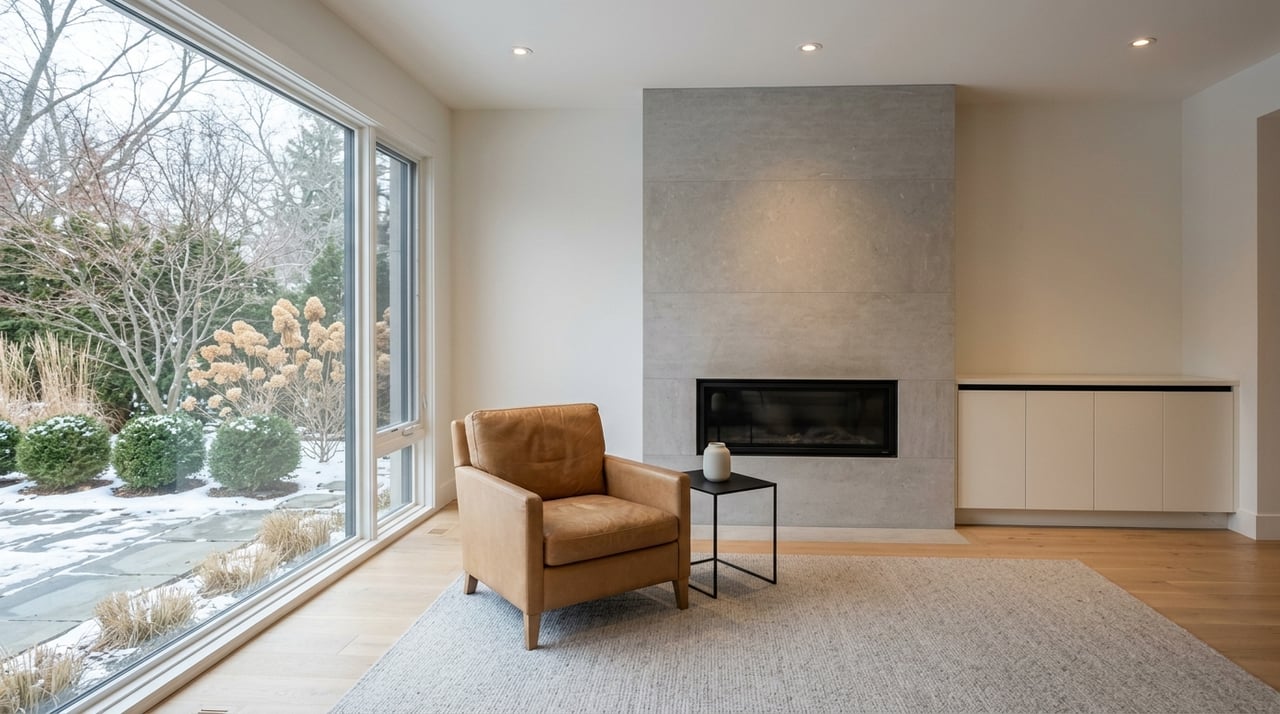
Feeling ready to simplify, but not quite ready to let go? If you have lived in Mill Pond for years, that tension is completely understandable. This is not just about moving out of a house. It is about deciding what you want the next chapter of your life to look like. With the right plan, you can downsize with less stress, protect your home’s value, and move forward with confidence. Let’s dive in.
Why downsizing in Mill Pond feels different
Mill Pond is deeply connected to Richmond Hill’s history and community life. The City of Richmond Hill describes Mill Pond Park as a historic area that grew from a pre-1848 sawmill site and remains a well-used local destination with trails, a boardwalk, skating, concerts, Winter Carnival events, and ongoing park renewal.
That setting helps explain why leaving a Mill Pond home can feel emotional. For many owners, the house is tied to routines, memories, and a strong sense of place. A move here often feels bigger than a simple change in square footage.
That is also why it helps to think in terms of rightsizing, not just downsizing. CMHC frames this kind of move as choosing a home that better fits your next phase of life, which can be a healthier and more practical way to approach the decision.
Start with your real goal
Before you sort a single drawer or book a contractor, take a step back and define what you want from the move. A smaller home may be part of the answer, but your real goal might be lower maintenance, fewer stairs, more flexibility, or easier access to daily essentials.
CMHC recommends planning ahead rather than waiting for a change in health, finances, or family needs to force a rushed decision. That advice matters because confident downsizing usually starts months before the home hits the market.
Questions worth asking early
- Is home maintenance starting to feel like too much?
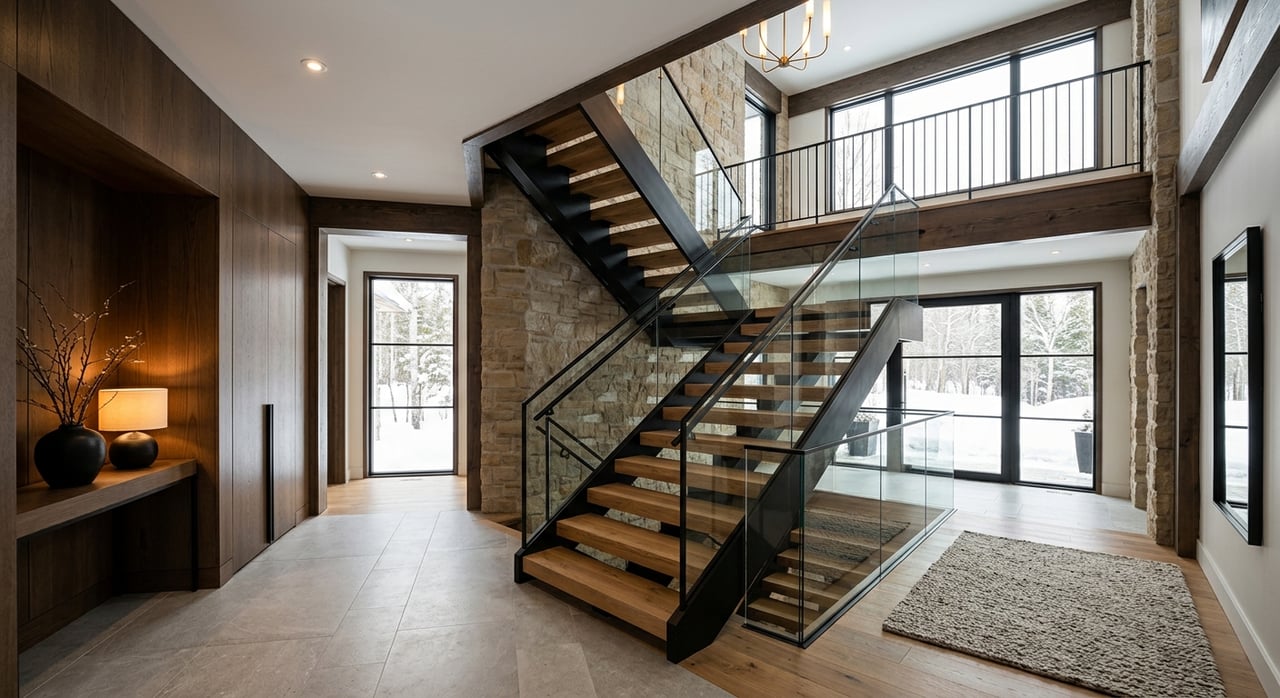
- Does your current layout fit your future mobility needs?
- Would being closer to family, transit, parks, shops, libraries, or healthcare make daily life easier?
- Would lower monthly costs improve your peace of mind?
- Would renting for a short period give you more flexibility?
Clear answers to these questions can shape every decision that follows. They help you choose the right next home, the right timing, and the right level of preparation for your sale.
Understand the Mill Pond market first
A smart downsizing plan should be grounded in current market conditions. In TRREB’s Q4 2025 Richmond Hill community report, Mill Pond recorded 20 sales, about 54 active listings, an average price near $1.56 million, a median price near $1.53 million, and an average of 29 days on market.
That tells you two important things. First, Mill Pond remains a high-value market. Second, pricing and presentation still matter, because buyers have options and timing can affect your result.
The broader GTA market also became more negotiable going into 2026. TRREB reported that in March 2026, sales were up modestly year over year while new listings fell, and average prices and the MLS Home Price Index composite were down from the prior year. For downsizers, that means your sale and your next purchase should be planned together, not treated as separate decisions.
Build a downsizing plan in stages
The easiest moves are usually the ones that are broken into manageable steps. Instead of trying to do everything at once, create a sequence that helps you stay in control.
1. Define your next-home criteria
Write down what your next home needs to do for you over the next five to ten years. Focus on daily living, not just appearance. Think about layout, maintenance, stairs, storage, parking, building amenities, outdoor space, and access to services.
2. Take inventory of what you actually use
Walk through your home room by room and separate what you use regularly from what you keep out of habit. This is often the point where the move starts to feel real, but it is also where clarity begins.
3. Decide what to keep, give, sell, or store
Try to match your belongings to the life you want next. If your goal is easier living, moving extra furniture and rarely used items into the next home may work against that goal.
4. Prepare the home for sale
Once you know what is staying with you, it becomes much easier to declutter, improve flow, and present the home well. This is where a coordinated selling strategy can make the process feel much lighter.
5. Align the sale with the next move
Timing matters. Some homeowners buy first, some sell first, and some choose a short rental period to create breathing room. The right path depends on your comfort level, budget, and how quickly you want to move.
Focus on updates that actually help
A common question is whether you should fully renovate before selling. In many cases, the better answer is no.
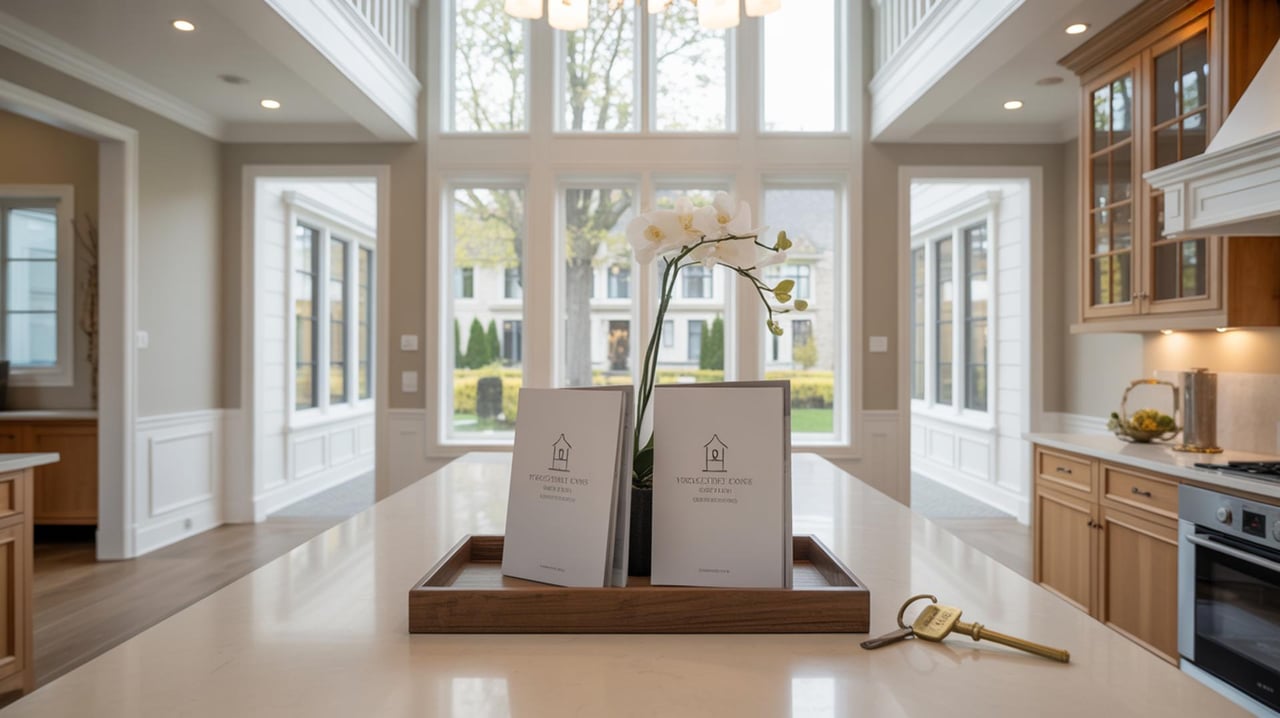
TRREB describes staging as a strategic marketing tool that can help attract buyers, support a faster sale, and maximize value. Its guidance highlights decluttering and improving traffic flow as key first steps, which supports a practical approach rather than a major remodel.
Best pre-sale improvements for many downsizers
- Fresh, neutral paint where needed
- Minor repairs that remove distractions
- Better lighting in darker spaces
- Decluttering shelves, counters, and storage areas
- Rearranging or removing furniture to improve flow
- Clean, polished presentation inside and out
Large custom renovations can be expensive, disruptive, and hard to recover dollar for dollar. In a market where buyers are comparing multiple listings, strategic preparation usually delivers more value than over-improving the property.
Consider your next-home options carefully
If you want to remain in Richmond Hill or the broader GTA, you likely have several practical choices. The best option depends on how much maintenance you want, how important main-floor living is, and whether flexibility matters more than ownership.
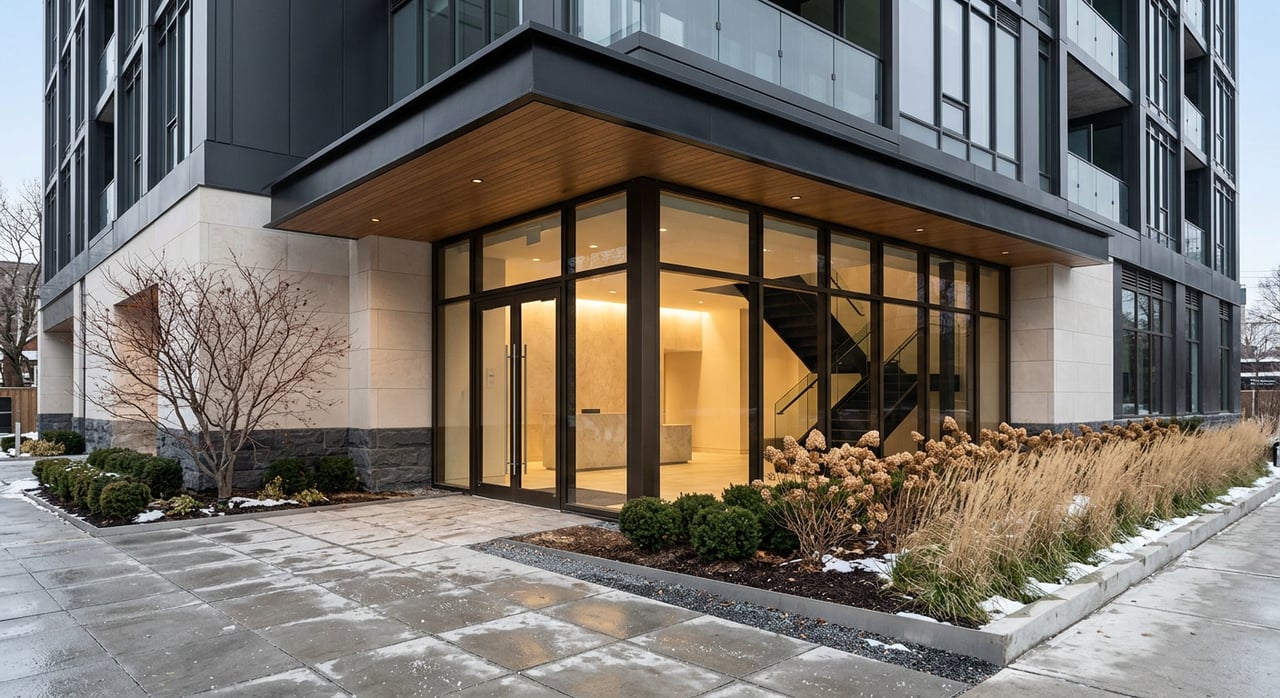
TRREB’s Q4 2025 condo report showed the average GTA condo apartment price was $652,945, down 5.1% year over year. With more inventory and more negotiating power for buyers, condos can be a very practical option for homeowners who want to stay in the region with less upkeep.
Common rightsizing options after a Mill Pond sale
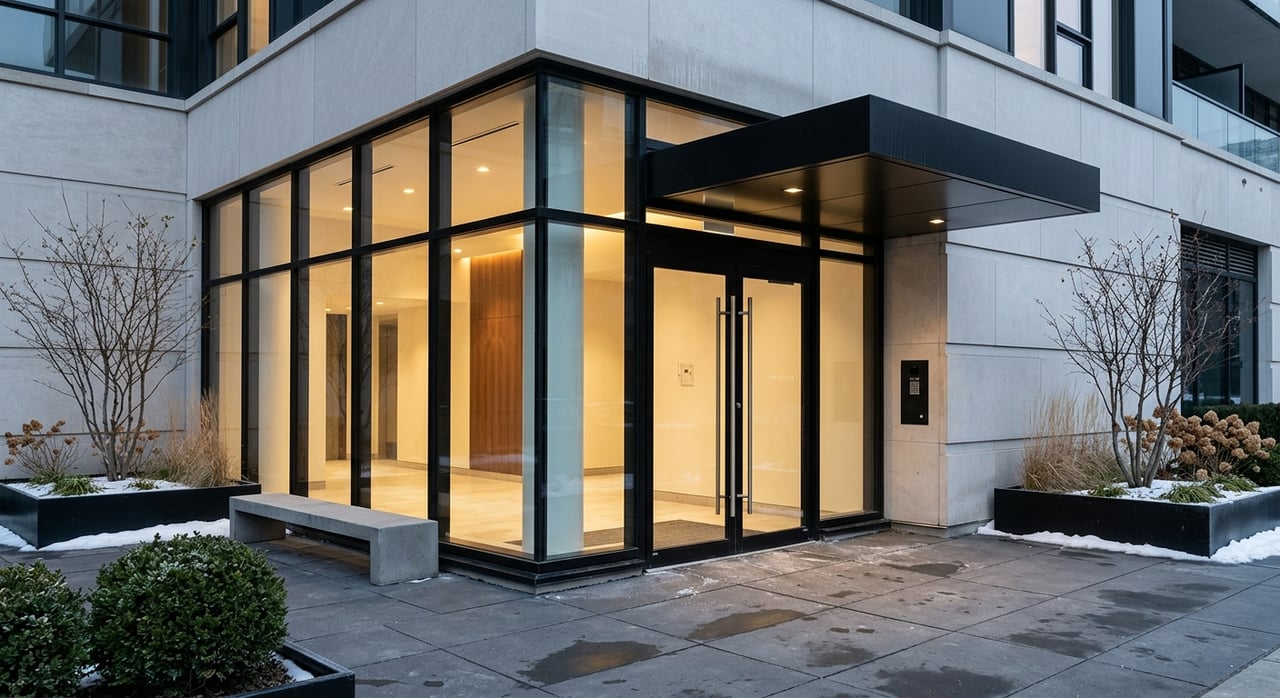
- Condo apartment for low-maintenance living
- Condo townhouse for a balance of space and simplicity
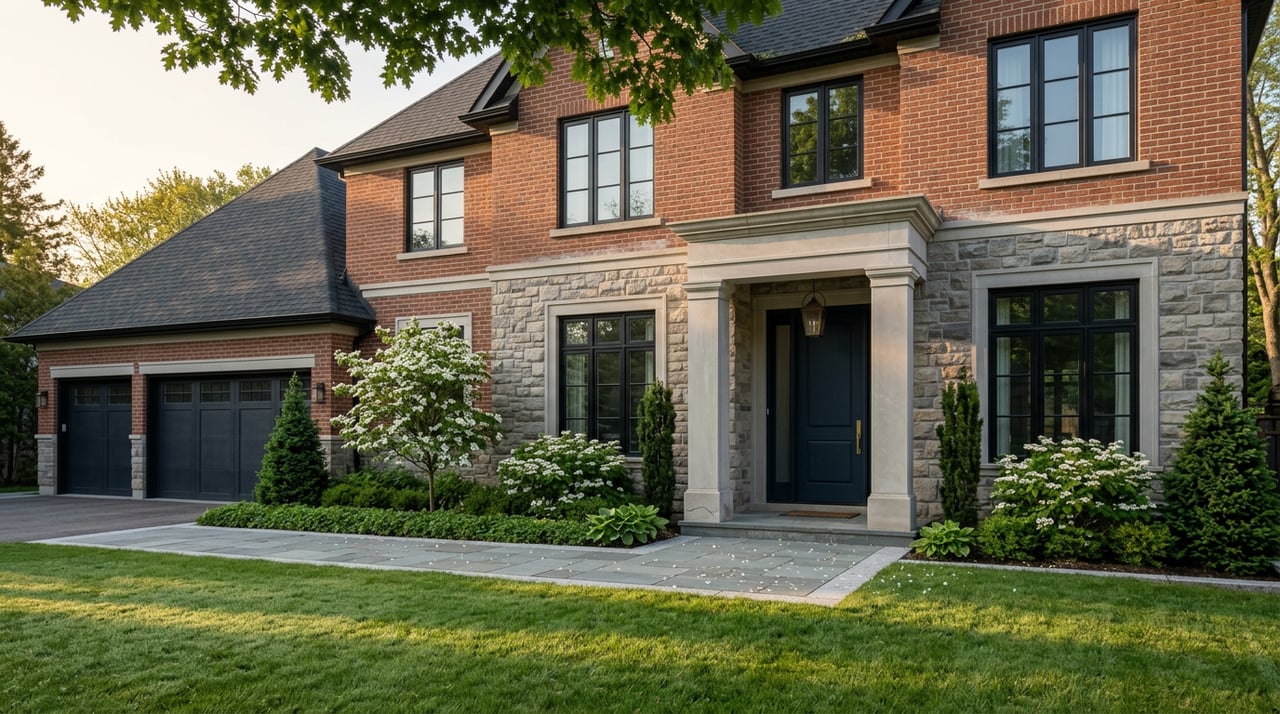
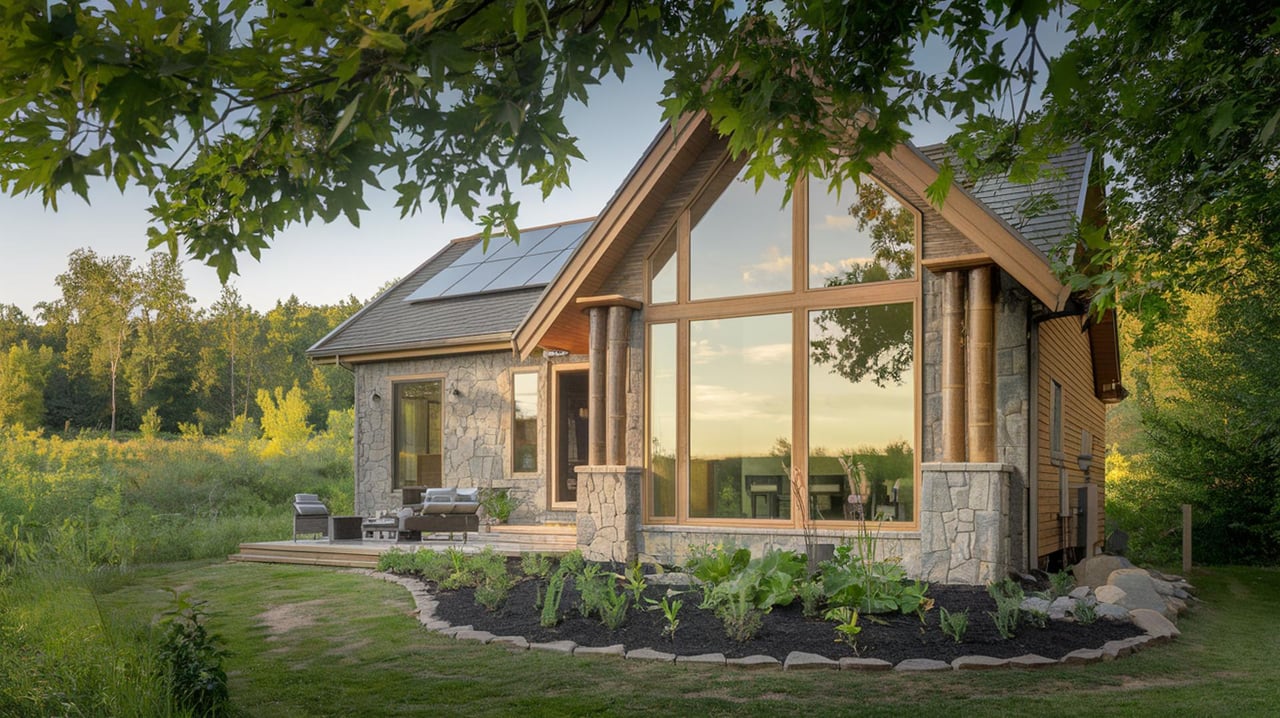
- Smaller ground-oriented home if you still want a private exterior entrance
- Rental housing if you want flexibility before buying again
- Seniors housing or support-oriented living, depending on needs and budget
If you are considering renting as a bridge, current conditions may support that plan. TRREB’s Q4 2025 rental report showed strong rental listings and lower average rents year over year across segments, which may make a short-term rental period more realistic for households that want extra time.
Stay local if that matters to you
Many homeowners worry that downsizing means leaving the area they know. In reality, a right-sized move can often help you stay connected to the parts of Richmond Hill and York Region that matter most to you.
York Region’s 2024 to 2027 Plan to Support Seniors says the region now has more seniors than children and projects that nearly one in four residents will be over 65 by 2051. The plan focuses on helping seniors age in the right place, which aligns closely with the idea of choosing housing that fits your needs, budget, and independence level.
York Region also offers seniors services and housing supports that can help older adults navigate options for independent living and other forms of assistance. For some households, that broader local support system can make staying in the region feel much more achievable.
Review the numbers before you move
Downsizing is emotional, but it is also financial. A clear budget can reduce stress and help you compare options more realistically.
Your review should include your likely sale proceeds, moving costs, legal fees, land transfer costs if buying again, monthly carrying costs, and any renovation or staging budget needed before listing. If you are comparing ownership with renting, look closely at the monthly difference, not just the purchase price.
For some Ontario homeowners, the Ontario Senior Homeowners’ Property Tax Grant may also be relevant. For 2026, eligible residents must be at least 64 on December 31, 2025, own and occupy an Ontario principal residence, have property tax paid on that residence, and apply through their tax return. The maximum payment is the lesser of $500 and the eligible property tax paid.
That grant will not drive the entire decision, but it can be useful when comparing the true cost of staying versus moving to another owned home.
Give yourself more time than you think
One of the most helpful things you can do is start early. CMHC notes that people often delay downsizing because of emotional attachment, social ties, moving costs, and uncertainty about the next home.
Those concerns are normal. They also tend to become more manageable when you create a plan before the move becomes urgent.
Even if you are not ready to sell today, you can still begin. Start by identifying your goals, understanding your home’s market position, and creating a realistic roadmap for preparation, sale timing, and your next purchase or rental.
A confident move is usually not the fastest one. It is the one that gives you enough time to make thoughtful decisions.
If you are thinking about downsizing from Mill Pond and want a clear, step-by-step plan for pricing, preparation, timing, and your next move, Kevin Lin Realty can help you move forward with clarity and confidence.
FAQs
When should you start planning a downsizing move from a Mill Pond home?
- CMHC’s guidance supports starting early so you can avoid rushed decisions, compare options carefully, and make the move on your own timeline instead of during an emergency.
Should you renovate before selling a Mill Pond house?
- In many cases, targeted improvements like decluttering, minor repairs, lighting, paint, and staging are more practical than a full renovation, especially when the goal is strong presentation and efficient preparation.
What next-home options are available after selling in Mill Pond?
- Common options include condo apartments, condo townhouses, smaller ground-oriented homes, rental housing, and support-oriented seniors housing depending on your lifestyle, budget, and care needs.
Can you stay in Richmond Hill after downsizing from Mill Pond?
- Yes, many homeowners can remain local by choosing a lower-maintenance home in Richmond Hill or elsewhere in York Region, where condos, rentals, and senior-focused supports are available.
Is the Mill Pond market still strong for sellers?
- TRREB’s Q4 2025 Richmond Hill report showed Mill Pond remained a high-value market, but current conditions still make pricing, timing, and presentation important to achieving a strong result.
Are there local supports for seniors in York Region after a move?
- Yes, York Region provides seniors services and housing supports that may help with service navigation, independent living options, and other housing-related needs.