Looking for a rental property in Bayview Glen that can work today and still make sense years from now? That is the right question to ask, because this pocket of Richmond Hill tends to reward practical, long-term thinking more than speculative investing. If you want to understand what kinds of homes fit local renter demand, how transit shapes appeal, and why layout matters as much as location, this guide will help you make a more informed decision. Let’s dive in.
Why Bayview Glen Stands Out
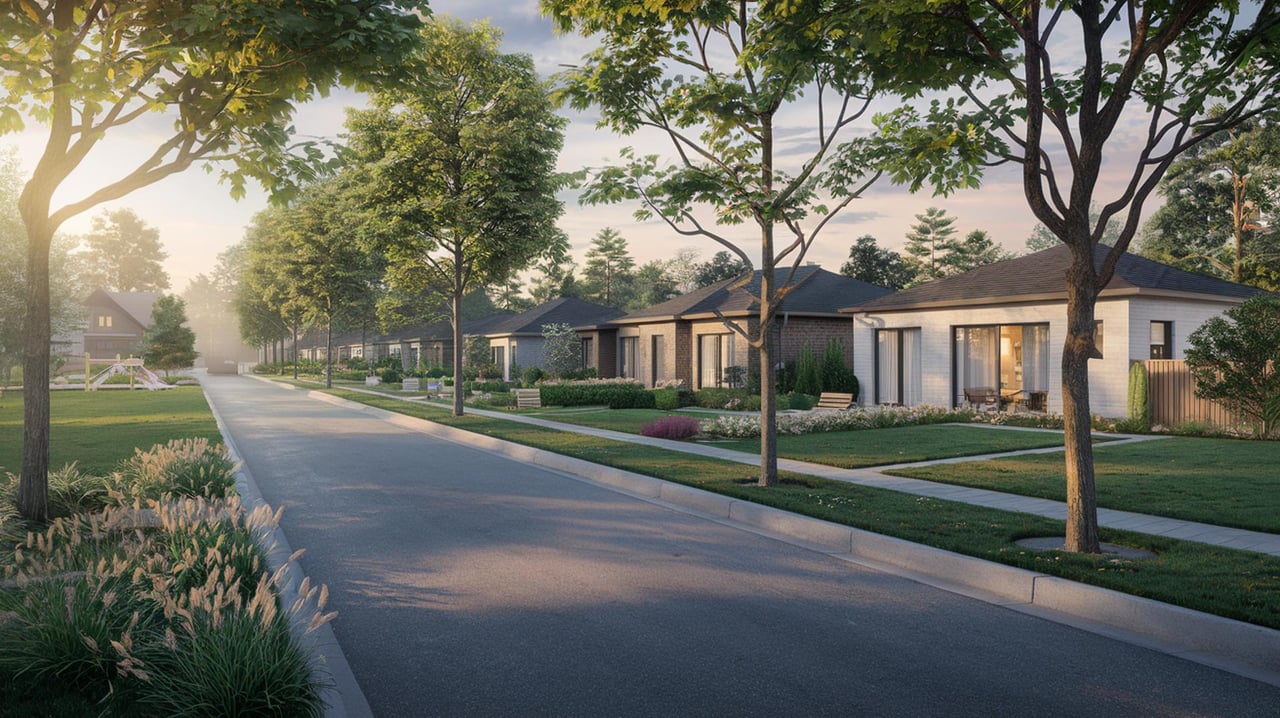
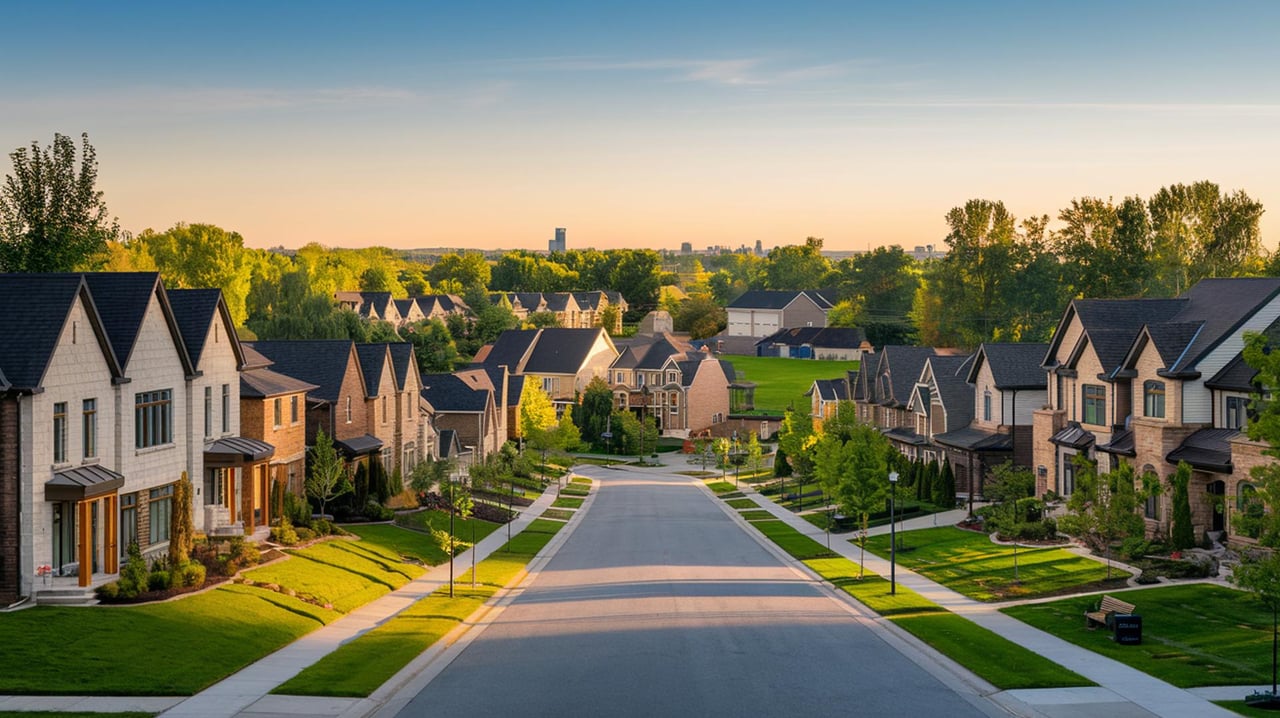
Bayview Glen sits within Richmond Hill’s South Urban Development Area and has a low-rise, subdivision-style feel rather than the profile of a dense urban core. Local planning envisions a mix of housing, including detached homes, semis, street townhouses, quadruplexes, stacked townhouses, and apartment blocks.
That mix matters for investors because it creates more than one entry point. At the same time, the area’s overall character still leans toward housing that supports everyday living, stable tenancy, and future owner-occupier appeal.
Why Rental Demand Looks Resilient
Richmond Hill’s renter share has been growing, with tenant households rising from 17.6% in 2016 to 21.8% in 2021. The city’s 2025 Housing Needs Assessment also notes that the secondary rental market made up 89% of market rentals in 2021.
That is important because many investors in Bayview Glen are not buying purpose-built rental buildings. They are usually buying homes that can be leased within the resale housing stock, which means property selection is a key part of the strategy.
Richmond Hill also shows signs of steady underlying demand. The city had a population of 220,365 in December 2024 and is forecast to reach 251,200 by 2031, while the Housing Needs Assessment expects about 3,700 additional residents per year from 2021 to 2051.
Who Likely Rents in Bayview Glen
If you are thinking about your future tenant, Bayview Glen is best viewed through a long-term lens. The strongest renter demand is likely to come from households that want space, reliable commuting options, and access to everyday amenities rather than short-stay users.
Richmond Hill’s broader profile supports that view. More than half of residents are immigrants, many newcomer households have lower incomes in their early years after arrival, 79% of residents have post-secondary education, and the median household income was $102,000.
The local labour profile is also weighted toward professional, scientific and technical services, health care, finance, and insurance. That points to a renter base that may value functional layouts, clean finishes, parking, and commuter convenience over novelty.
What Home Types Make the Most Sense
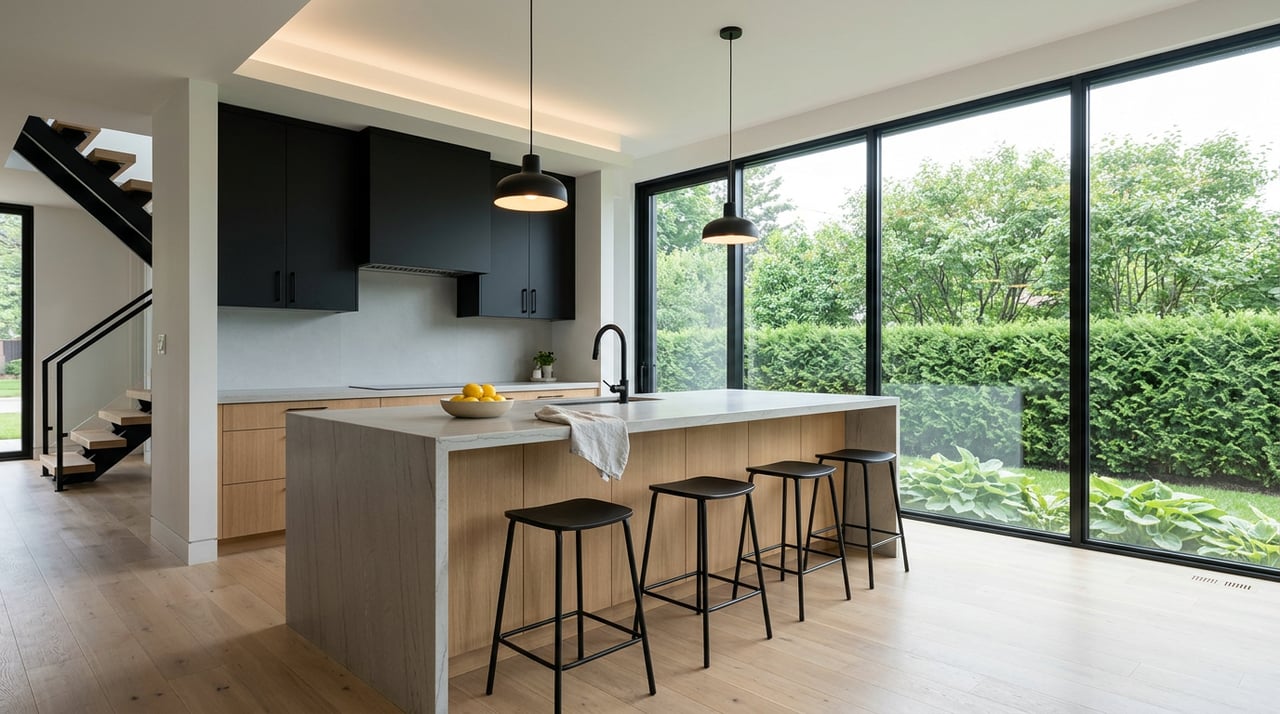
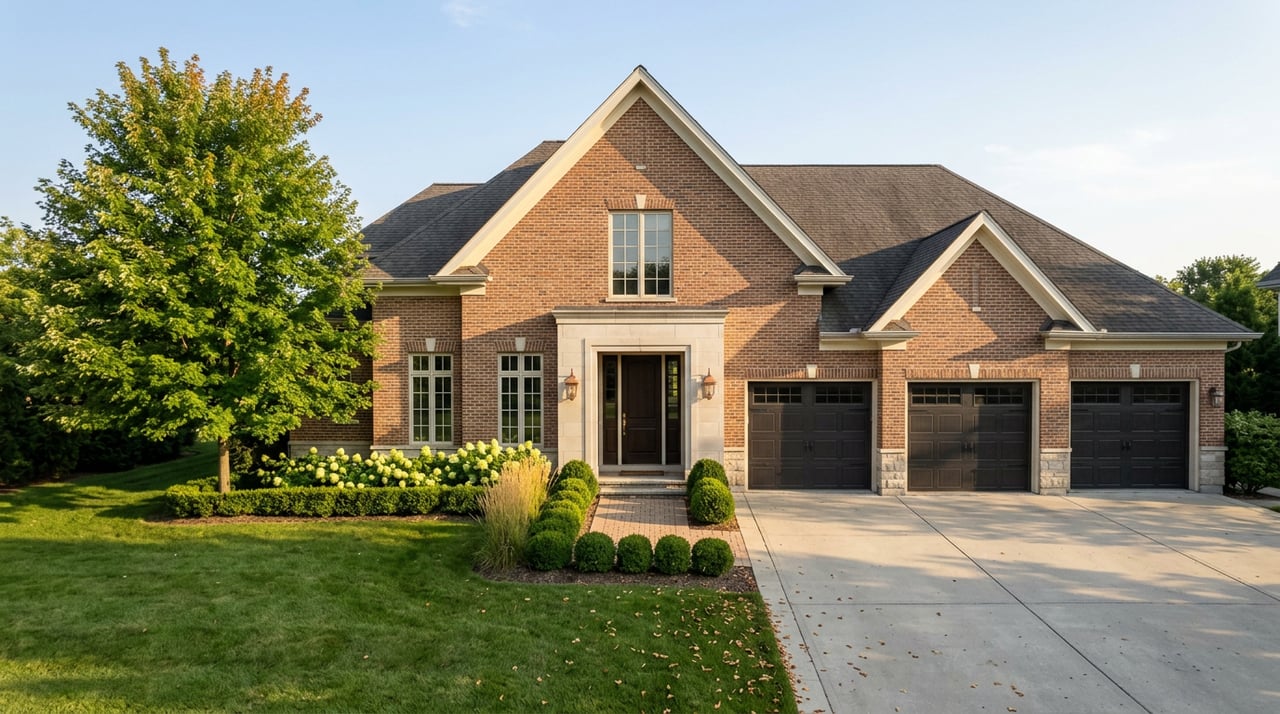
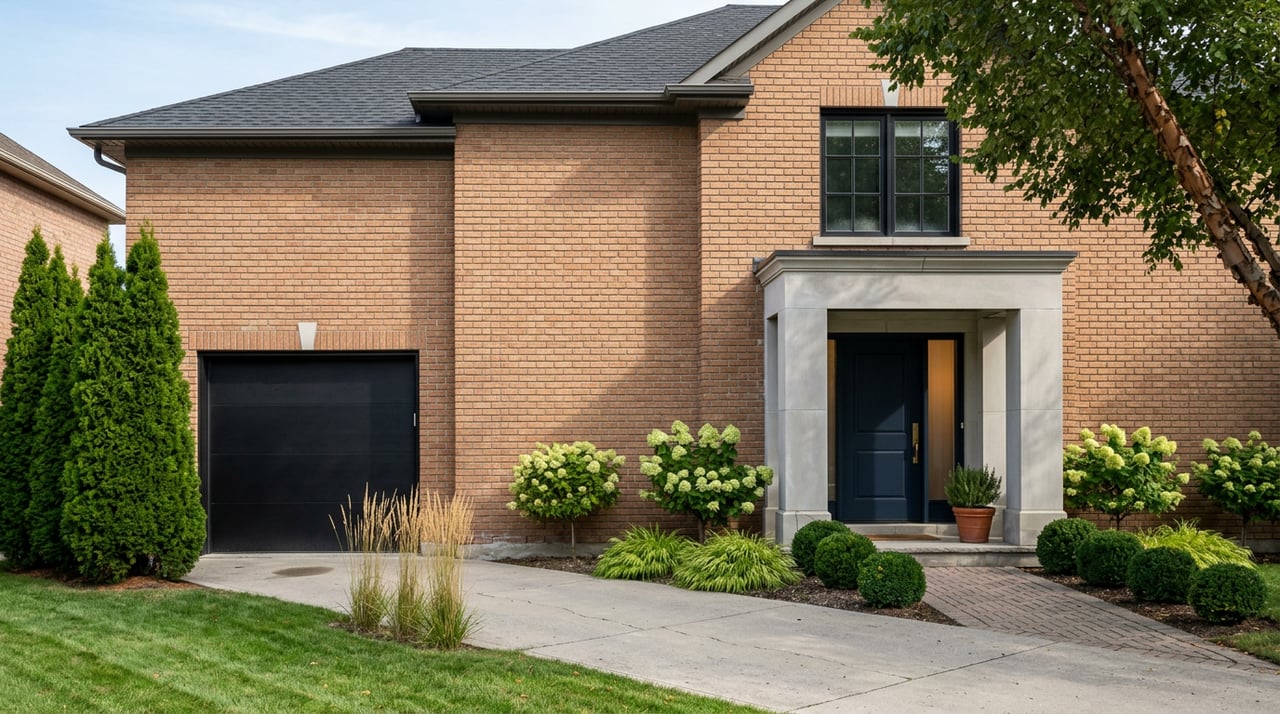
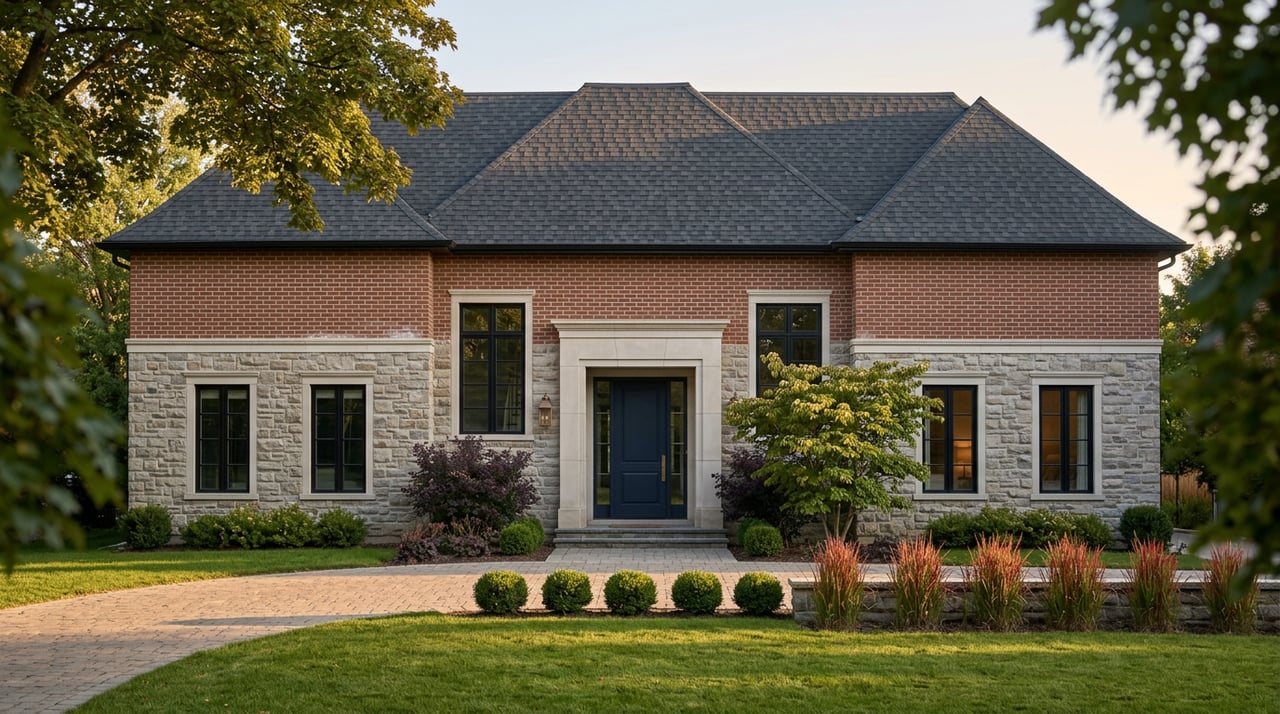
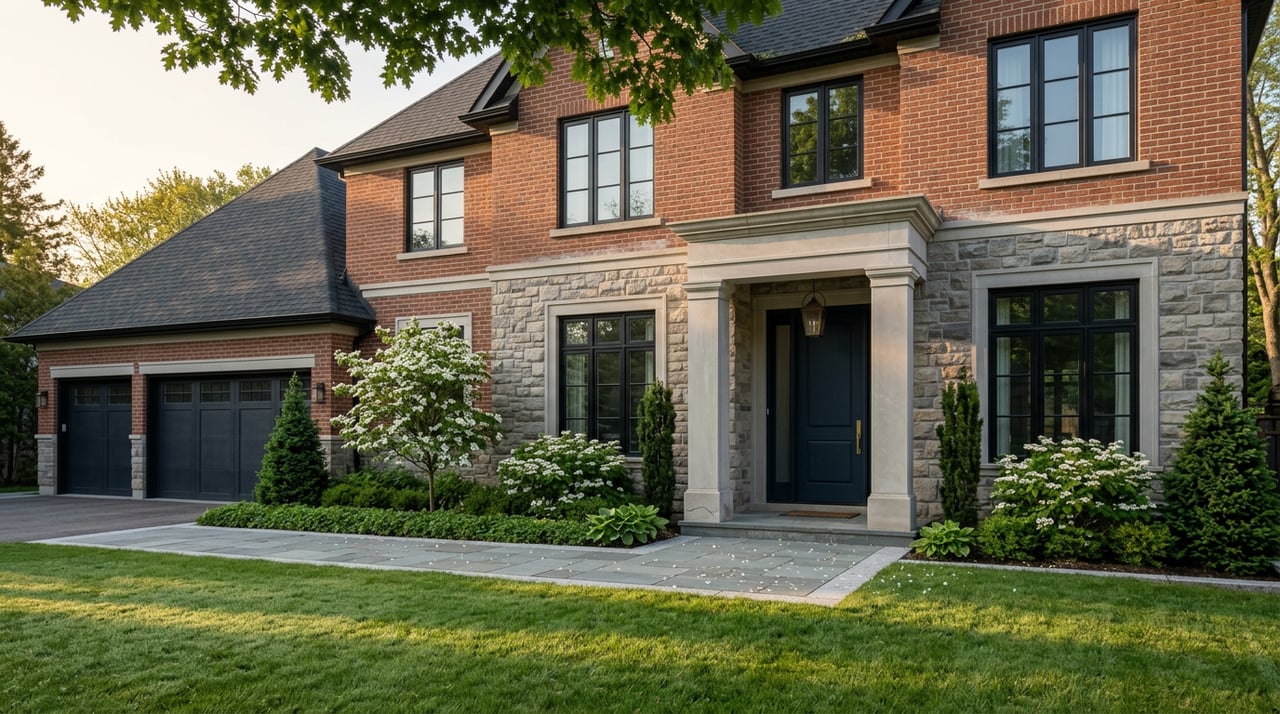
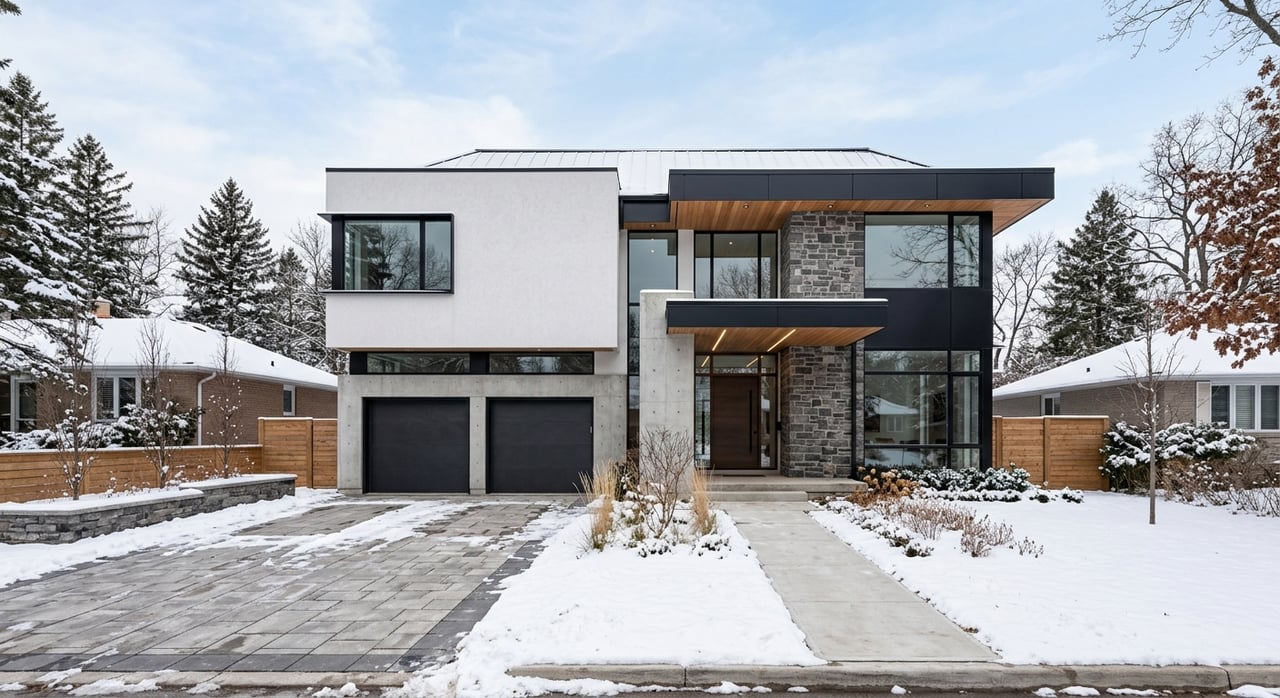
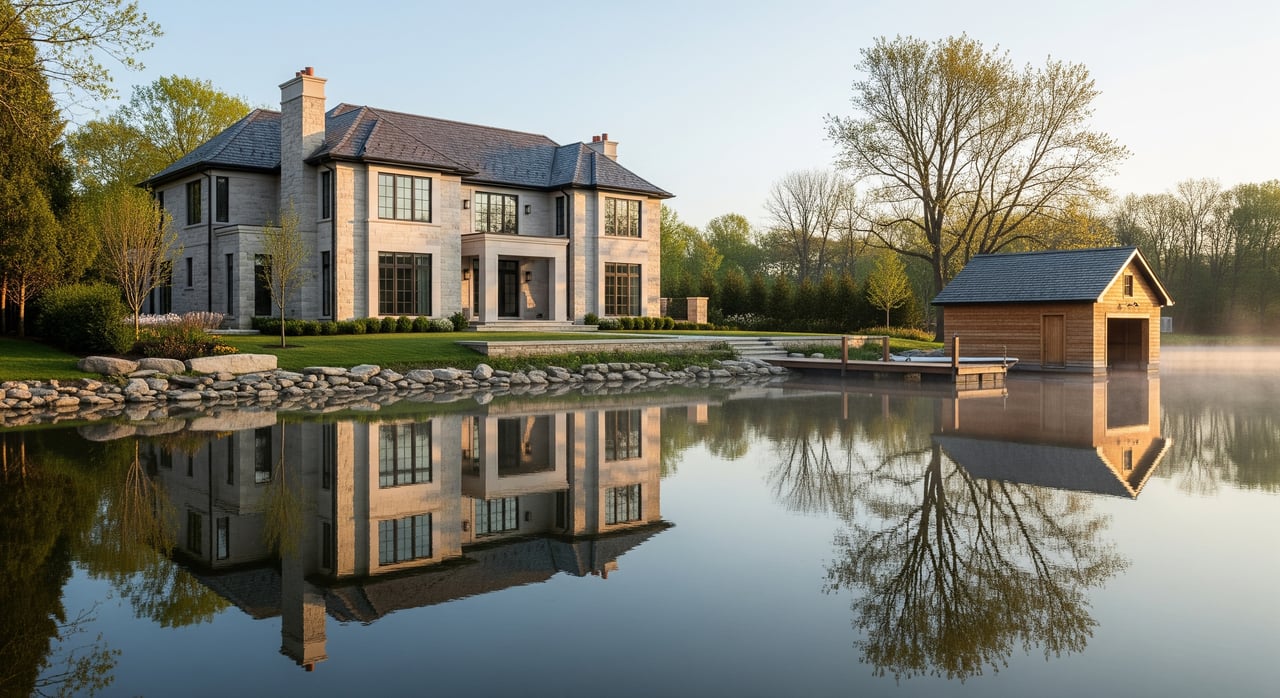
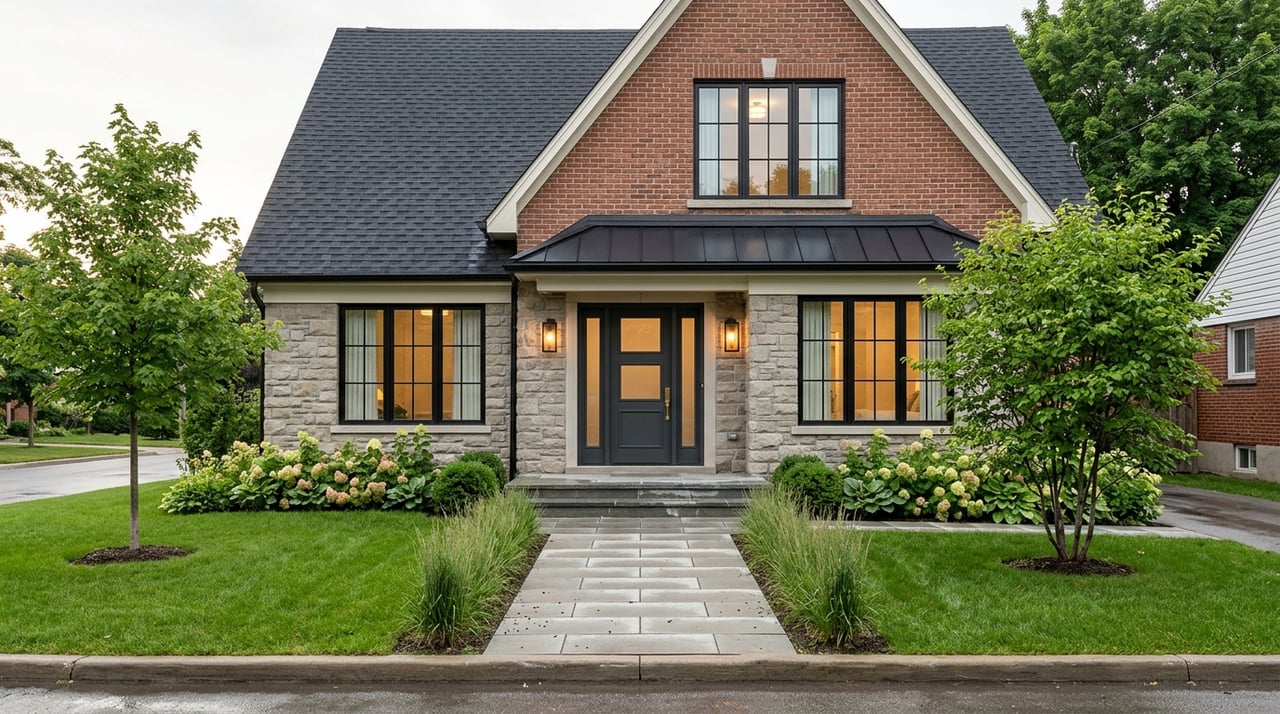
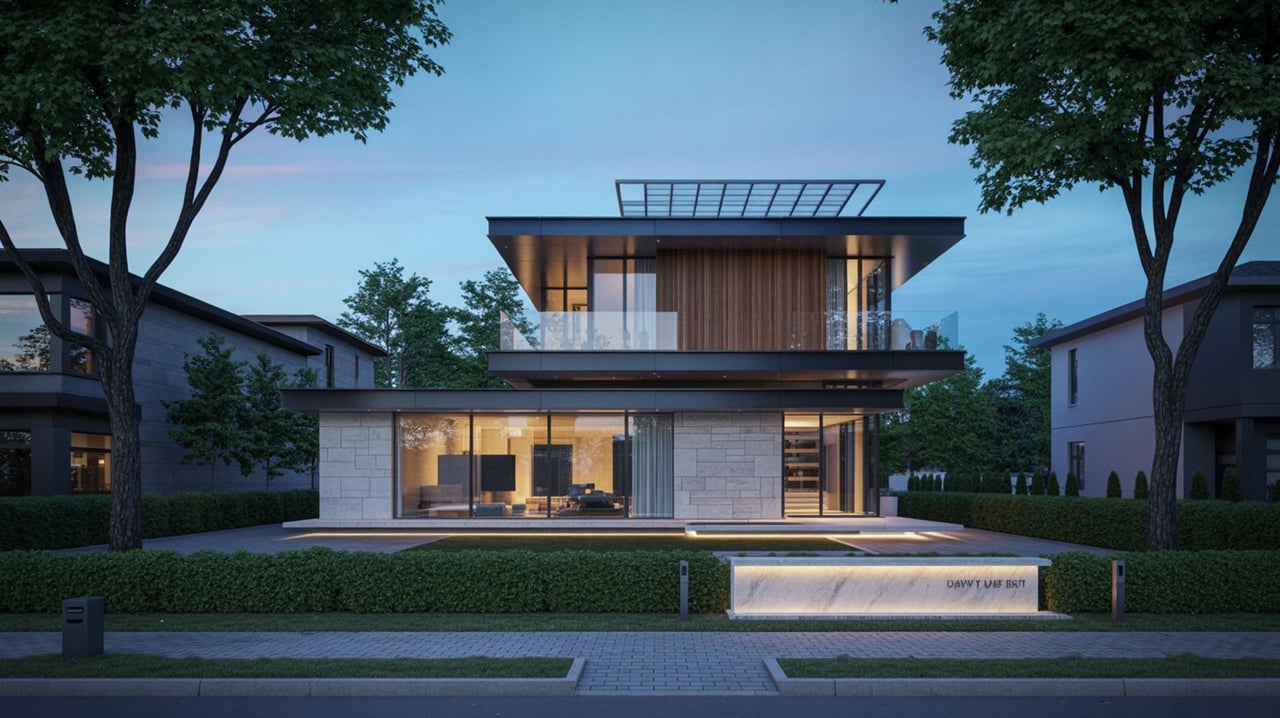
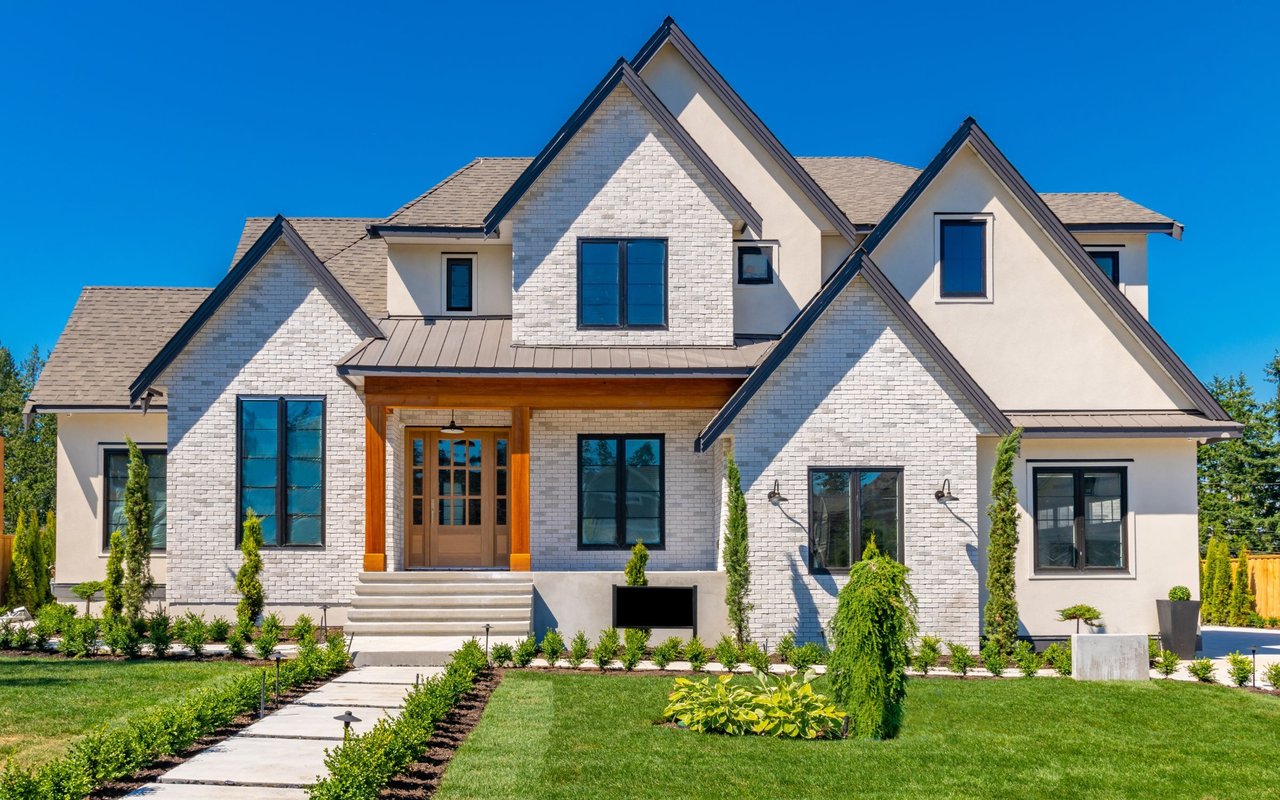
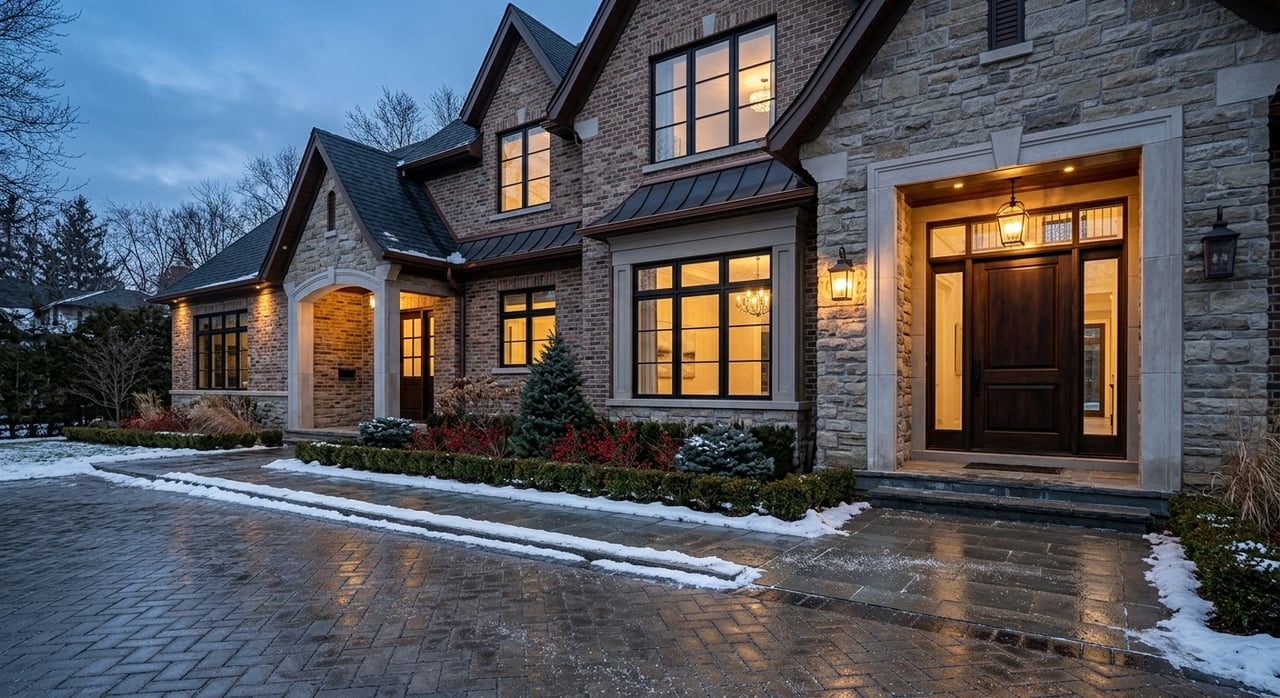
For Bayview Glen investors, the most rental-friendly homes are usually the ones that feel easy to live in. In this market, that often means detached homes, semis, and townhouses with efficient layouts and enough space for day-to-day routines.
That aligns with Richmond Hill’s housing stock and household patterns. Citywide, 54.3% of homes are single-detached, 16.7% are row houses, and 48.2% of households have four or more bedrooms.
In practical terms, the strongest candidates often include:
- Detached homes with family-sized bedroom counts
- Semi-detached homes with functional living space and lower upkeep than some larger houses
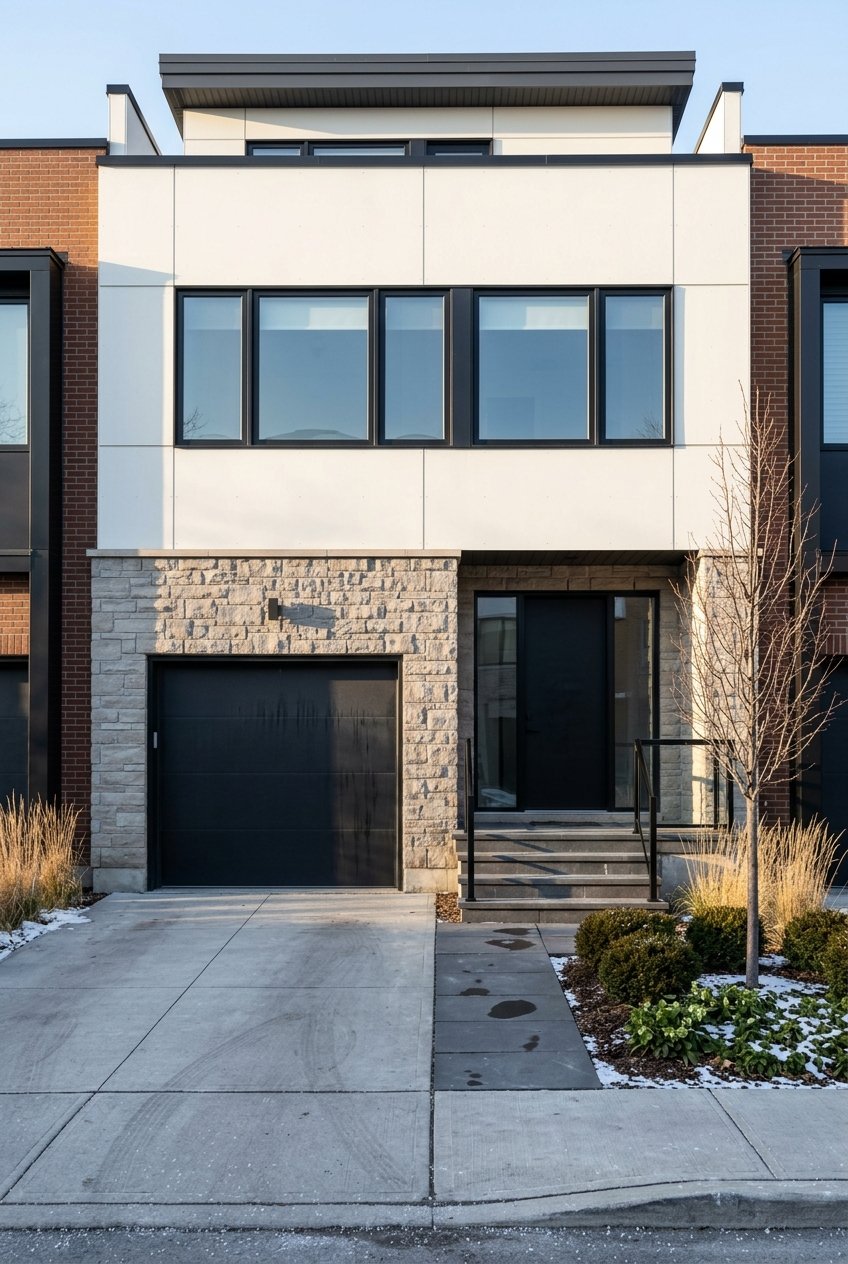
- Townhouses that offer a more accessible purchase price with usable square footage
- Homes with manageable maintenance requirements
- Homes with practical parking and storage
The common thread is usability. A property that rents cleanly to an end user today often has a stronger resale audience later.
Why Transit Adds Real Value
Transit is one of Bayview Glen’s clearest advantages for rental appeal. Richmond Hill Centre Terminal connects to Langstaff GO Station by pedestrian bridge and offers access to YRT and Viva routes, including Bayview, Yonge, and other key corridors.
The Bayview 91, 91A, and 91B routes also run along Bayview Avenue, which helps support bus-first or mixed-mode commuting. Richmond Hill GO Station adds another commuter option through local transit connections.
This matters because many residents work nearby or within the broader region. In 2021, 55% of Richmond Hill’s employed labour force worked in Richmond Hill, and 63.6% of commuters worked within York Region.
For an investor, that creates a useful takeaway: homes with practical access to transit are appealing not only to downtown commuters, but also to tenants whose daily travel stays within York Region.
Why Amenities Support Long-Term Tenancy
Commute time is only part of the rental picture. For many households, access to recreation and community infrastructure also shapes where they choose to live and whether they stay longer.
Richmond Hill offers a broad amenity base, including facilities such as Bayview Hill Community Centre and Pool and Richmond Green Sports Centre and Park. For renters looking for a home rather than just a place to sleep, this kind of civic infrastructure can strengthen an area’s appeal.
That does not mean every tenant will choose Bayview Glen for the same reason. It does mean the area offers the kind of everyday convenience that tends to support stable occupancy.
Holding Strategy Versus Yield Chasing
Bayview Glen looks better suited to a long-term hold strategy than a short-term, high-yield thesis. Richmond Hill notes that the city does not have a significant tourism industry, so short-term accommodations are a limited factor in the local housing supply.
At the same time, the rental backdrop has remained relatively tight. Richmond Hill’s Housing Needs Assessment reported a 1.0% primary rental vacancy rate in 2023, well below the 3% level it considers healthy.
CMHC’s broader York survey zone showed a 3.3% vacancy rate in October 2025, with average rent of $1,864 and median rent of $1,850. Conditions are not uniform across every property type and location, but the larger picture still supports the idea of durable rental demand.
How Price Point Shapes Your Strategy
Product choice has a major impact on carrying costs and your exit options. Richmond Hill’s February 2025 benchmark prices were about $1.87 million for single-family detached homes, $889,400 for townhouses, and $606,800 for condominiums.
That spread means your ideal investment is not just about what rents well. It is also about what you can hold comfortably, improve if needed, and eventually sell into a likely buyer pool.
Here is a simple way to think about it:
| Property type | Main advantage | Main consideration |
|---|---|---|
| Detached home | Strong family appeal and broad resale audience | Highest carry cost |
| Townhouse | More accessible entry point with practical space | Layout and maintenance still matter |
| Condominium | Lower entry price | May be less aligned with Bayview Glen’s strongest family-housing demand |
For many investors, townhouses and well-designed semis can offer a balanced path. Detached homes can also perform well, but your numbers need to support a longer-term hold.
What to Look For Before You Buy
In Bayview Glen, the best rental-friendly homes are usually not the flashiest ones. They are the homes that make daily life easier for a tenant and remain attractive to a future buyer.
As you evaluate options, focus on these basics:
- A layout with enough bedrooms for the likely tenant profile
- Functional parking for households with one or more vehicles
- Reasonable maintenance demands
- A home that feels adaptable for both renters and future owner-occupiers
- Access to transit and everyday amenities
- A price point that fits your holding strategy
Richmond Hill’s housing stock is also relatively modern, with 44.4% of dwellings built since 2001 and only 3.7% requiring major repairs. That can help reduce risk when compared with older housing markets where deferred maintenance is more common.
Why Future Resale Still Matters
Even if you are buying for rental income, you should think like a future seller from day one. Bayview Glen’s strongest investment case comes from homes that work for tenants now and still appeal to owner-occupiers later.
That is one reason standard family housing tends to stand out here. It fits the area’s planning framework, matches Richmond Hill’s large share of bigger households, and gives you more than one possible exit path.
There is also a longer-term transit story in the background. Metrolinx’s planned Yonge North Subway Extension is expected to extend Line 1 north to Richmond Hill, with Bridge Station designed to connect to YRT buses and Langstaff GO. For homes near the Yonge corridor, that may act more as a future resale tailwind than an immediate rent driver.
A Practical Bayview Glen Investment Lens
If you strip away the hype, Bayview Glen reads as a stable, commuter-friendly, family-oriented hold. Its appeal comes from low-rise housing, practical transit access, civic amenities, and a rental market that has remained structurally tight.
For you, that means the goal is not to chase the most aggressive headline return. The better play is often to buy a home that leases well, carries sensibly, and still looks attractive when it is time to sell.
If you want help evaluating which Bayview Glen homes fit that profile, Kevin Lin Realty can help you assess local demand, compare property types, and build a strategy around long-term value.
FAQs
What types of homes are most rental-friendly in Bayview Glen?
- Detached homes, semis, and townhouses with efficient layouts, enough bedrooms, functional parking, and manageable maintenance tend to be the most practical fit for long-term renters in Bayview Glen.
Is Bayview Glen better for long-term rentals or short-term rentals?
- Based on Richmond Hill’s rental conditions and limited tourism profile, Bayview Glen appears better suited to long-term rentals than a short-stay investment strategy.
Why does transit matter when investing in Bayview Glen?
- Bayview Glen benefits from access to Richmond Hill Centre Terminal, Langstaff GO connections, Bayview Avenue bus service, and wider York Region commuting links, which can make the area more appealing to renters.
Are townhouses a good investment option in Bayview Glen?
- Townhouses can be a strong option if you want a more accessible entry price than a detached home while still offering the practical space many renters look for in this part of Richmond Hill.
What should you check before buying a rental property in Bayview Glen?
- Focus on layout, bedroom count, parking, maintenance needs, transit access, amenities, and whether the property will also appeal to future owner-occupier buyers when you eventually sell.