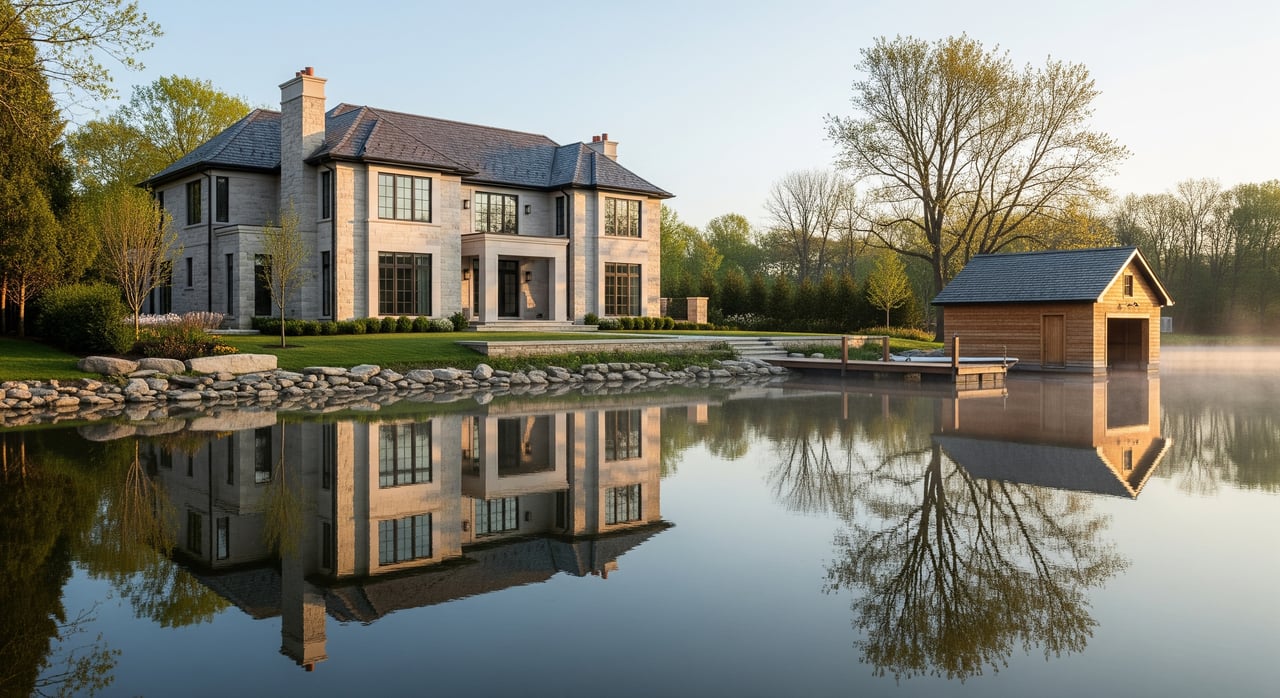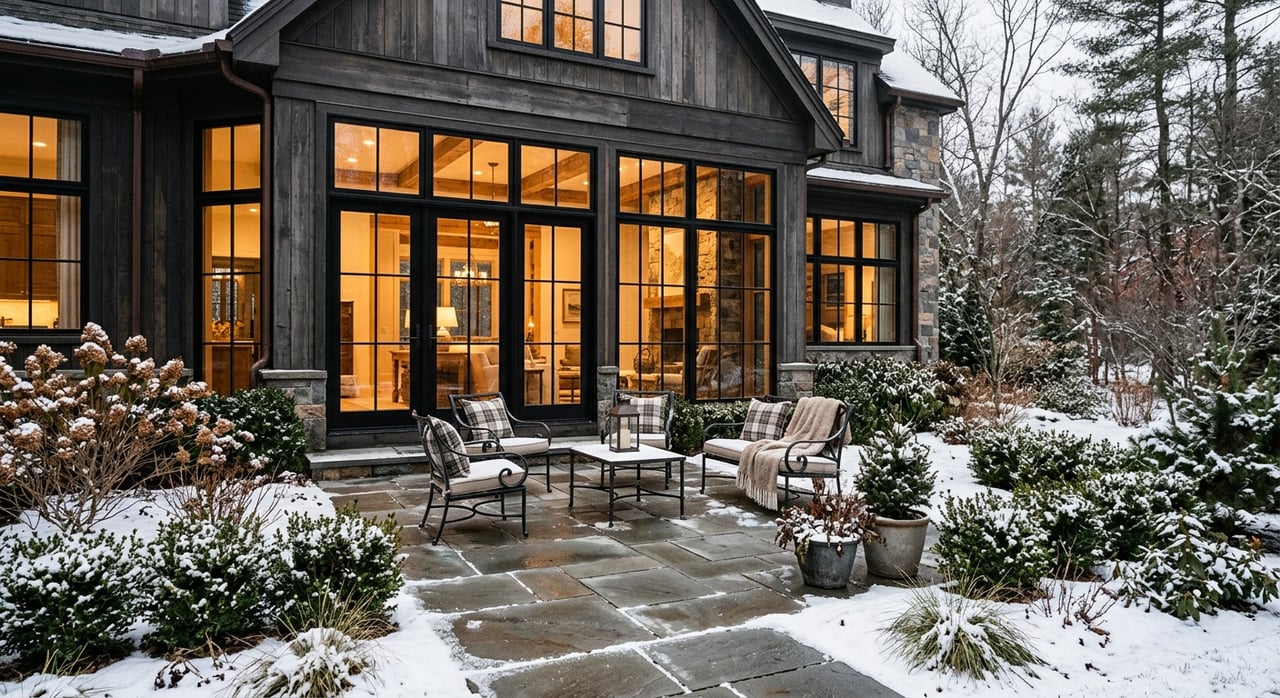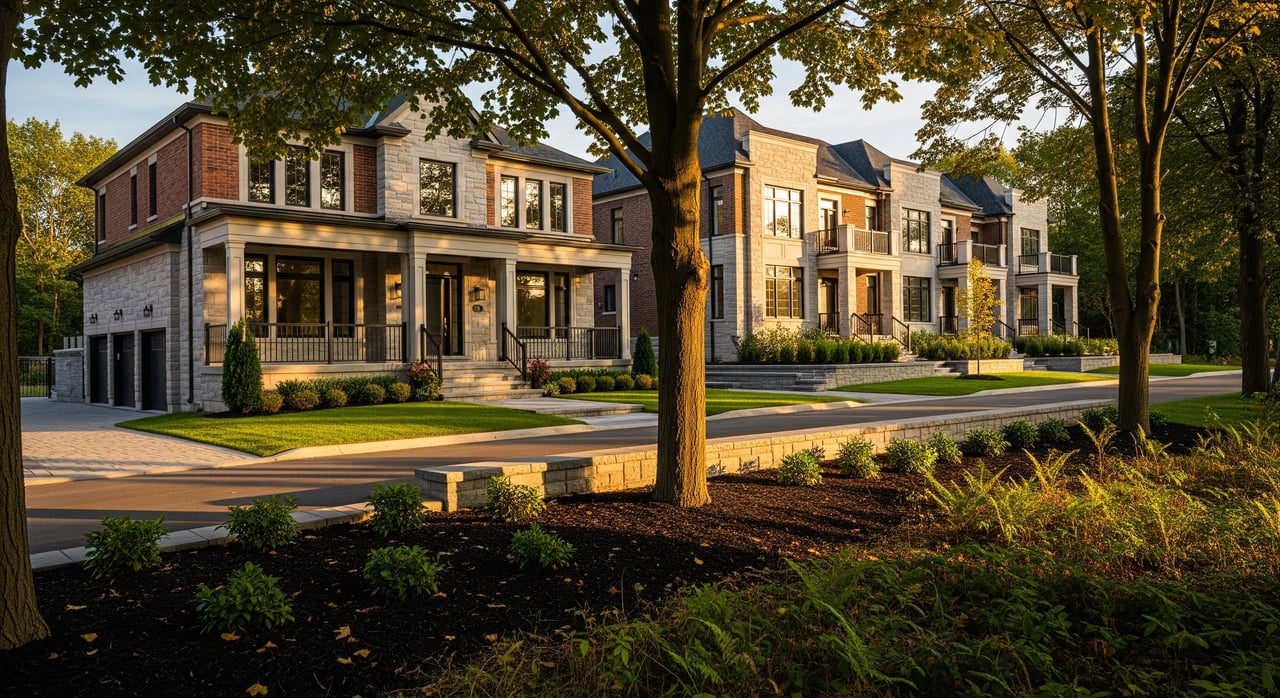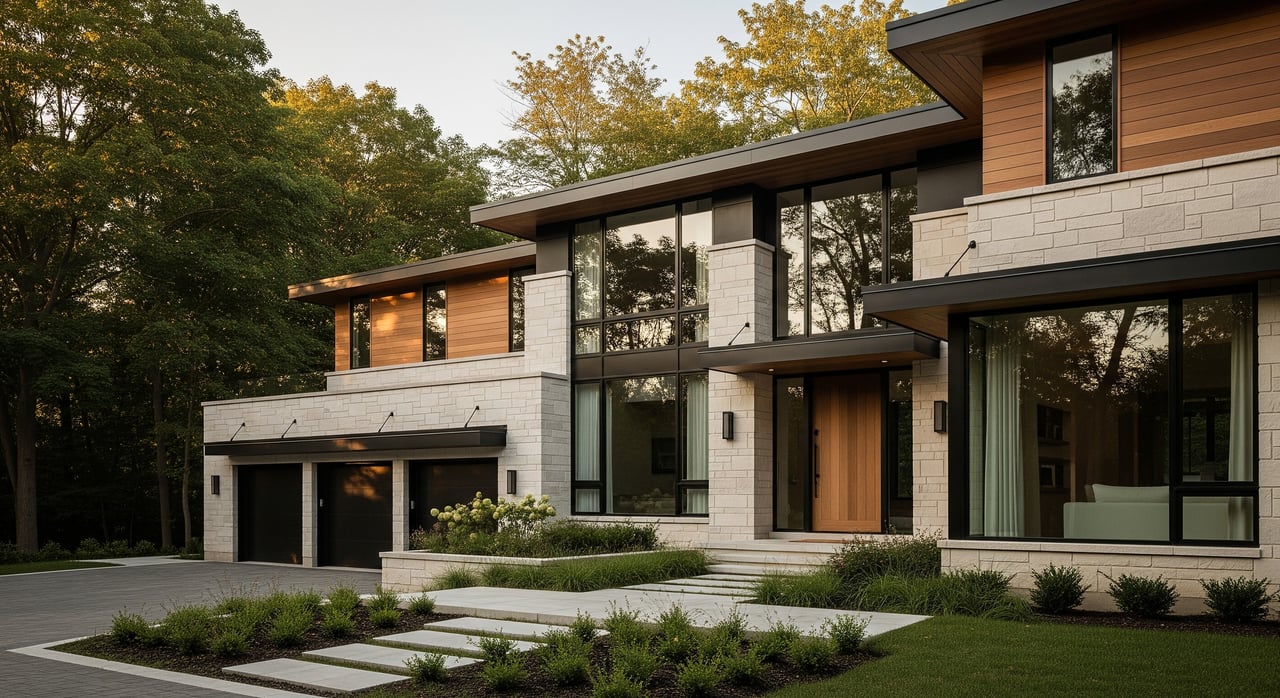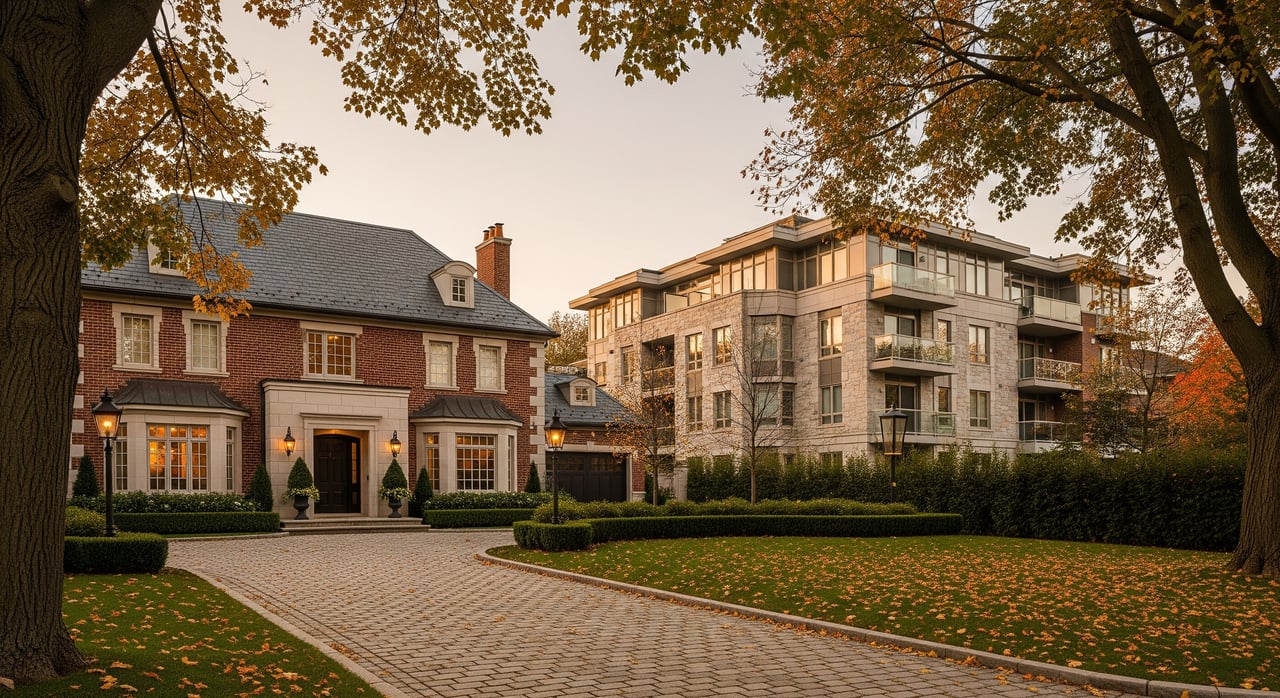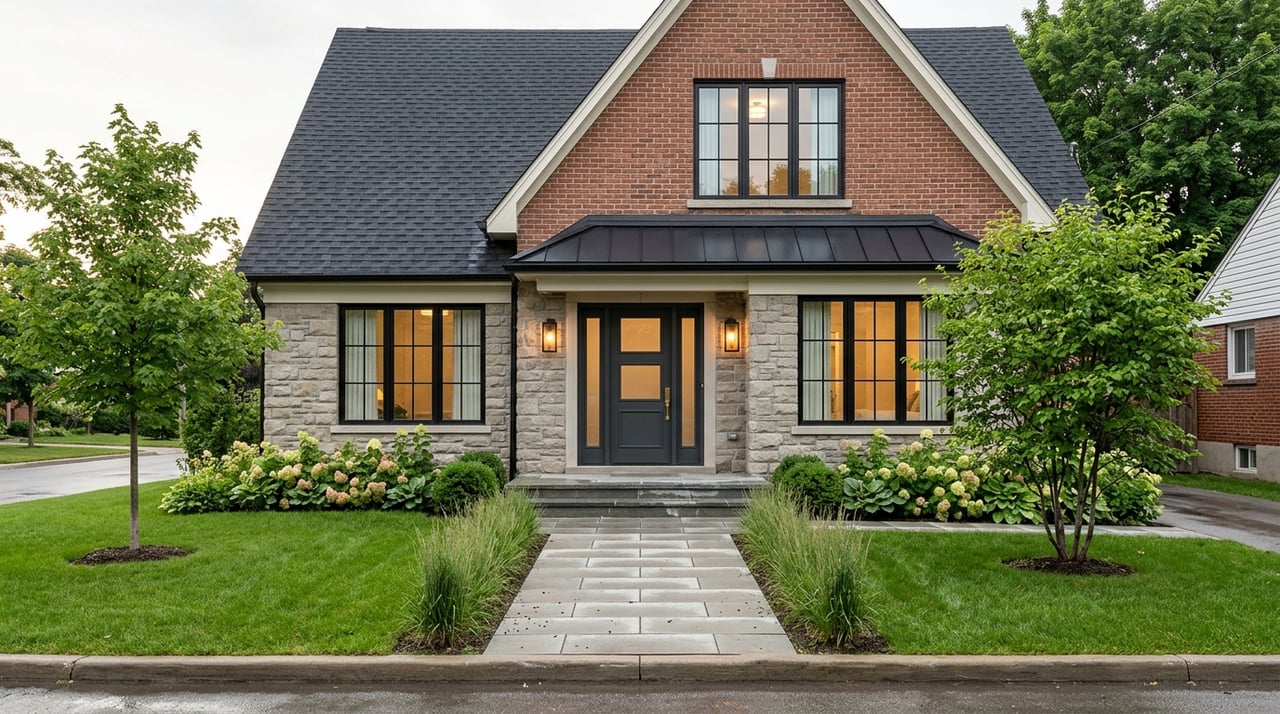
Wondering how to sell a Mill Pond character home without stripping away the details that make it special? You are not alone. Many sellers want to preserve the charm of an older home while still meeting what today’s buyers expect. The good news is that with the right prep, you can present your home as both timeless and functional. Let’s dive in.
Why Mill Pond homes need a different plan
Mill Pond is one of Richmond Hill’s historic focal points, with roots tied to the sawmill that once powered local mills. That gives the area a strong sense of place and cultural heritage. When buyers look at a home here, they often see more than square footage and finishes. They see a property within a heritage-sensitive setting.
That matters when you prepare your home for sale. A standard cosmetic checklist may not be enough, and in some cases, it may not be appropriate before you confirm the home’s heritage status. Your prep strategy should protect character, reduce buyer concerns, and support a polished market debut.
Start with heritage status
Before you plan updates, confirm whether your property is listed, designated, or unlisted through Richmond Hill’s heritage resources and heritage status process. Not every older home in the Mill Pond area is formally protected. The City notes that some properties are listed on its inventory and some are designated under the Ontario Heritage Act, but not all inventoried properties are designated.
This step matters because approval rules can change depending on status. Richmond Hill says designated properties require written municipal approval for alterations that affect heritage attributes. The City also notes that owners of listed properties must advise the municipality before demolishing or removing a building or structure.
Why this step comes first
If you skip this step, you may waste time or money on work that needs to be revised later. Even projects that do not require a building permit can still trigger heritage review if they affect protected features. Starting with the legal baseline helps you make smart, low-friction decisions from day one.
Focus on the updates buyers care about most
Today’s buyers are often drawn to homes that feel functional, efficient, and easy to maintain. Canadian buyer research shows strong demand for kitchen features, storage, and energy efficiency. High-efficiency windows, energy-efficient appliances, and an overall energy-efficient home all rank high on buyer wish lists.
That is especially important with an older character home. Buyers may happily embrace original trim, mature lots, or classic architecture, but they still want signs that the home has been cared for. Research also shows buyers are less willing to compromise on quality or energy efficiency than on size or location.
Prioritize work that reduces buyer friction
If you want to make the biggest impact before listing, start with the basics that improve how the home looks, feels, and photographs:
- Declutter each room
- Complete a deep clean throughout the home
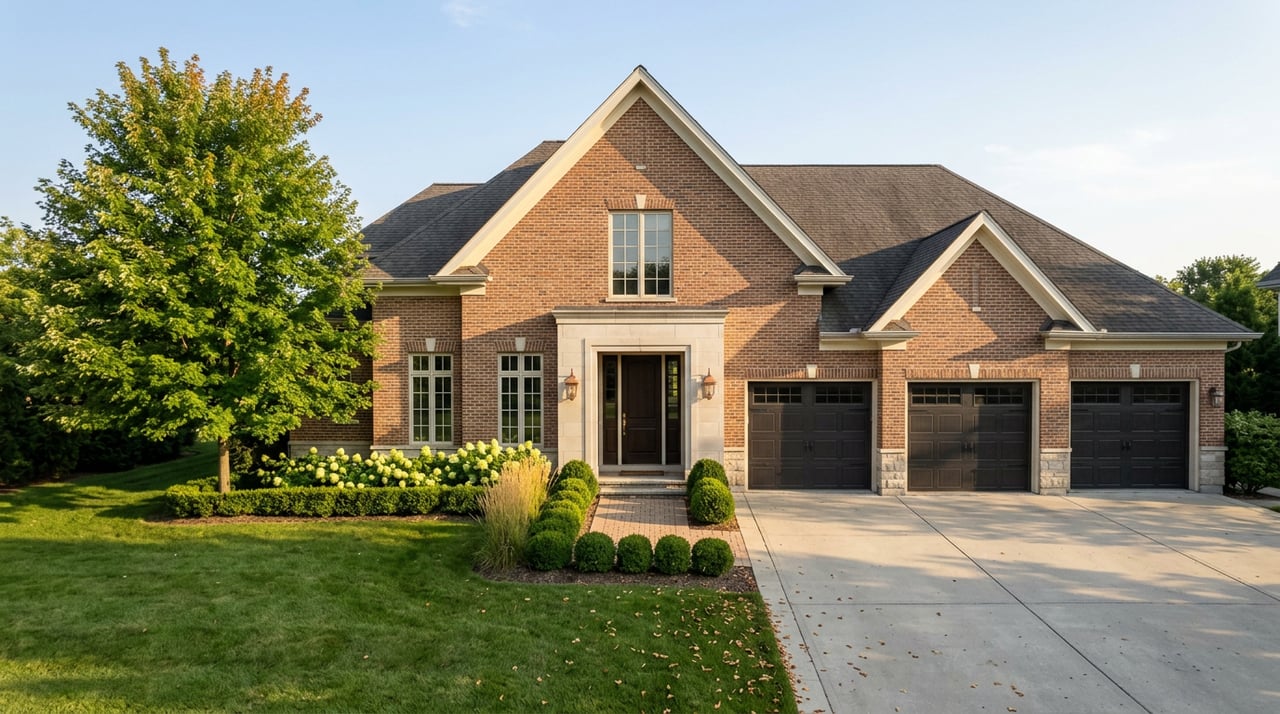
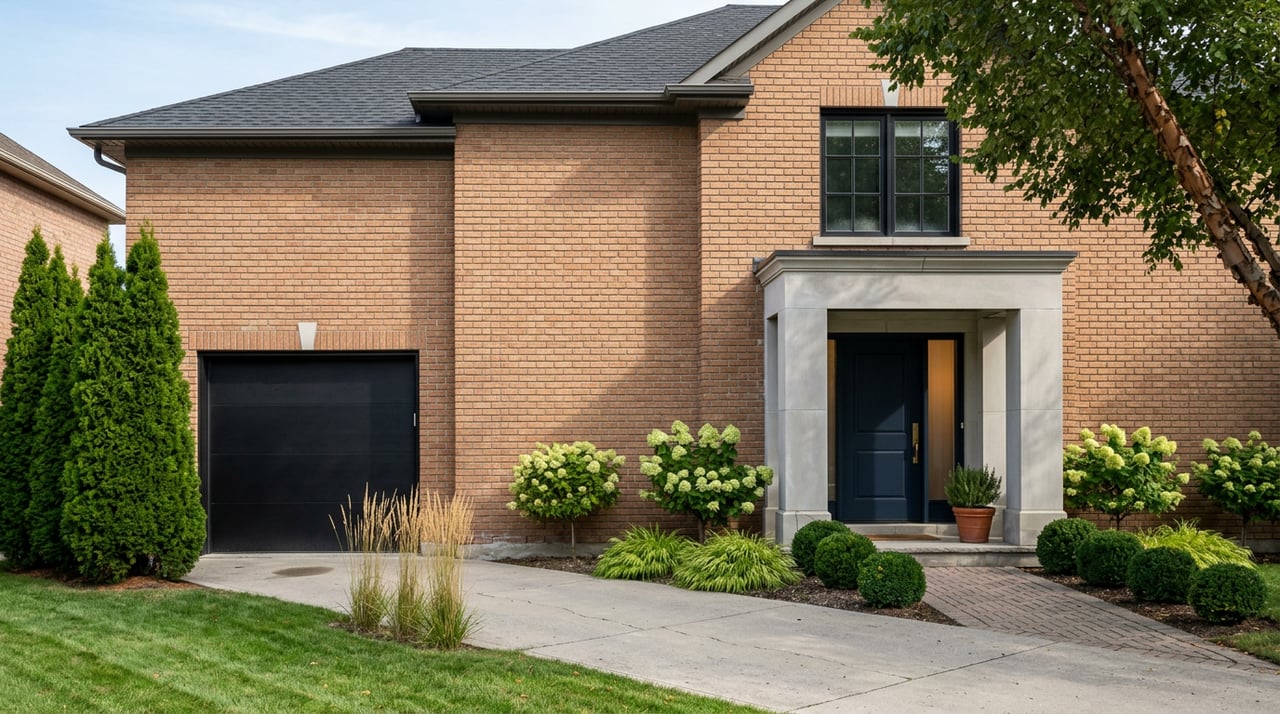
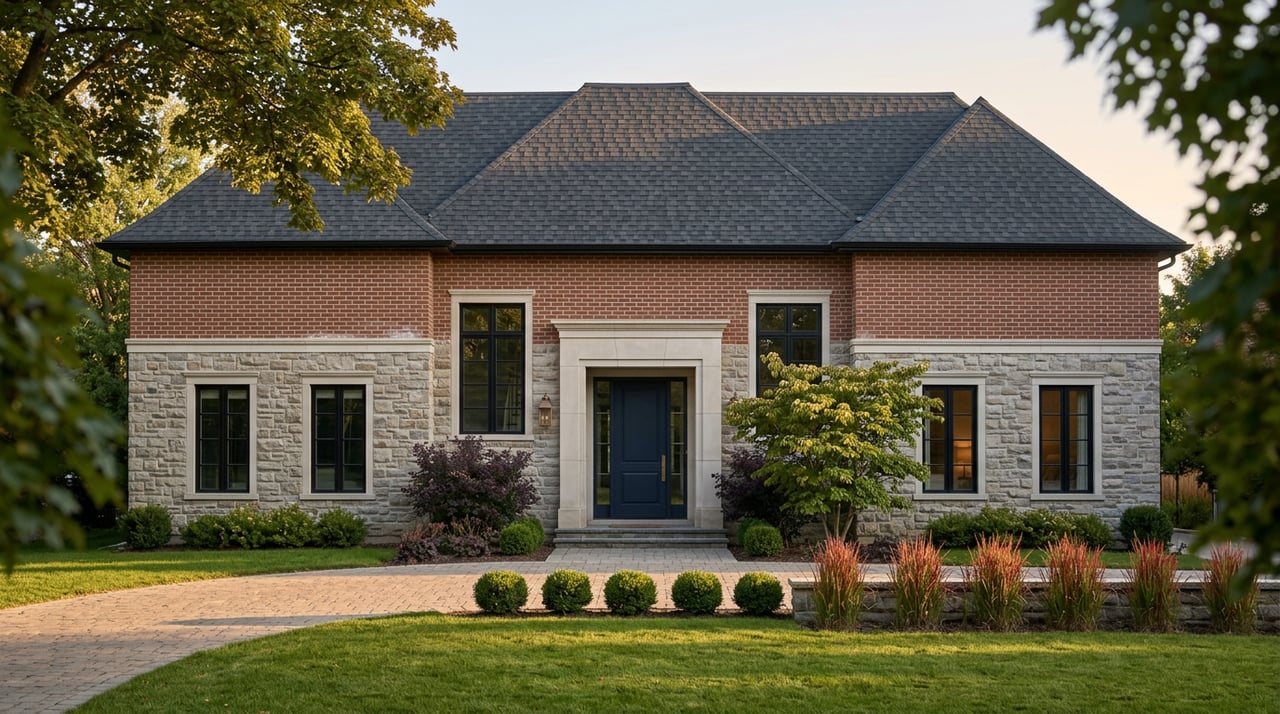
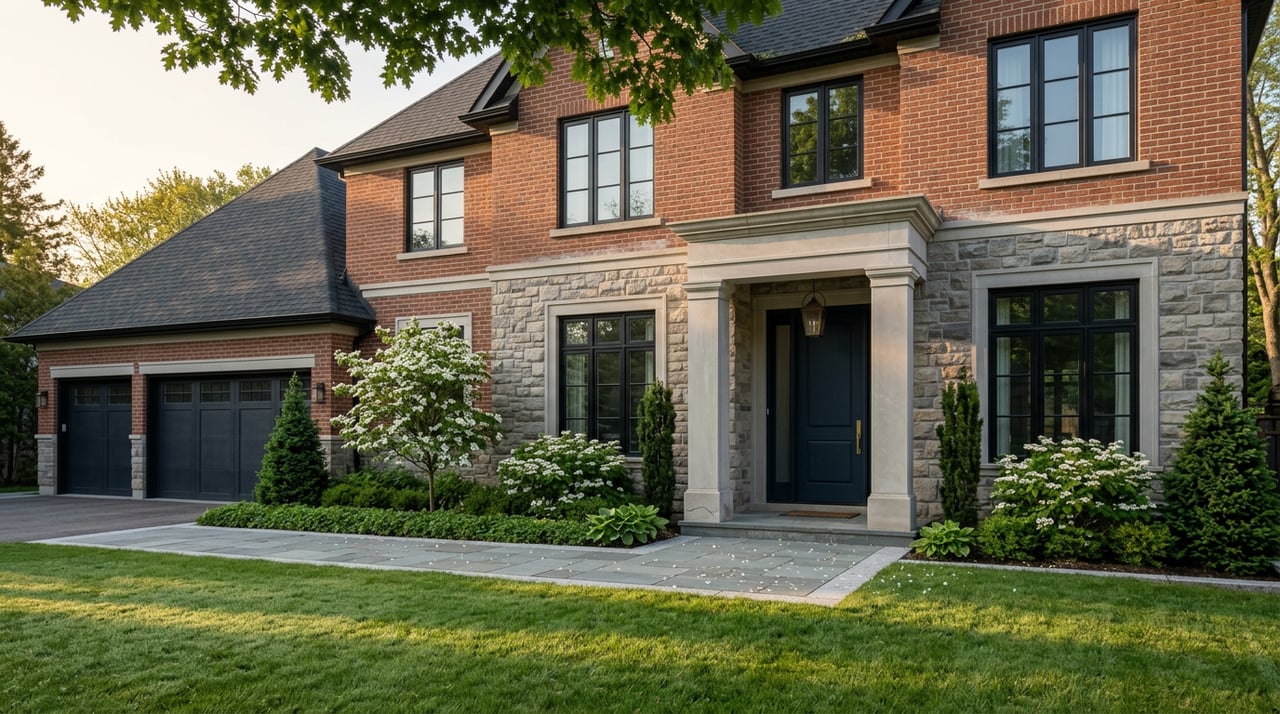
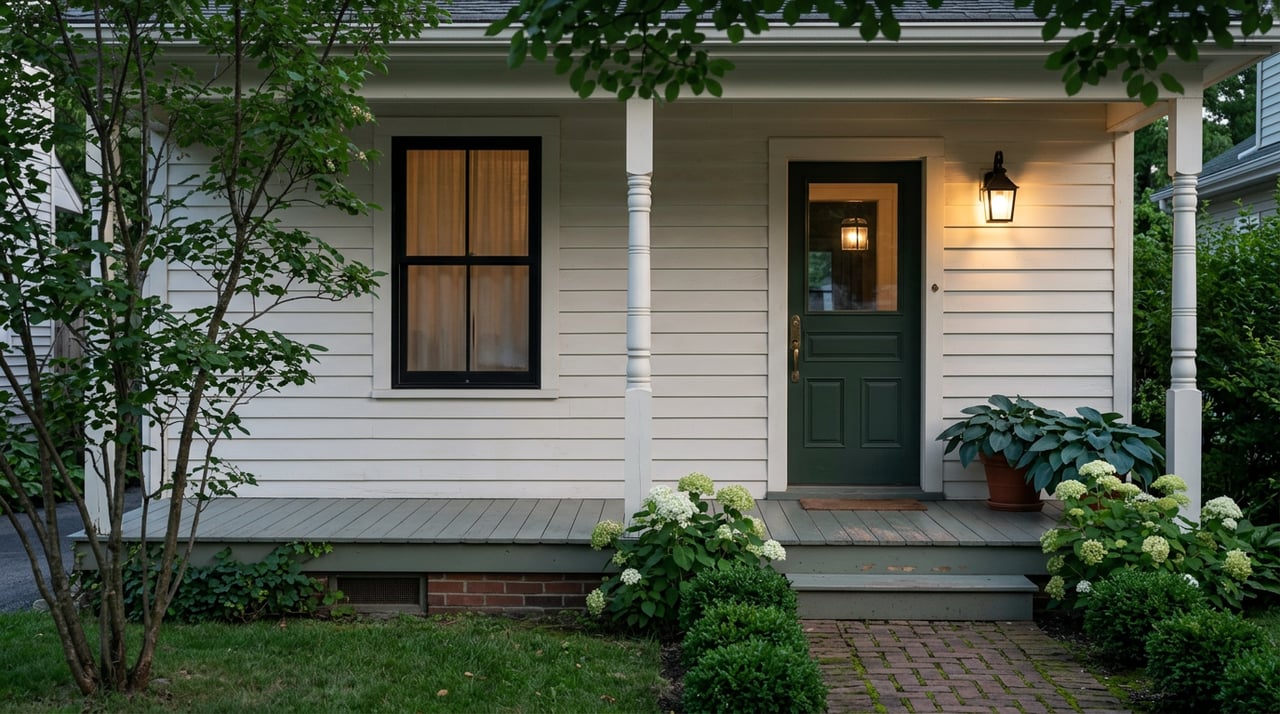
- Improve curb appeal
- Add paint touch-ups where needed
- Tackle minor repairs
- Invest in professional listing photos
These steps align with seller prep recommendations that are commonly used to help buyers picture themselves in a home. Staging research also shows that buyers respond strongly when a property feels easy to understand and emotionally inviting.
Use permit-friendly prep wisely
In Richmond Hill, many common listing prep tasks do not require a building permit. These can include painting or decorating, kitchen or bathroom cupboards, landscaping, roof shingling except clay tile roofs, eavestroughing, damp-proofing a basement, and minor brick repairs. Even so, the work still needs to comply with zoning rules.
That flexibility can be helpful if you are preparing for market on a tight timeline. Still, permit-free does not mean heritage-free. If your home is designated, any alteration that affects heritage attributes may still need heritage approval first.
Good pre-sale projects for many character homes
For many Mill Pond homes, practical cosmetic work can go a long way:
- Freshen paint in a neutral, clean palette
- Repair worn trim rather than replacing it where possible
- Refresh kitchen or bathroom cupboards if they are tired but functional
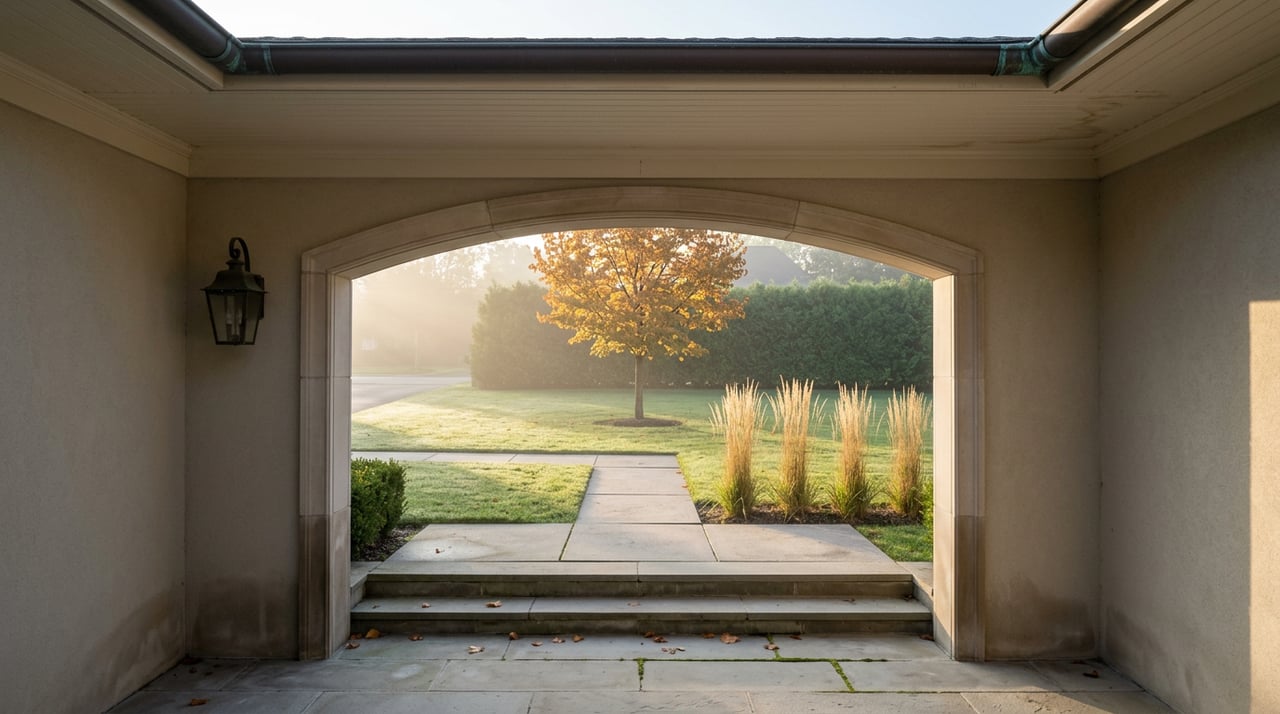
- Tidy landscaping and entry areas
- Address visible brick or exterior maintenance issues
- Make sure gutters and roof details appear well maintained
The goal is not to erase age. The goal is to show care, stability, and everyday livability.
Modernize comfort without losing character
If you are deciding where to spend money, focus on upgrades that signal comfort and lower running costs. Research from CMHC and CHBA points to features such as LED lighting, weatherstripping, insulation, smart thermostats, energy-efficient appliances, and efficient windows as improvements buyers notice.
These updates can be especially effective in an older home because they answer a common buyer question right away: Will this house feel comfortable and manageable to live in? Lower-cost efficiency upgrades may also offer a better return than highly personalized design choices.
Think refresh, not reinvention
A dated kitchen or bath does not always need a full remodel before listing. If the layout works and the structure is sound, a modest refresh can be more useful than a large project. Buyers often respond well to spaces that feel clean, functional, and ready to enjoy, even if they are not brand new.
If your home is designated, Richmond Hill’s guidance prefers repair over replacement of original features when possible. That makes it even more important to choose updates that respect the home’s character while improving daily function.
Stage the rooms that shape buyer decisions
Staging helps buyers picture how they would live in a home. According to 2025 staging research, 83% of buyers’ agents said staging made it easier for buyers to visualize a property as their future home. The same research identified the living room, primary bedroom, and kitchen as the most important rooms to stage.
For a Mill Pond character home, staging should support the architecture rather than compete with it. Clean furniture lines, balanced room layouts, and simple decor can help original details stand out while keeping the overall impression current.
What to highlight in staging
Focus on the rooms and features that help buyers connect charm with comfort:
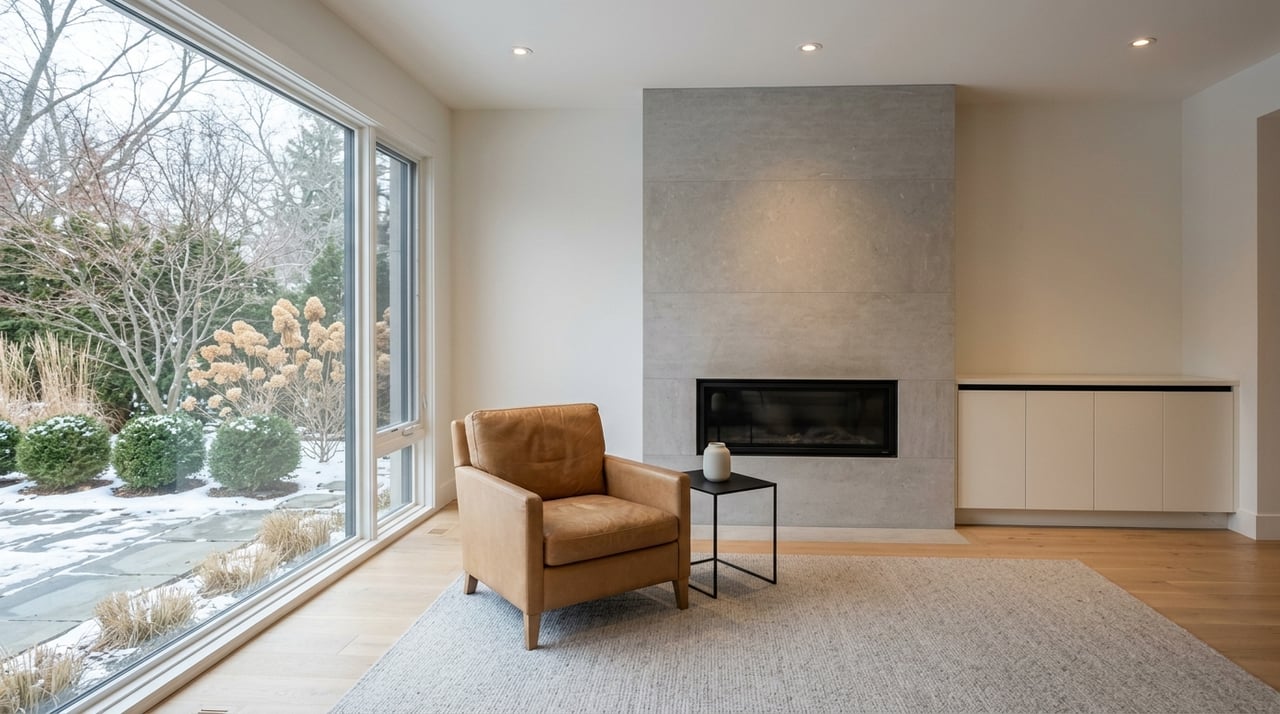
- A welcoming living room with clear function
- A calm, uncluttered primary bedroom
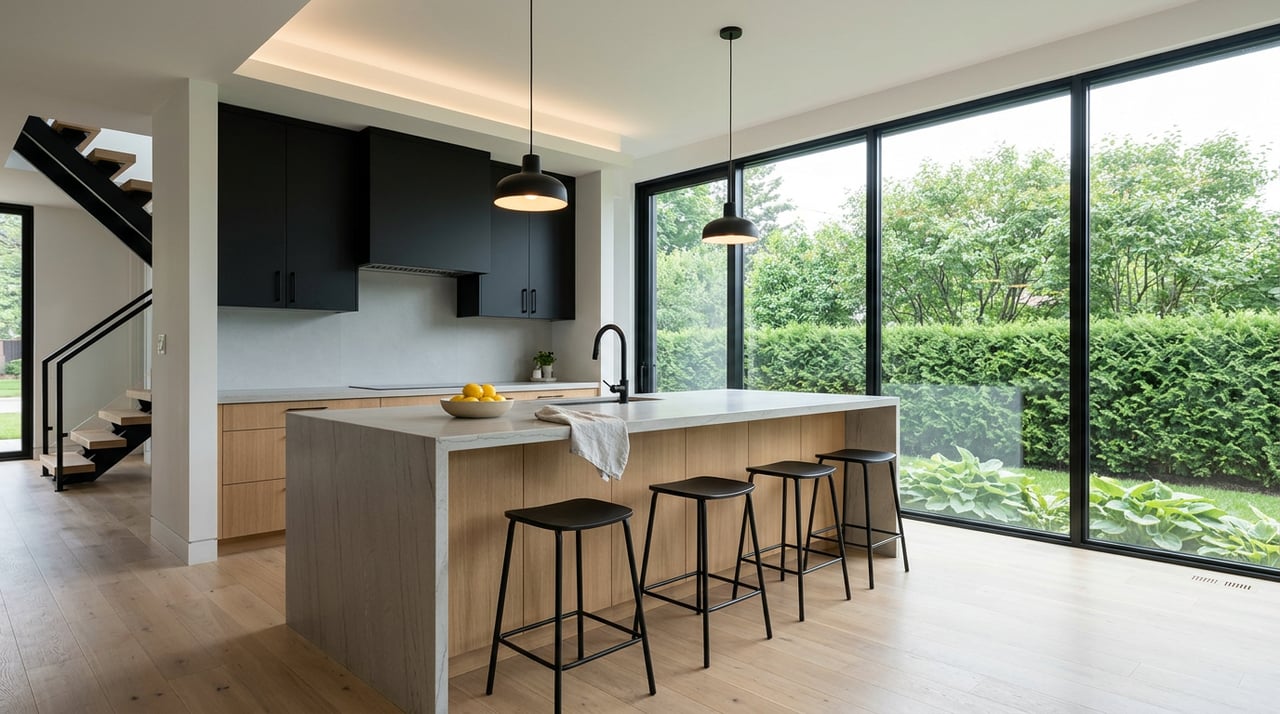
- A bright, usable kitchen
- Preserved original details in good condition
- Storage areas that feel organized
- Efficiency features that suggest lower upkeep
This is where strategy matters. A home with unique details needs presentation that feels intentional, not crowded or overly themed.
Invest in strong visuals
Buyers usually see your home online before they ever walk through the front door. That makes visuals essential. In 2025 staging research, photos were rated much more or more important by 73% of buyers’ agents and 88% of sellers’ agents. Videos, physical staging, and virtual tours also ranked highly.
For a character home, visuals should do more than document rooms. They should tell a clear story about the home’s setting, condition, and livability.
What your marketing should show
Your listing media should emphasize three things:
- Historical setting
- Visible upkeep
- Modern livability
That means showing the best-preserved original details, the most functional living spaces, and any efficiency upgrades that help the home feel current. In a place like Mill Pond, buyers respond when the home feels rooted in the area’s heritage but ready for everyday life now.
Know when to bring in specialists
Some prep work is simple. Some is worth expert help. If your home is occupied, furnished, or visually busy, a stager can help create a cleaner and more buyer-friendly presentation.
If the project touches structure, additions, basements, decks, fireplaces or chimneys, woodstoves, or HVAC or plumbing systems, Richmond Hill says permits are required. If the property is designated or potentially designated, it may also make sense to involve a heritage planner or heritage building specialist.
A simple decision guide
| Situation | Best next step |
|---|---|
| You are unsure of heritage status | Confirm status with Richmond Hill first |
| The home feels cluttered or visually busy | Use staging support |
| The work is cosmetic and minor | Complete prep work that fits local rules |
| The project involves structure or building systems | Consult the right contractor and permit process |
| The home may have protected heritage attributes | Seek heritage guidance before changes |
Position your home as heritage-forward
One of the biggest mistakes sellers make with older homes is apologizing for age instead of marketing value. A Mill Pond character home should not be framed as simply old. It should be presented as part of an established heritage environment with lasting appeal.
That story becomes more convincing when buyers can see proof. Visible maintenance, thoughtful staging, and smart efficiency upgrades help reinforce that the home offers character without unnecessary compromise. When done well, the result is a listing that feels distinctive, credible, and move-in ready.
If you are thinking about selling in Mill Pond, the best first step is a tailored prep plan based on your home’s condition, status, and likely buyer pool. For guidance on staging, renovation coordination, and a listing strategy built for Richmond Hill buyers, connect with Kevin Lin Realty.
FAQs
How do you prepare a Mill Pond character home for sale?
- Start by confirming the home’s heritage status, then focus on decluttering, deep cleaning, minor repairs, curb appeal, staging key rooms, and highlighting functional upgrades such as energy efficiency.
Do older homes in Mill Pond need heritage approval before updates?
- Some do. Richmond Hill says designated properties require written approval for alterations affecting heritage attributes, so you should confirm whether the home is listed, designated, or unlisted before making changes.
What updates do today’s buyers want in a Mill Pond older home?
- Buyers respond strongly to functional kitchens, storage, visible maintenance, and energy-efficient features such as efficient windows, appliances, insulation, weatherstripping, LED lighting, and smart thermostats.
What pre-listing work in Richmond Hill often does not need a building permit?
- Common tasks that often do not require a permit include painting or decorating, cupboard updates, landscaping, eavestroughing, damp-proofing a basement, some roof shingling, and minor brick repairs, though zoning and heritage rules may still apply.
Which rooms matter most when staging a Mill Pond character home?
- Staging tends to matter most in the living room, primary bedroom, and kitchen because those are the spaces buyers most often use to judge comfort, function, and overall livability.
How should a Mill Pond character home be marketed to buyers?
- The strongest approach is to present the home as heritage-forward, with a story built around historical setting, visible upkeep, strong photos, and modern livability.