If you want your first investment property to balance commuter convenience, everyday amenities, and long-term livability, Maple deserves a close look. At the same time, buying your first rental in the GTA is rarely as simple as picking a popular suburb and waiting for values or rents to rise. You need to understand supply, rental demand, local rules, and where Maple fits within York Region before you commit. Let’s dive in.
Maple’s investment profile
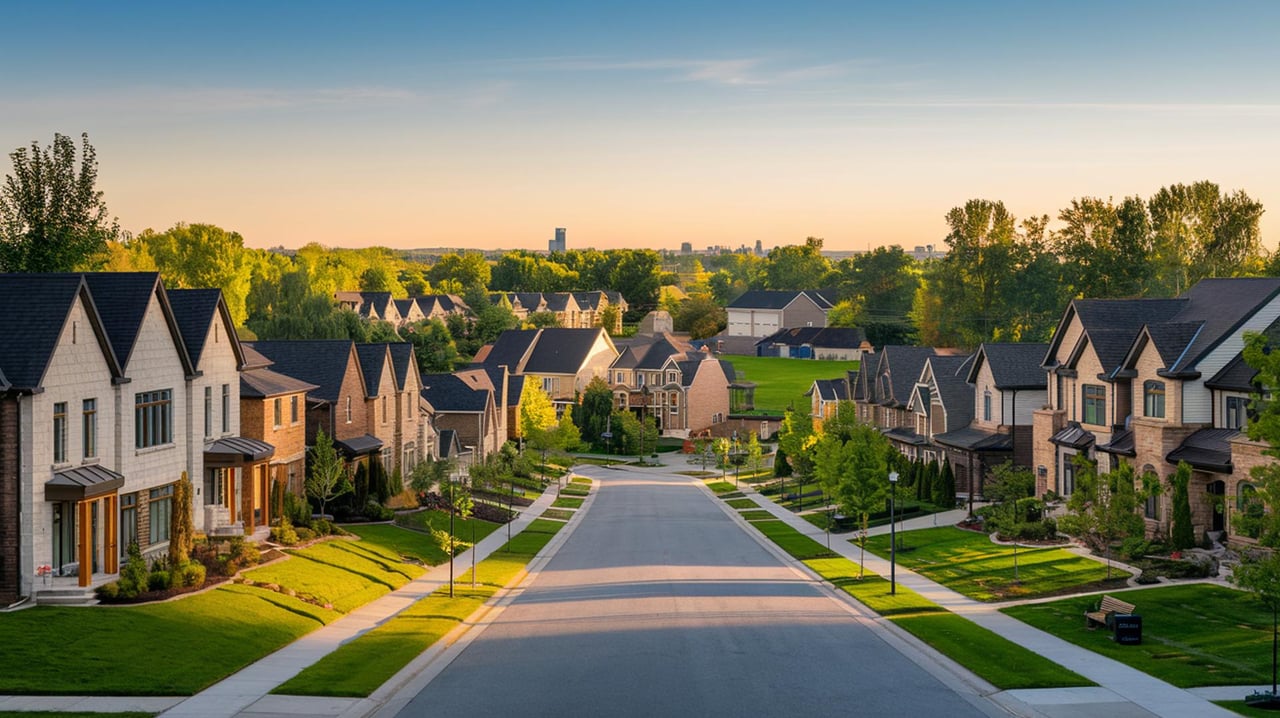
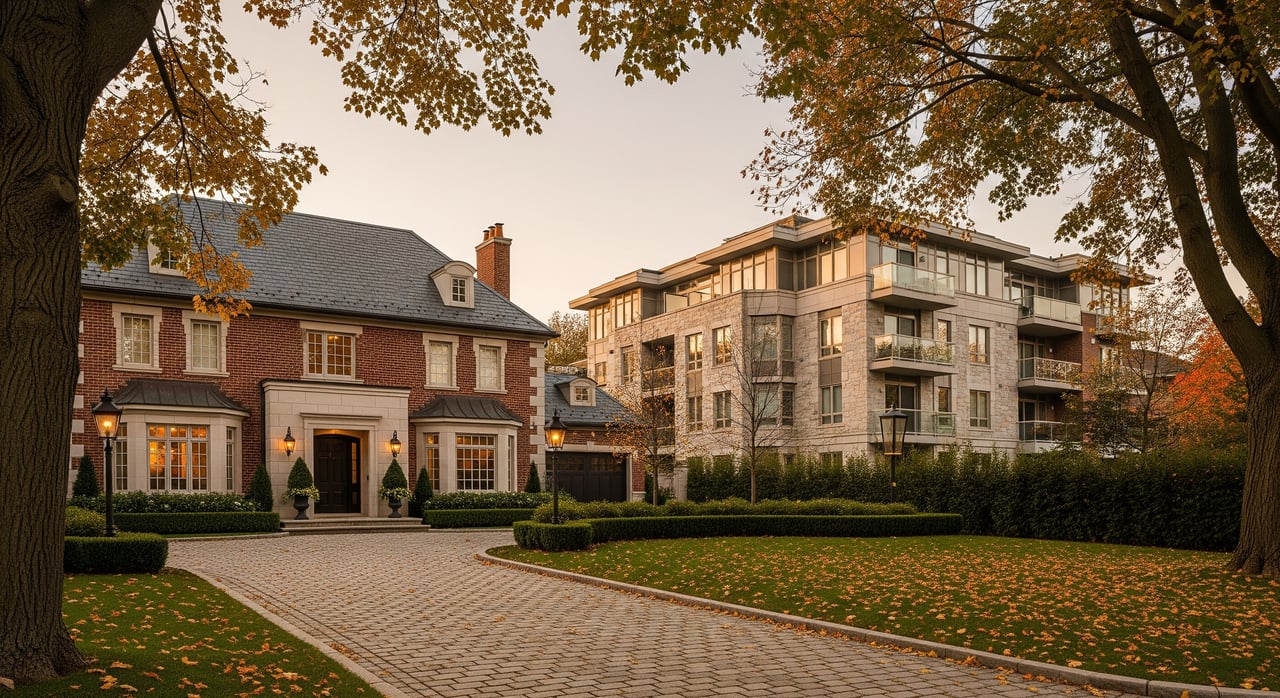
Maple is one of Vaughan’s established communities, not a blank-slate growth area. The City of Vaughan describes it as a mature community that can accommodate gentle growth while preserving local character, which matters if you are looking for a suburb with an existing residential base rather than a purely speculative play.
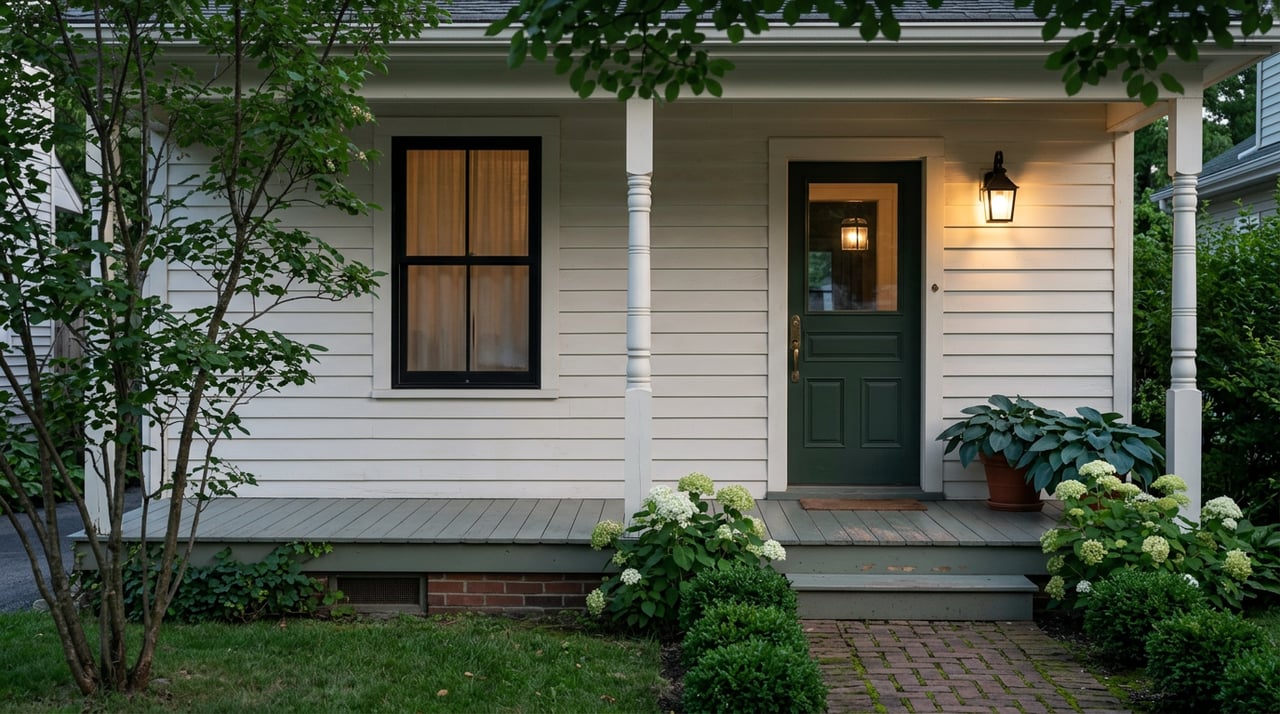
That established feel is especially visible around the historic Maple area near Keele Street and Major Mackenzie Drive. The City identifies this area as part of the historic village of Maple, with a low-rise streetscape and many older single-detached homes. For you as an investor, that can mean a more stable neighborhood pattern, but also more planning sensitivity in certain pockets.
Why first-time investors consider Maple
Maple offers a mix that many first-time investors want: suburban housing, commuter access, and daily-use amenities. It is not as dense as some other GTA rental nodes, but it is also not cut off from transit or future development.
The main transit anchor is Maple GO Station at 30 Station Street. GO Transit lists bike racks, 1,344 free customer parking spaces, local York Region Transit connections, and staffed weekday hours, while YRT also offers on-request weekday service linking fixed addresses in the service area to Maple GO or Rutherford GO. If your future tenant values access to regional commuting options, that is a practical plus.
The station area may also support longer-term interest from investors. The City’s Maple/GO Secondary Plan signals intended mid-rise mixed-use development around the station, with both residential and commercial uses. That does not guarantee immediate upside, but it does suggest ongoing intensification near transit rather than stagnation.
Property types that make sense
For a first investment property in Maple, there are usually three practical categories to focus on:
- Condo or condo-townhouse near transit
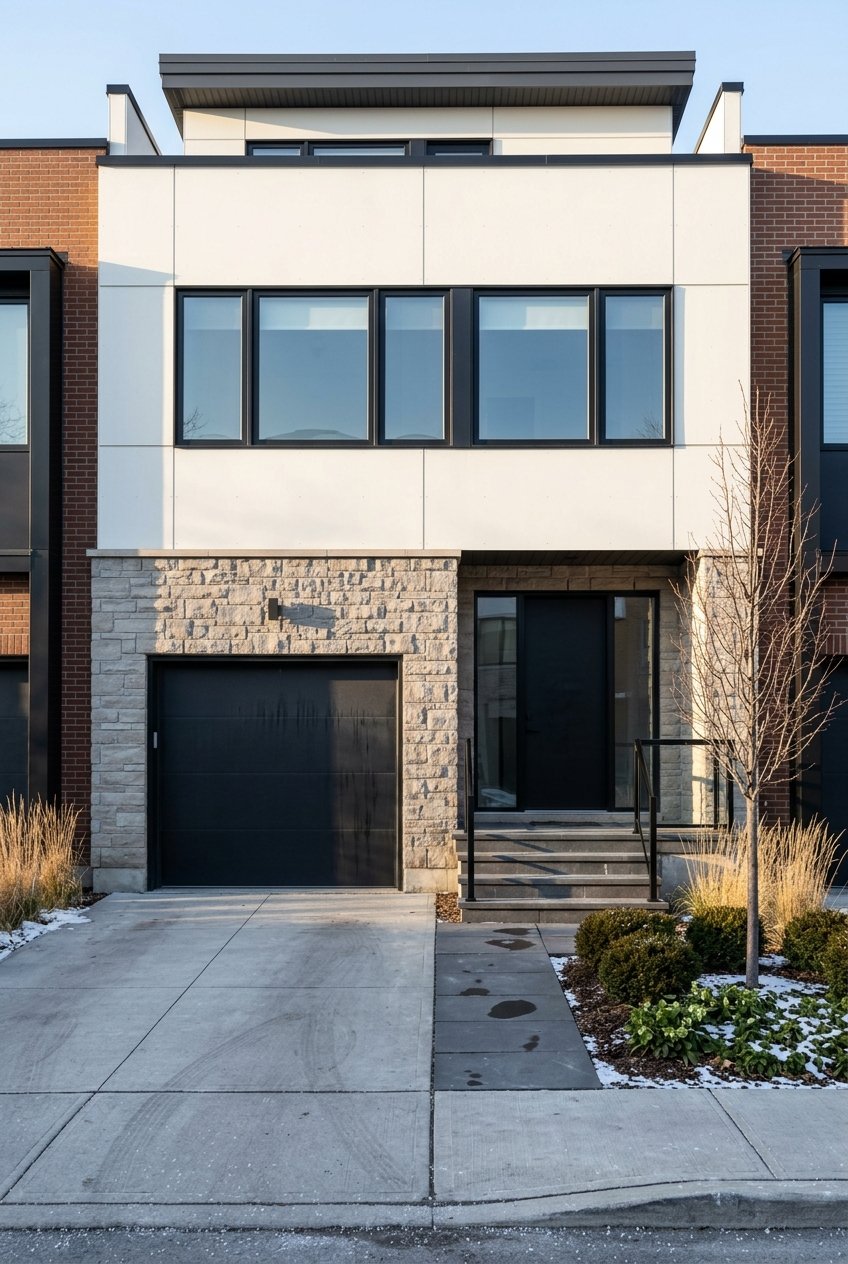
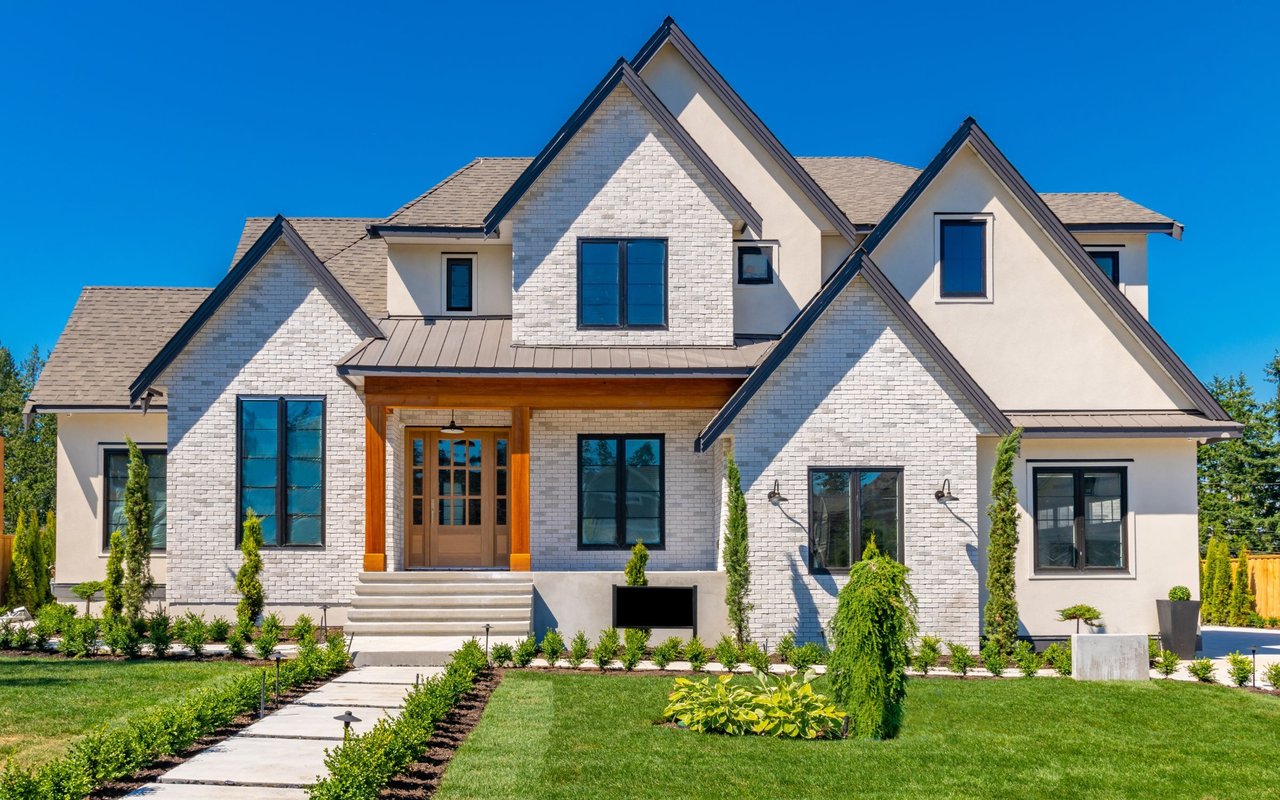
- Freehold townhouse or semi-detached home
- Detached home with a legal secondary suite, if zoning and building requirements allow
These options line up with Vaughan’s broader housing profile. Vaughan’s official plan notes that the housing stock is still mostly owner-occupied single- and semi-detached homes, even though townhouses, stacked townhouses, and multi-unit buildings have grown over time.
That matters because Maple is not a market dominated by purpose-built rental towers. Vaughan’s official plan says only 10% of the city’s housing stock is rental, and York Region reports that much of the region’s rental supply comes from secondary ground-related housing and condominium rentals rather than large private rental buildings. In plain terms, many rentals in this market are investor-owned homes, townhouses, and condos.
Rental demand in Maple
Maple has the kind of practical amenities that often support suburban rental demand. The City identifies facilities such as Maple Community Centre and North Maple Regional Park, and Vaughan’s official plan supports distributing everyday community uses like parks, libraries, and community facilities throughout community areas to reduce daily travel needs.
For you, that means Maple’s rental appeal is tied less to a downtown lifestyle pitch and more to convenience. Tenants may be drawn to a location that supports commuting, errands, recreation, and day-to-day routines without needing long cross-city trips.
The broader rental market is still relatively tight, but it has softened. CMHC reported a 3.0% purpose-built rental vacancy rate across the GTA in 2025, while the Richmond Hill, Vaughan, and King submarket was at 2.4%. That suggests Maple sits in a market that still has limited rental slack compared with some areas, though it is no longer as tight as it was when vacancy stayed below 2% in York Region.
What tempers the investment case
A first rental property should work on realistic assumptions, not best-case scenarios. CMHC reported that 2025 was a softer rental year, with lower rents for many new leases and more incentives such as free rent or signing bonuses.
That does not make Maple a poor choice, but it does mean you should be careful about assuming quick rent growth. If your numbers only work with aggressive annual increases, your margin for error may be too thin.
Affordability is another important lens. CMHC said the average earner in the GTA still needed to spend 42% of after-tax income to rent a vacant one-bedroom unit. That shows tenant budgets remain stretched, which can affect what the market will realistically bear.
Maple’s biggest risks for first-time investors
High entry costs
York Region reports that average resale home prices in the region rose almost three times as fast as family income between 2014 and 2024. That is a reminder that buying in Maple may require a larger financial cushion than many first-time investors expect.
If your strategy depends mainly on appreciation, be careful. High prices can limit cash flow flexibility, especially if financing, maintenance, and vacancy costs are tighter than planned.
New supply pressure
York Region’s development pipeline shows Vaughan with thousands of registered and draft-approved units. Compared with smaller municipalities, that is a fairly active pipeline, though still not as heavy as Markham’s.
For you, this means Maple sits in a middle-ground market. There is meaningful activity and growth, but also enough future supply that you should not assume a one-way path for rents or resale values.
Rules and compliance
Ontario requires the standard lease for most residential tenancies signed on or after April 30, 2018. The province also says most new units first occupied after November 15, 2018 are exempt from rent control.
Those details can materially affect how you underwrite a property. The right lease structure and the property’s occupancy history matter, so a first-time investor should review those specifics carefully before closing.
Short-term rental limits
If you are thinking about an Airbnb-style model, Maple is usually not the best fit. Vaughan allows short-term rentals only in a principal residence and requires a licence.
That means a pure investor-owned short-term rental strategy is generally not the straightforward play here. Maple is better suited to long-term or medium-term rental thinking than to a non-owner-occupied short-term rental model.
Heritage-area constraints
If you buy in or near Maple’s historic core, planning restrictions may be more involved. The City says Heritage Conservation Districts are used to manage and guide change, and Maple’s district includes the historic village area along Keele Street and Major Mackenzie.
If your strategy includes additions, exterior alterations, or redevelopment, expect more municipal review than you would in a typical subdivision setting. That is not necessarily a deal-breaker, but it can affect timelines, renovation scope, and budget.
Is Maple better than other York Region options?
Maple sits in an appealing middle position within York Region. It offers commuter access, established amenities, and a relatively tight rental setting, but it does not carry the same development scale as the heaviest pipeline markets.
That balance can be attractive if you want a first investment property in an established suburban area rather than a highly speculative growth pocket. On the other hand, if your goal is rapid rent growth, fully passive ownership, or short-term rental income, Maple may not be the ideal match.
In practical terms, Maple may suit you if you value:
- An established Vaughan community
- Access to Maple GO and local transit links
- Housing types that include condos, townhomes, and detached homes
- A long-term rental strategy
- A market with steady fundamentals rather than pure hype
Who Maple may fit best
Maple can make sense for a first-time investor who wants a property with broad everyday appeal and a more conservative suburban thesis. That often means focusing on homes or units that are easy to lease, reasonably close to transit, and supported by daily-use amenities.
It may be especially worth considering if you are open to holding through normal market cycles instead of chasing a quick win. A well-bought condo-townhouse, freehold townhouse, or compliant suite property may offer a more practical entry point than stretching for a detached home with thin numbers.
Final take on Maple
So, is Maple the right GTA suburb for your first investment property? It can be, especially if you want an established Vaughan location with transit access, community amenities, and a rental market that remains relatively tight by GTA standards.
The key is to buy with discipline. Maple looks stronger as a long-term rental market than as a short-term rental play, and it rewards careful property selection more than aggressive assumptions about rent growth or appreciation.
If you want help comparing Maple with other York Region investment options, analyzing cash flow, or identifying the right fit for your first purchase, Kevin Lin Realty can guide you with a data-driven, high-touch approach tailored to your goals.
FAQs
Is Maple in Vaughan a good place for a first investment property?
- Maple can be a solid option if you want an established Vaughan community with transit access, everyday amenities, and housing types that fit long-term rental strategies.
What property type is best for first-time investors in Maple?
- Many first-time investors start by comparing condos, condo-townhouses, freehold townhouses, semis, or detached homes with legal secondary suites, depending on budget and compliance requirements.
How strong is rental demand in Maple, Ontario?
- Maple benefits from a relatively tight broader rental market in the Richmond Hill, Vaughan, and King submarket, plus commuter access and community amenities that support day-to-day convenience.
Are short-term rentals allowed in Maple, Vaughan?
- Vaughan allows short-term rentals only in a principal residence and requires a licence, so Maple is generally a better fit for long-term or medium-term rental strategies.
Do heritage rules affect investment properties in Maple?
- Yes, properties in or near Maple’s historic core may face added municipal review for exterior changes, additions, or redevelopment because of Heritage Conservation District rules.
Should you expect fast rent growth in Maple?
- You should be cautious about that assumption because CMHC reported a softer 2025 rental market with lower rents on many new leases and more incentives in the GTA.