A buyer walks into a showing on a quiet crescent in Bayview Hill, convinced the address alone locks in a seat at Bayview Secondary. Then the agent points out that the boundary line runs down the middle of the neighborhood, and the block one street south feeds into Thornlea Secondary instead. Same subdivision name, same era of home, different high school. The catchment doesn't follow the sign at the entrance. It follows a map that changes street by street.
That surprise usually reshapes how a buyer thinks about the whole search, because it exposes a second, bigger assumption underneath it: that Bayview Hill's price tag is what buys access to that school in the first place. It isn't. Rouge Woods, sitting just across Major Mackenzie Drive to the north, feeds into the exact same secondary school, at roughly half the price. If the classroom were what buyers were paying for, the two markets would move in step. As of 2026, they haven't.
Where The Boundary Actually Falls
Bayview Hill runs between Bayview Avenue on the west, Leslie Street on the east, Major Mackenzie Drive on the north, and 16th Avenue on the south. Rouge Woods sits in the corridor between Bayview and Leslie as well, south of Elgin Mills and north of Major Mackenzie, which puts the two neighborhoods back to back, separated by a single road.
The elementary feeders differ. Bayview Hill routes to Bayview Hill Public School and Christ the King Catholic School. Rouge Woods routes to Silverstream Public School, which carries a 9.3 out of 10 on the Fraser Institute's ranking scale, placing it in the top 2 percent of elementary schools in Ontario, and it also hosts Richmond Hill's gifted program.
Where the two neighborhoods converge is at the secondary level. Both feed into Bayview Secondary, which runs an International Baccalaureate program and ranks 9th out of 746 secondary schools across Ontario on the same Fraser Institute scale. That's the shared asset driving demand in both places. It just isn't priced the same way in both places.
What The Extra Money Is Actually Paying For
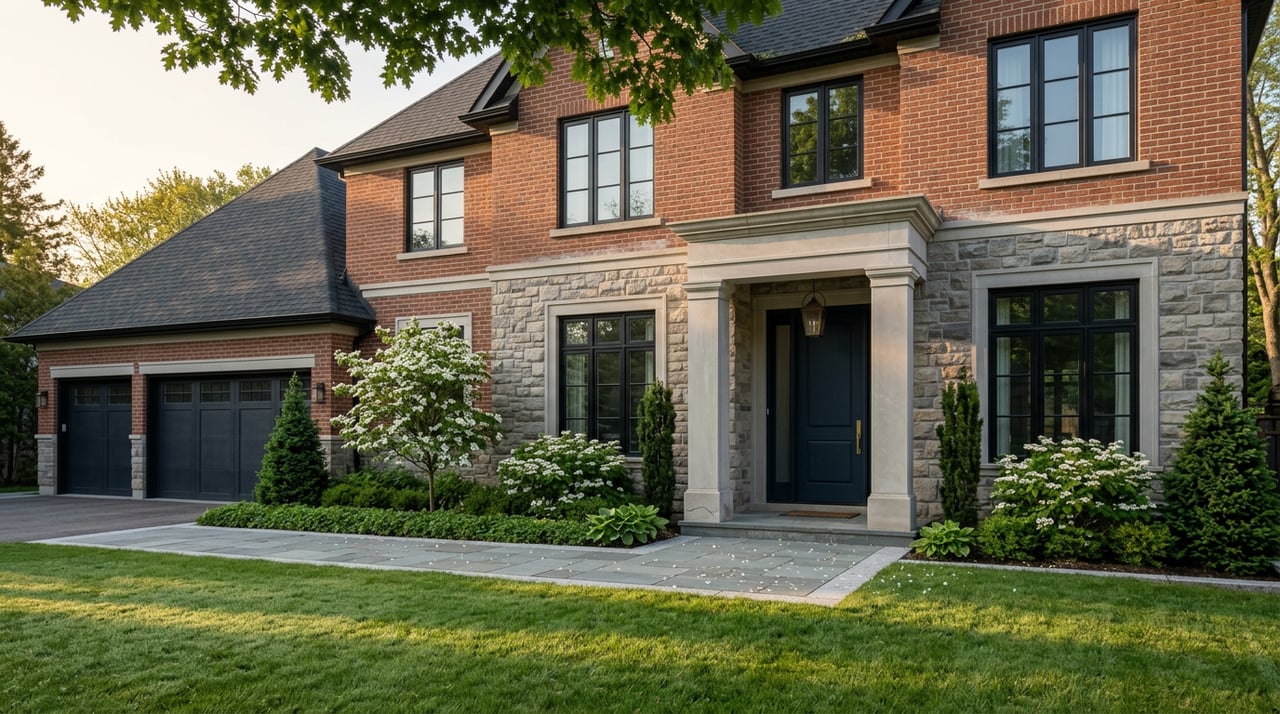
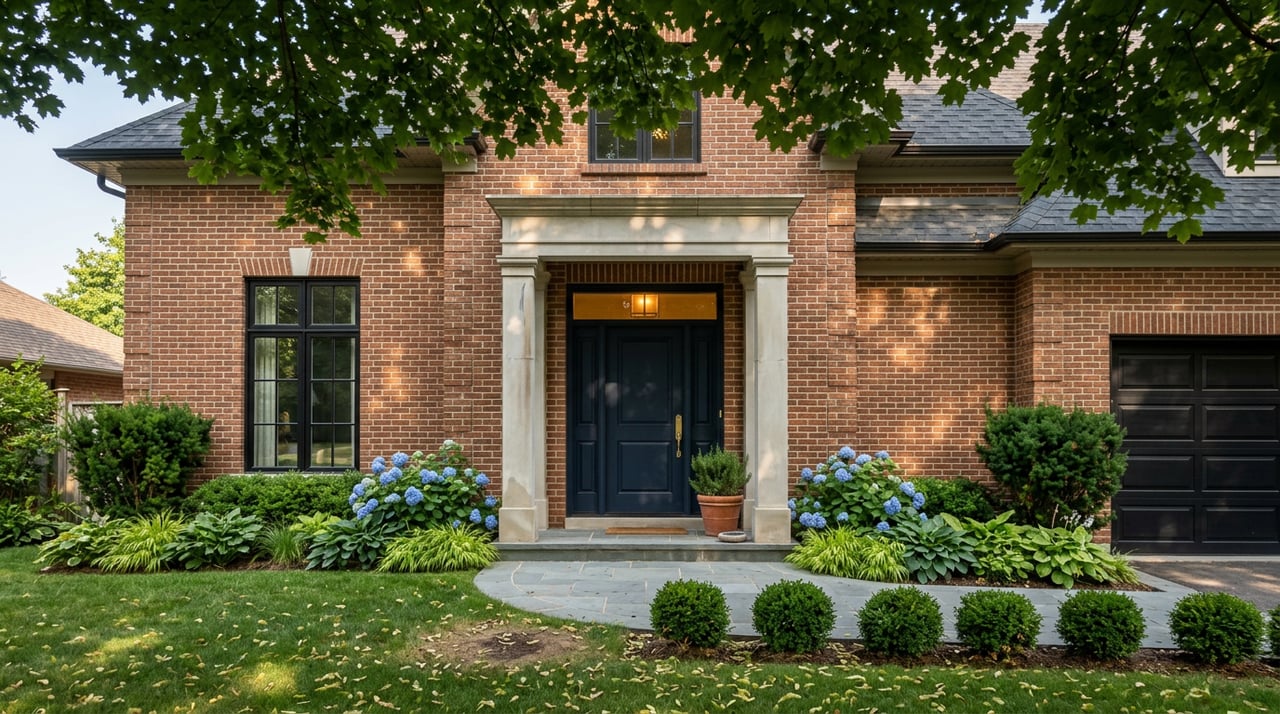
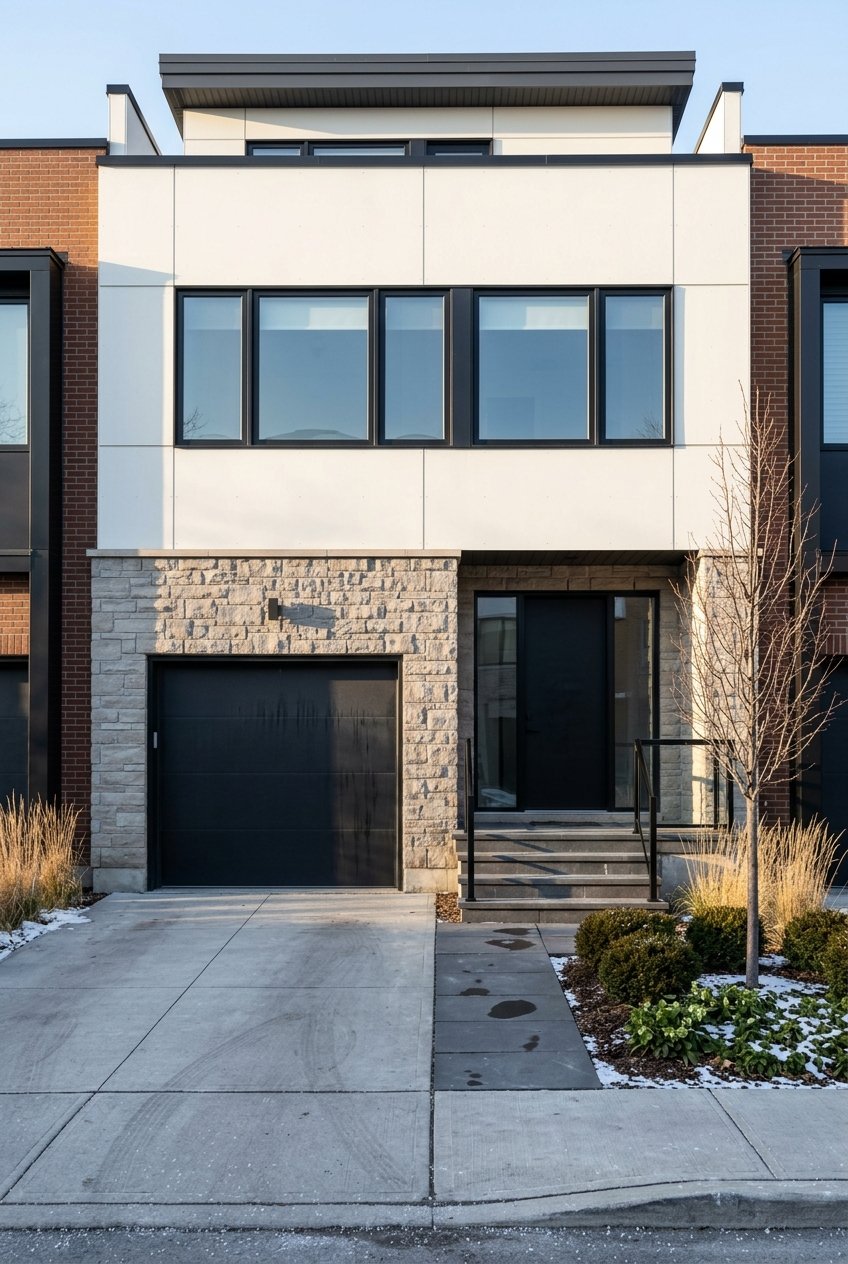
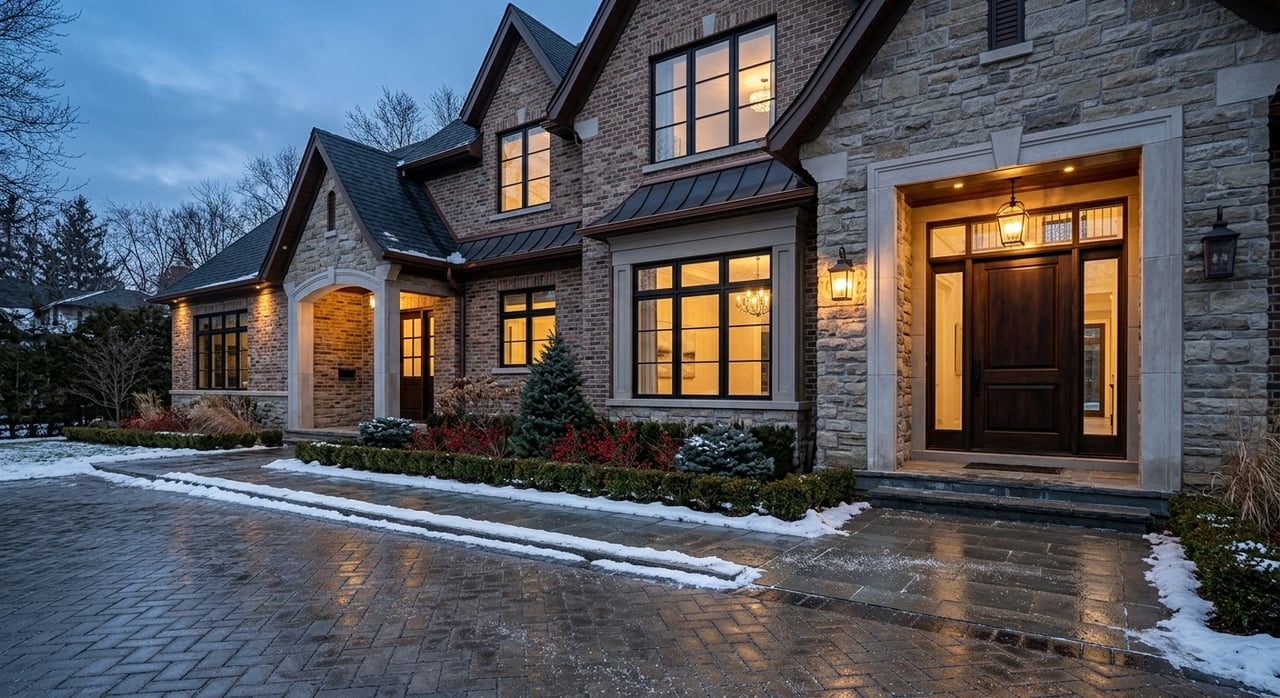
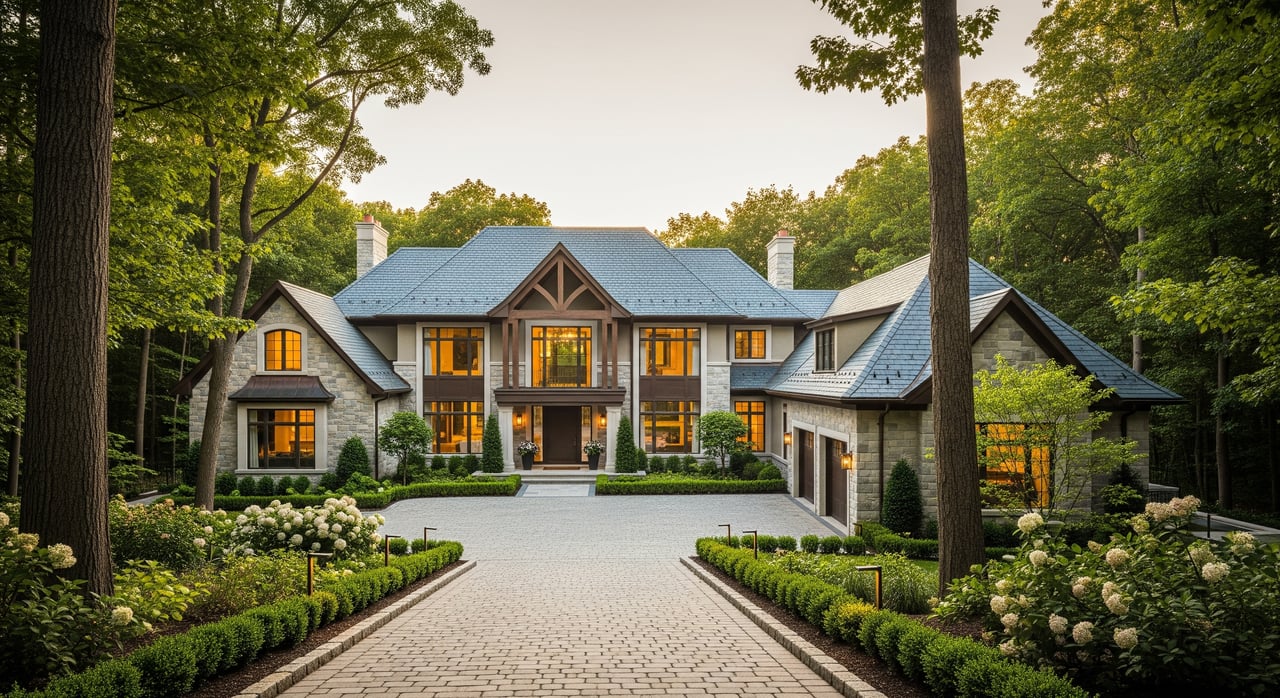
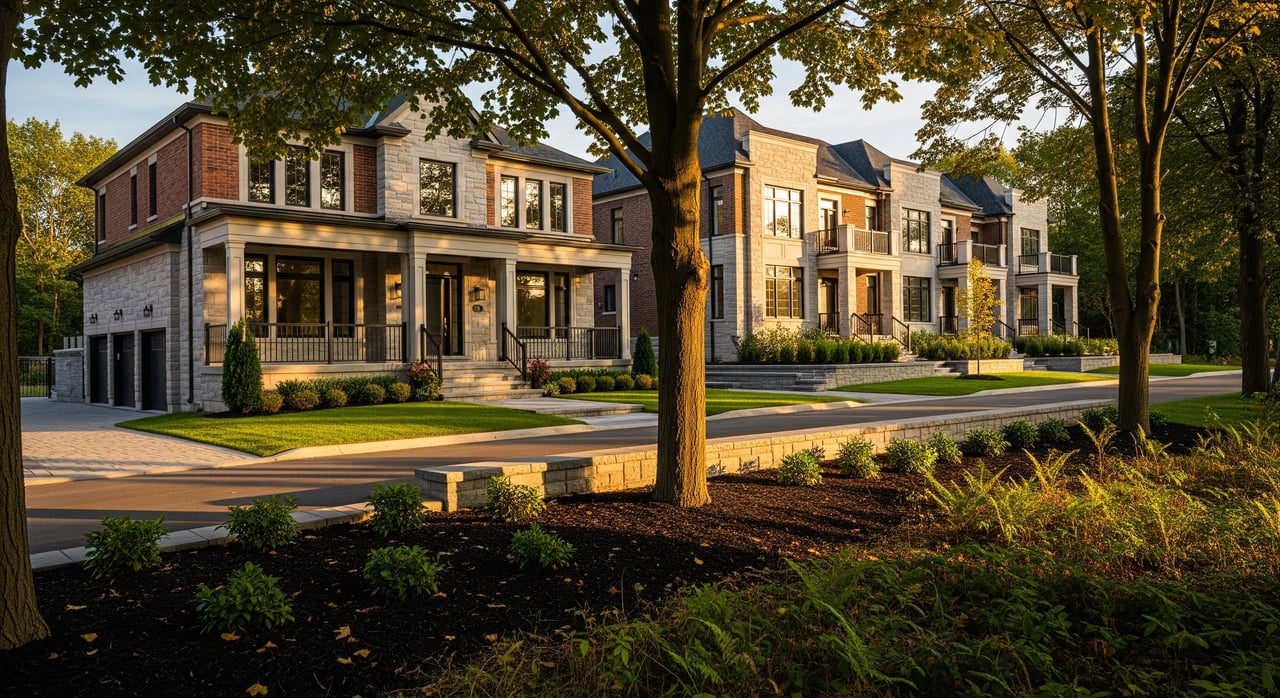
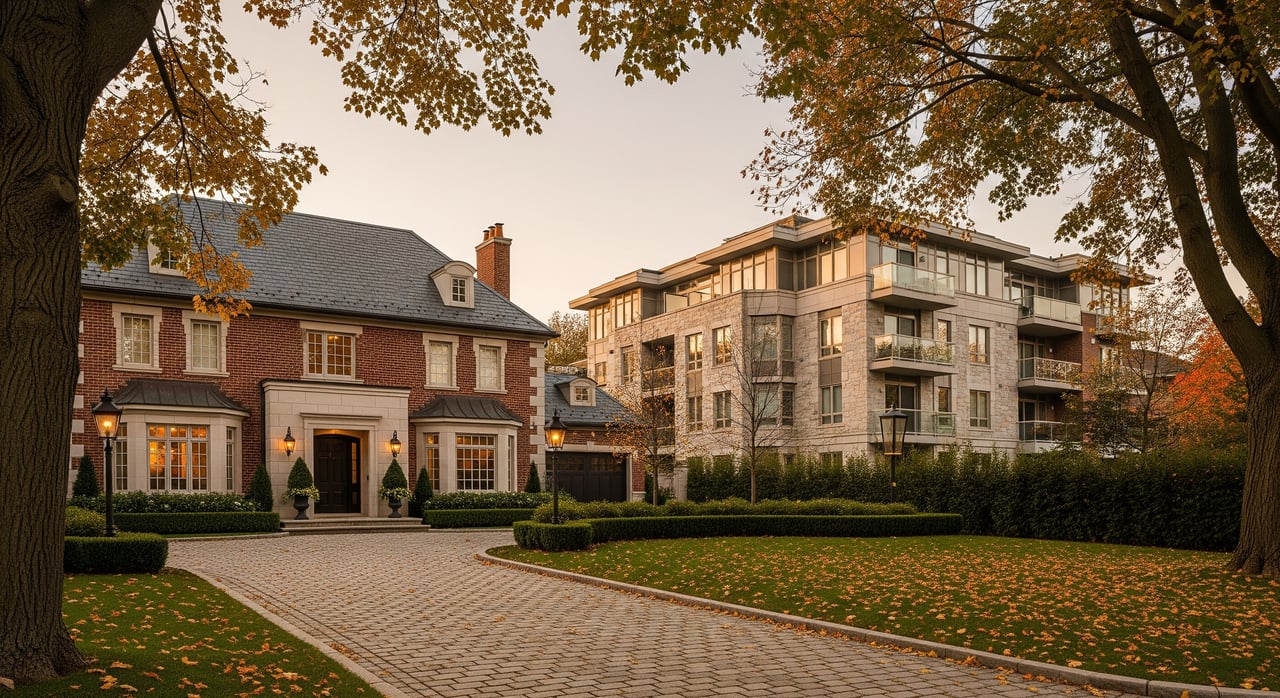
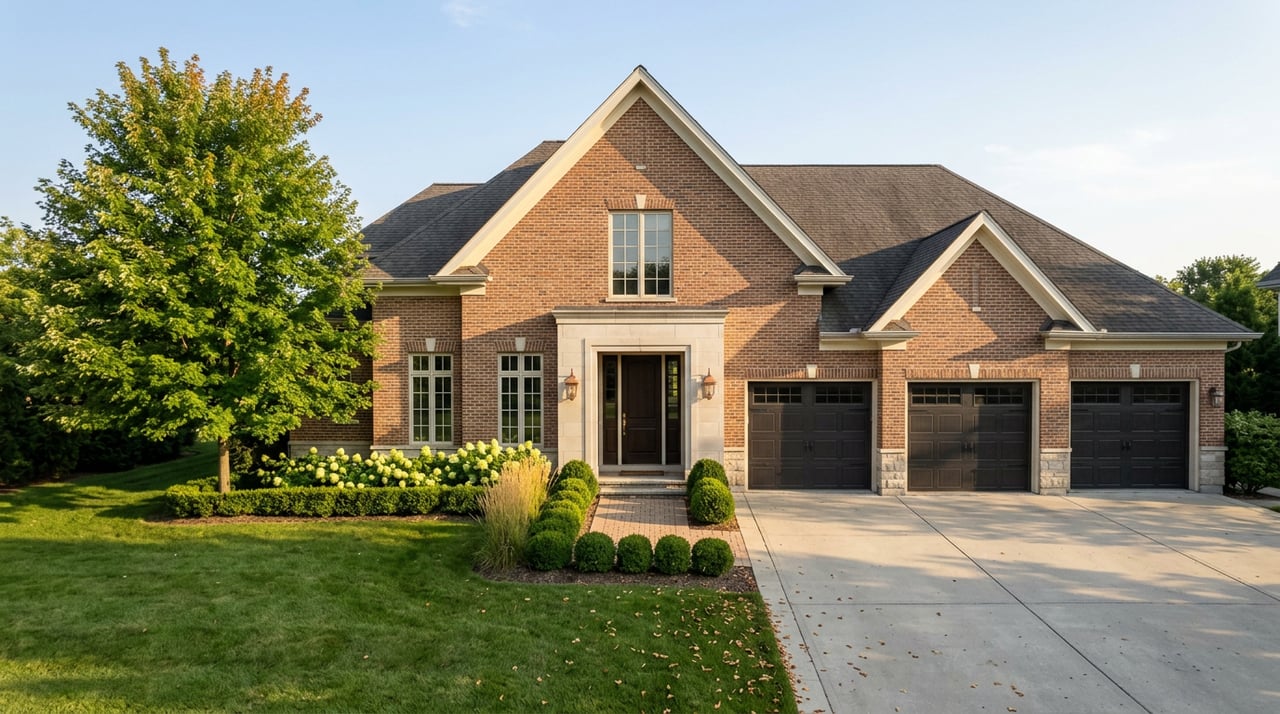
Bayview Hill was developed as a master-planned luxury subdivision in the 1980s. Most of the original housing stock dates to that decade, which means the homes are now more than 40 years old. Lots typically run 70 to 100 feet wide and 100 to 120 feet deep, with three-car garages as the standard, not the upgrade. In the fourth quarter of 2025, every single sale in Bayview Hill, all 15 of them, was a detached home. Zero semis, zero townhouses, zero condos. There has not been an entry-level product in this neighborhood for decades, and the average sale price for that quarter came in at $2,760,187, the highest of any neighborhood in Richmond Hill by a wide margin.
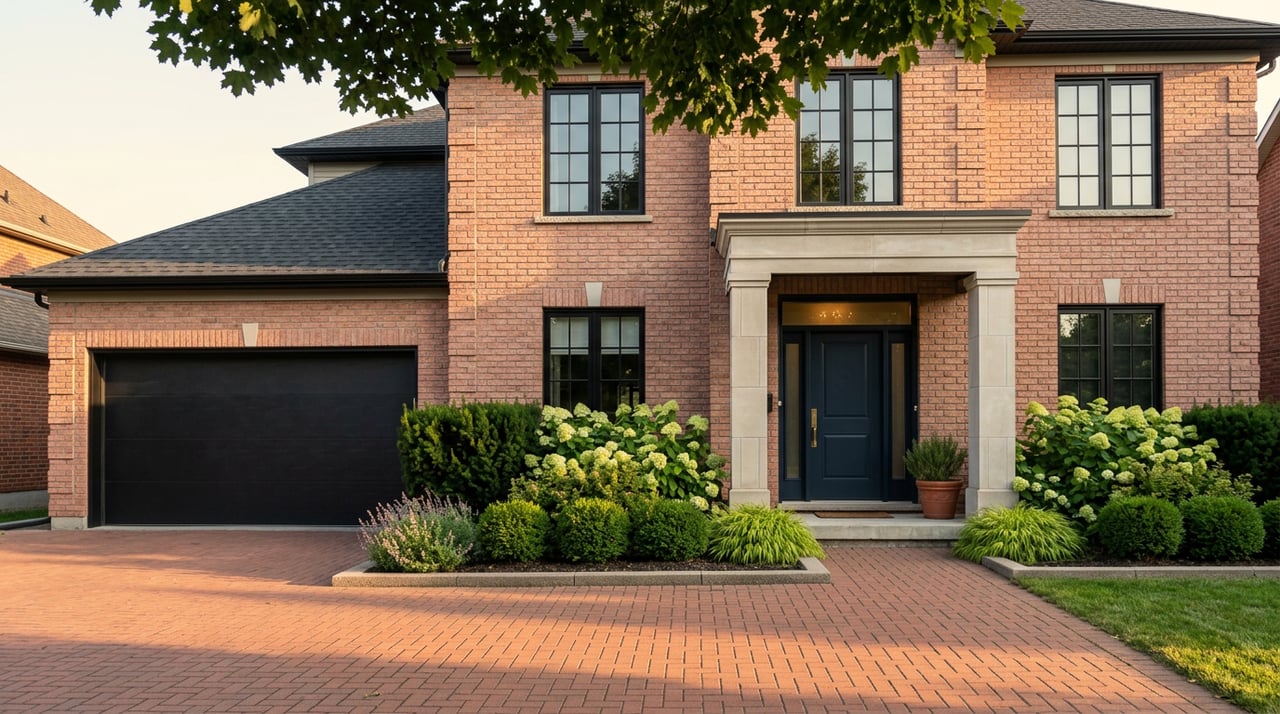
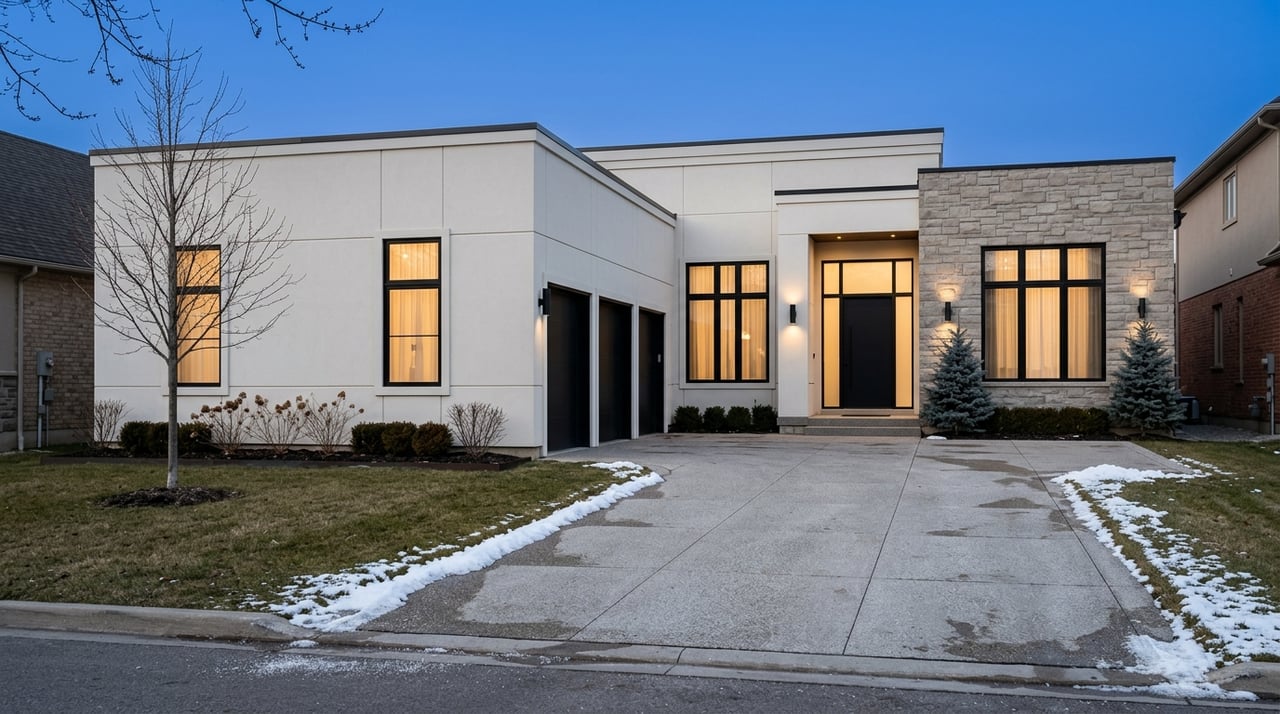
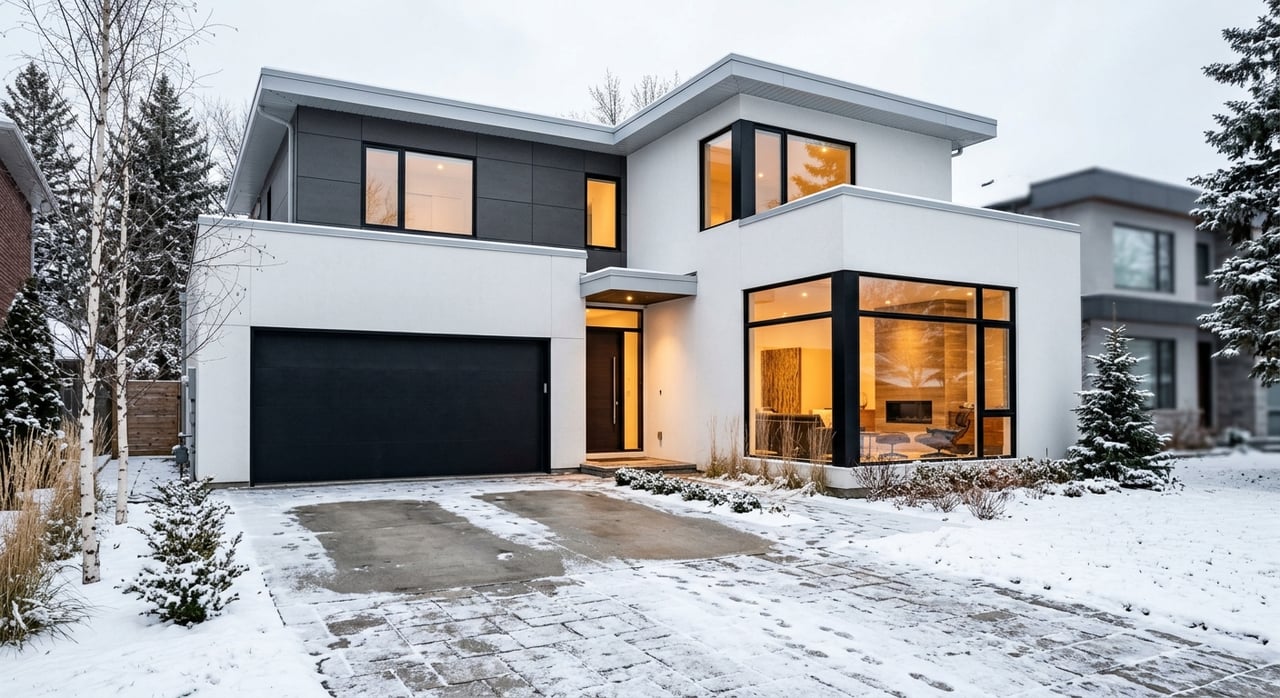
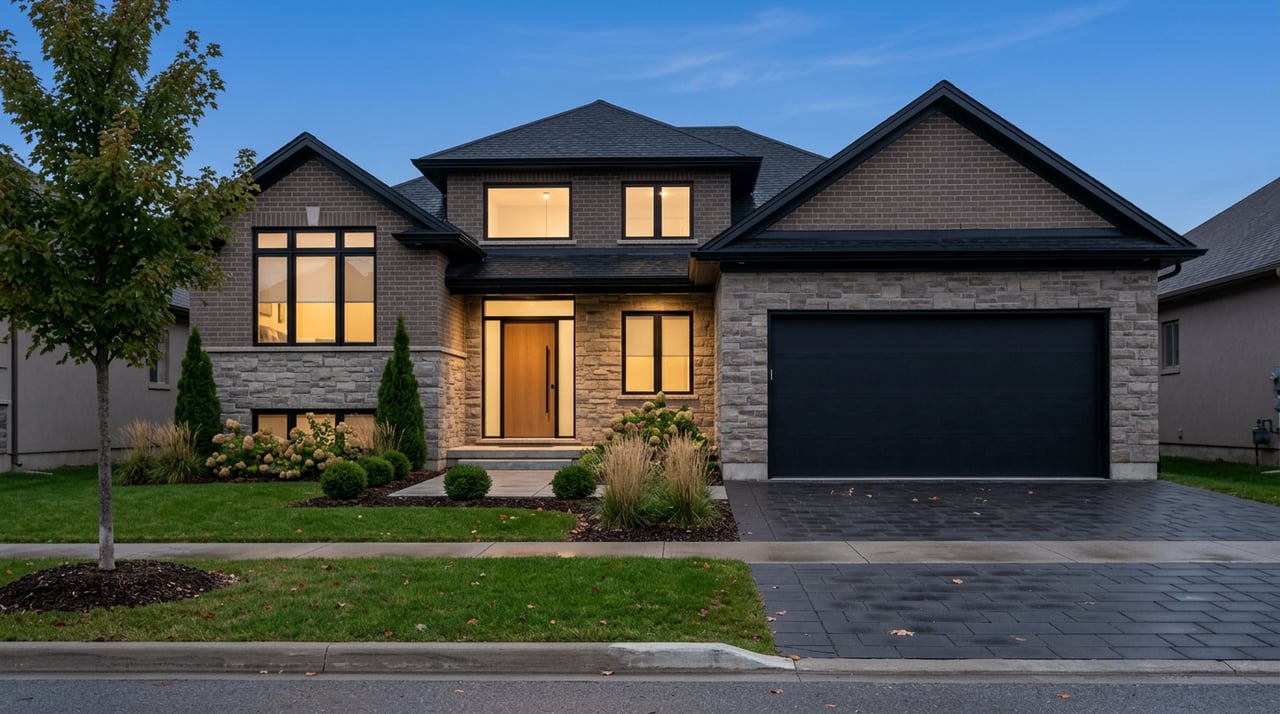
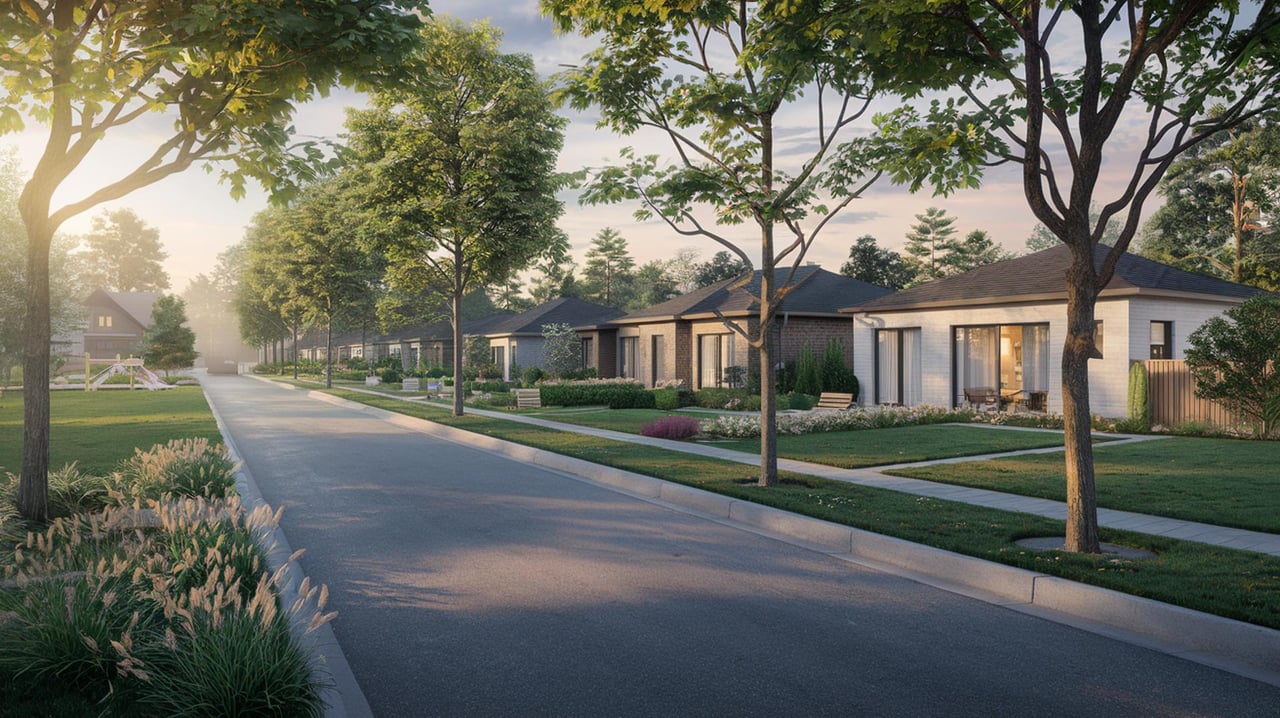
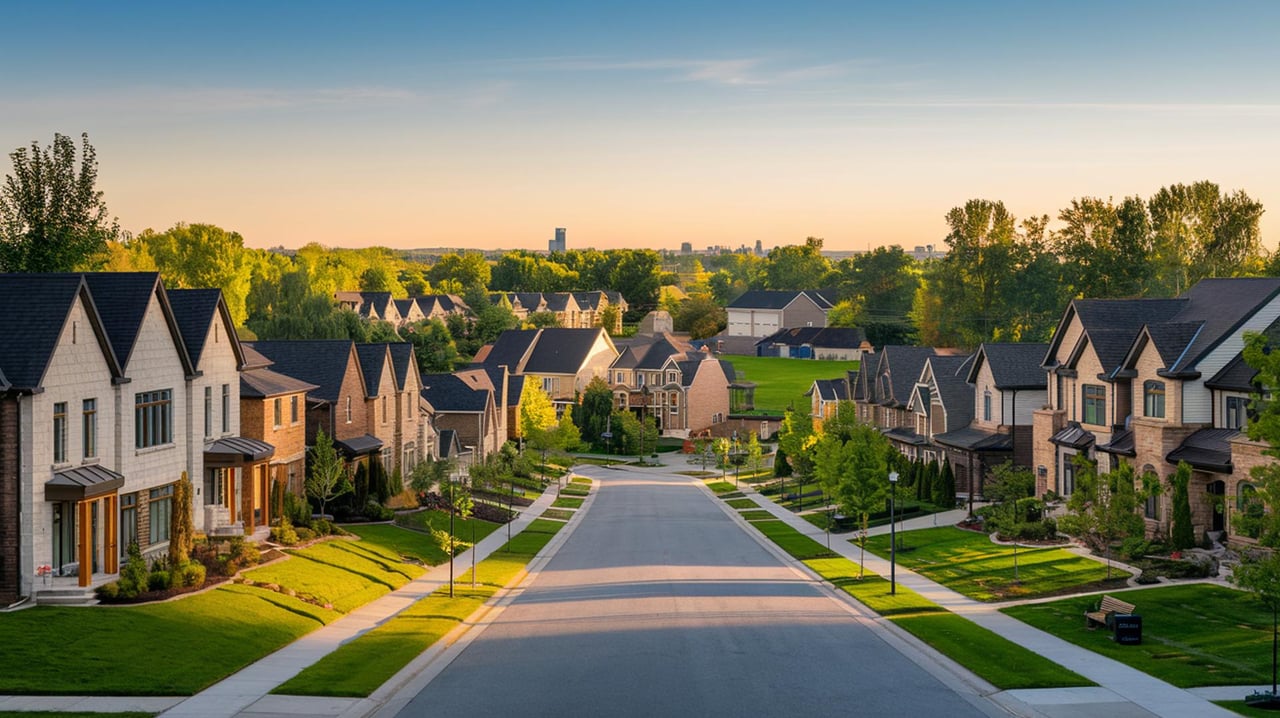
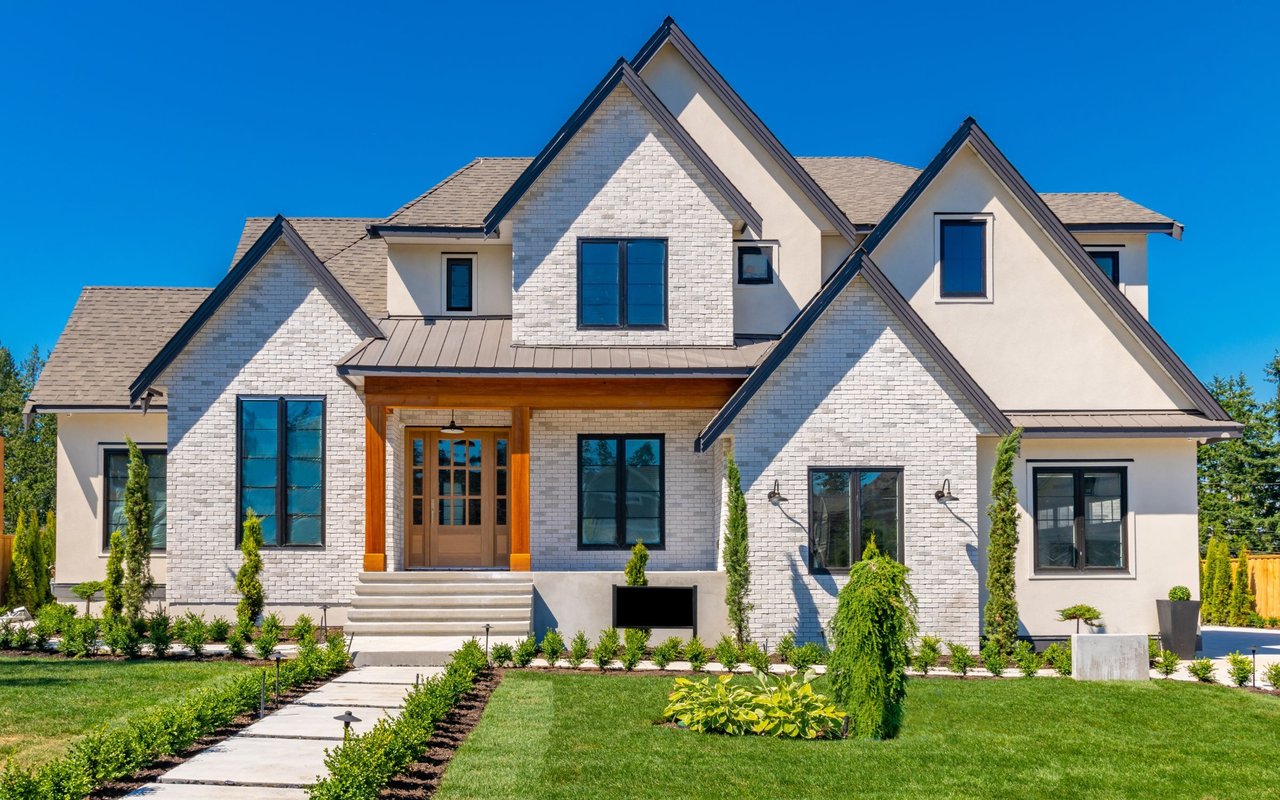
Rouge Woods came later, built out mostly between the late 1990s and early 2000s, on a more typical 40-foot lot with a two-car garage. Its Q4 2025 average landed at $1,371,784, roughly half of Bayview Hill's number for the same quarter.
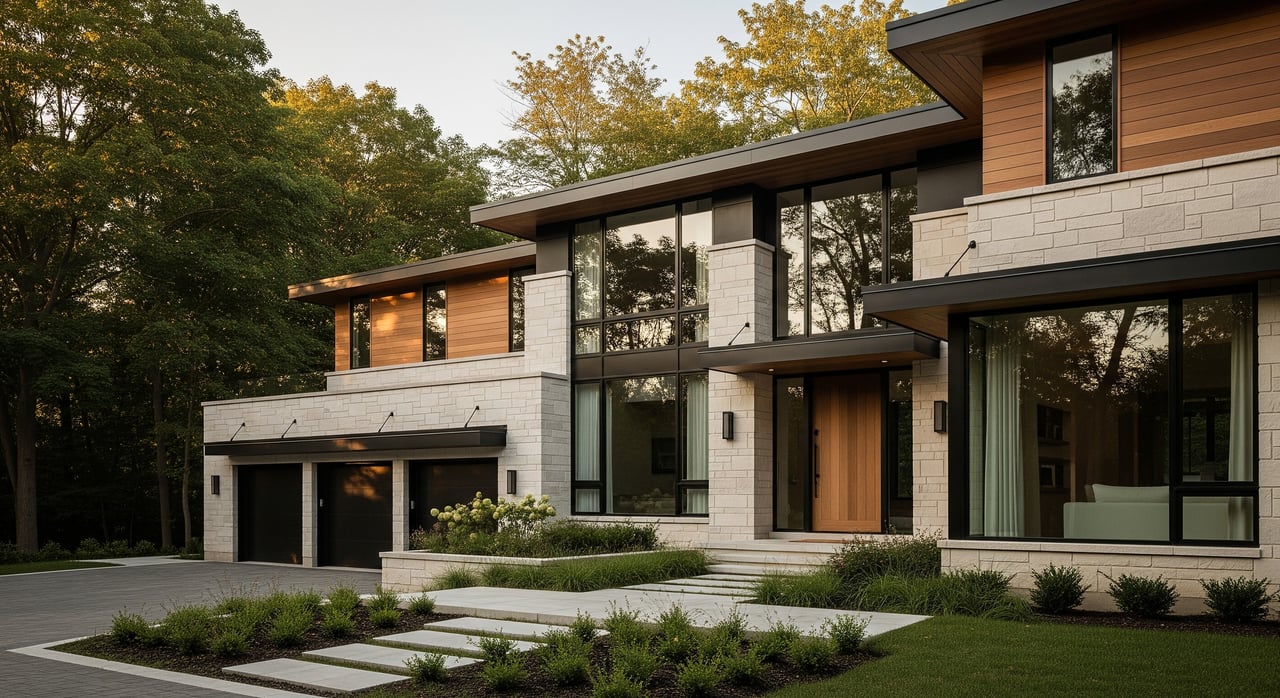
A 70-to-100-foot lot supports a rebuild that a 40-foot lot physically cannot. That difference in buildable square footage, not the school assignment, accounts for most of the gap between the two neighborhoods.
That single distinction, land width and home vintage, does more to explain the price gap than the school catchment does, since the catchment is identical for both.
The Market Has Already Started Pricing This In
Watch how the two neighborhoods moved through 2026 and the pattern gets sharper. The Q4 2025 TRREB community report had Bayview Hill's average at $2.76 million, on those 15 all-detached sales. By February 2026, a TRREB-sourced market report on Richmond Hill's luxury segment (grouping Bayview Hill with South Richvale) put sale-to-list ratios at 93 to 95 percent, with days on market stretching into the 34-to-67-day range and a sales-to-new-listings ratio of just 14 percent for Bayview Hill specifically, a clear sign that buyer leverage had grown. By August 2026, current MLS trend tracking showed the average down further still, to $2,299,125, with median days on market climbing to 50.
Rouge Woods told a different story over the same window. In the fourth quarter of 2025, it was the only neighborhood in Richmond Hill where homes sold above asking. That strength carried into February 2026, when the same TRREB-sourced report showed Rouge Woods matching its full asking price at a 22-day average. By August, current MLS trend tracking had Rouge Woods averaging $1,527,143, with days on market still sitting at 21.
Put those two arcs side by side. Bayview Hill's premium shrank through most of 2026. Rouge Woods, offering the identical high school assignment, held firm and kept selling fast. If the price gap between them were mostly a school-access premium, both would have compressed together. They didn't, which is the clearest evidence that the gap tracks lot size and vintage, not the classroom.
There's a real dollar consequence to that softening for Bayview Hill sellers, too. A 4 percent gap between list and sale price, the kind showing up in the Q4 2025 numbers, works out to roughly $110,000 on a $2.76 million home. That's not a rounding error. That's the negotiating room a well-prepared buyer can expect to find right now in a neighborhood most people assume has none.
Before You Assume The Boundary Holds
A few things worth confirming before writing an offer in either neighborhood:
- Check the specific address against the current school boundary map, not just the subdivision name. Bayview Hill's southern edge can feed Thornlea Secondary instead of Bayview Secondary, and a single street can be the dividing line.
- Remember the elementary feeders differ even where the secondary school matches. Bayview Hill routes to Bayview Hill Public School; Rouge Woods routes to Silverstream. If the elementary program matters as much as the high school does, that distinction changes the comparison.
- Compare like with like on product type. Bayview Hill's 2025 sales were entirely detached homes on large, older lots. Rouge Woods carries a mix of detached and townhouse stock on newer, smaller lots. A fair price comparison has to account for what's actually being sold, not just which neighborhood it's in.
The practical takeaway for anyone chasing "the good school neighborhood" by reputation alone: a meaningful share of what Bayview Hill charges has nothing to do with the classroom. It's paying for a rebuild-capable lot and three-car garage from a different housing era. If the priority is the Bayview Secondary assignment itself, Rouge Woods delivers it for a substantially lower entry price, with the trade being a smaller lot and a newer, more standard build.
A Few Direct Questions
Does living in Rouge Woods guarantee a seat at Bayview Secondary? Only if the specific address falls inside the current boundary. Catchments shift by street in both neighborhoods, so the map should be checked against the exact property before assuming anything, the same caution that applies inside Bayview Hill itself.
If the two neighborhoods share a high school, why is there still such a large price gap? The gap tracks land and vintage. Bayview Hill's 2025 sales were entirely detached homes on 70-to-100-foot lots from the 1980s. Rouge Woods offers a mix of detached and townhouse product on more standard 40-foot lots built roughly two decades later.
Is Rouge Woods still competitive to buy into right now? As of August 2026, yes. The neighborhood's average sat near $1.53 million with homes still moving in about three weeks, a pace it held even as Richmond Hill's broader luxury segment slowed down.
Boundary lines like these rarely show up on a listing sheet, and the gap between what a neighborhood's name promises and what its map actually delivers is exactly where local guidance earns its keep. If you're comparing Richmond Hill neighborhoods against a specific school catchment or trying to understand what a price gap like this one is really paying for, Kevin Lin can walk through the current boundary maps and market data for your target streets. Request a complimentary home valuation to start with a clear, address-specific picture before you make an offer.